
-

1. Apples Are Nutritious A medium apple is equal to 1.5 cups of fruit. Two cups of fruit daily are recommended ..
-
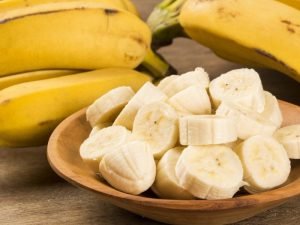
1.Bananas help overcome depression due to high levels of tryptophan, which is converted into serotonin ..
-
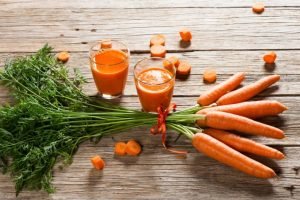
1. Beta carotene: Carrots are a rich source of this powerful antioxidant, which, among other vital uses, ..
-

Tinnitus in the ear can occur due to ear infections, various infections, perforation of the eardrum, ..
-
Comments Off on Pregnancy Calendar – Week 5 of Your Pregnancy

5-week pregnancy “Pregnancy calendar” at week 5: Your baby’s brain is developing. You may feel ..
-
Comments Off on Pregnancy Calendar – Week 4 of Your Pregnancy

4 weeks pregnancy “Pregnancy calendar” at 4th week: A miracle begins! Your baby, now consisting ..
-
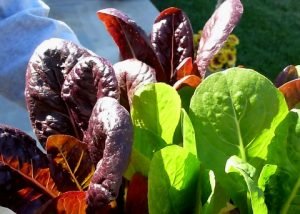
The nutritional benefits of bell peppers for skin and eyes
Bell peppers, called capsicums in much of Australia, are glossy, crunchy vegetables that work raw or cooked. Ripe red and yellow peppers are usually sweeter and more nutrient-rich than green ones, while green capsicums bring a firmer texture and milder flavour to stir-fries. Their colour comes partly from carotenoid pigments, useful plant compounds linked with normal skin and eye function.
The nutritional case for bell peppers centres on vitamin C and carotenoids, including beta-carotene, lutein and zeaxanthin. These nutrients support collagen formation, wound repair, antioxidant processes and the eye’s normal function. Eating peppers can fit a healthy pattern, but no single food prevents wrinkles, cures acne or protects eyes from sun damage. Diet works alongside sun protection, sleep, physical activity and appropriate medical care.
Nutrients that matter for skin and eyes
Australian supermarkets and greengrocers stock red, yellow, green and sometimes orange capsicums throughout the year. Protected cropping in Queensland, Victoria and New South Wales supports local supply, while imports help maintain availability and manage seasonal changes. At farmers’ markets in Sydney, Melbourne and Brisbane, shoppers may also find produce grown nearby, although colour, price and origin can vary by season and grower.
Vitamin C is the standout nutrient. It supports collagen synthesis, immune-cell function and iron absorption, and it acts as an antioxidant in the body. The adult Australian Recommended Dietary Intake for vitamin C is 60 milligrams a day; a 75-gram serve of red pepper commonly provides roughly 90 to 100 milligrams, although exact values depend on variety, ripeness and preparation. A medium pepper can therefore supply more than a full day’s RDI.
Carotenoids add a second layer of nutritional value. Red capsicum provides beta-carotene, which the body can convert to vitamin A, and peppers also contain smaller amounts of lutein and zeaxanthin, pigments that accumulate in the macula. They also supply folate, vitamin B6, potassium, fibre and water. Under Australia’s dietary guidelines, 75 grams counts as one vegetable serve, and adults are generally advised to eat at least two serves of fruit and three serves of vegetables each day.
Packaged-food claims are regulated by Food Standards Australia New Zealand under Standard 1.2.7, so terms such as “high in vitamin C” have defined thresholds. Fresh whole vegetables can be exempt from a mandatory nutrition information panel. That makes it useful to judge peppers by their season, firmness and colour, while remembering that a pepper fits easily within the broader vegetable target rather than needing to deliver an isolated benefit.
Vitamin C, collagen and skin resilience
For skin, vitamin C has a specific biochemical role. It is an essential cofactor for enzymes involved in making collagen, the structural protein that gives skin strength and elasticity. Adequate vitamin C intake supports normal wound healing and tissue repair, so peppers can be especially useful after minor cuts or during periods when the body is healing. The benefit depends on meeting normal needs, rather than taking excessive amounts.
Carotenoids and other antioxidants help cells manage the oxidative stress generated by normal metabolism. Some carotenoids are deposited in skin, where they may provide modest protection against light-driven damage. Bell peppers are also water-rich and relatively low in energy, which can help make meals filling. These qualities support healthy skin indirectly, but they do not “detox” the skin, remove acne or reverse ageing on their own.
UV exposure is a major consideration in Australia. Bright, nutrient-rich produce can complement a sun-safe routine, yet it cannot substitute for topical protection. Cancer Council Australia recommends broad-spectrum, water-resistant SPF 50+ sunscreen, shade, a hat and protective clothing. Sunglasses that filter UV also help reduce UV reaching the eyes. Conditions such as acne, eczema and rosacea have many causes, and anyone with persistent skin symptoms should seek advice from a qualified health professional rather than relying on pepper intake.
Carotenoids and the health of the eyes
The eyes contain vitamin C in their watery fluids, and the lens is exposed to oxidative processes over a lifetime. Getting enough vitamin C supports normal tissue function, but there is no convincing evidence that high-dose vitamin C pills prevent cataracts in otherwise well-nourished adults. Bell peppers are therefore best treated as part of sound nutrition, not as a cure for cataract, glaucoma or macular degeneration.
For the macula, lutein and zeaxanthin are especially relevant because they form macular pigment, which filters high-energy light in the retina. Bell peppers provide some, although dark leafy greens such as spinach and silverbeet, along with eggs, are richer sources. The wider message is variety: red and yellow peppers add vitamin C and colour to a plate that also includes leafy greens and other vegetables. Beta-carotene supports vitamin A status, which is necessary for normal vision.
Peppers do not correct blurred vision, dry eyes or digital eye strain. A routine eye examination remains important, especially for people with diabetes, a family history of glaucoma or symptoms of macular degeneration. Australia’s high UV levels also make eye protection an everyday issue: wrap-around sunglasses with UV filtration, a brimmed hat and shade reduce exposure. Nutrition supports the eye, while glasses, clinical care and sun protection address different needs.
Selecting, storing and preparing bell peppers
Choose peppers that feel heavy for their size, with smooth skin and a firm feel. Ripe red and yellow examples generally contain more vitamin C and taste sweeter; green capsicums are useful when a crisp texture matters. Avoid pieces with extensive wrinkles, soft spots or leaking wounds. Buying loose produce allows inspection, while a reputable greengrocer or supermarket should be able to answer questions about origin and storage.
Prepare close to mealtime for the best texture and vitamin C retention. Raw strips, salads and lightly cooked dishes preserve more of the vitamin, while prolonged simmering and extended storage can reduce it. A short roast or steam is another good option. Because carotenoids are absorbed more readily with a little dietary fat, serving peppers with olive oil, avocado, nuts or seeds can improve their uptake without requiring large amounts.
Wash whole peppers under cool running water just before cutting, and use clean knives and boards. Refrigerate uncut capsicums in the crisper; once cut, place the cut side down in a sealed container and use within several days. Fresh produce sold loose may not carry the same nutrition panel as packaged food, but general food-safety guidance from FSANZ and state health departments still applies. Dry surfaces and prompt refrigeration reduce spoilage.
For most adults, whole food is preferable to high-dose vitamin C supplements. Extra doses have no established benefit for normal skin and have not been shown to prevent eye disease in well-nourished adults, while high doses can cause gastrointestinal symptoms. People with an allergy history, reflux symptoms or kidney disease may need individual advice, since peppers can be irritating for some and contain substantial potassium.
Putting bell peppers into everyday Australian meals
Bell peppers are particularly easy to use in common Australian routines. Sliced red and yellow capsicum adds colour to a school or work lunchbox, chopped pieces suit barbecue skewers, and a quick stir-fry brings vegetables to the dinner table without much preparation. A large pepper can be halved raw, roasted or stuffed, making it useful for snacks, salads and batch meals.
Flavour combinations that broaden the benefits
- Serve roasted capsicum with chickpeas, spinach and a drizzle of olive oil for fibre, plant protein, carotenoids and vitamin E.
- Add red pepper to a bean salad; its vitamin C can help with the absorption of iron from the beans.
- Pair peppers with eggs for a meal that combines their smaller lutein and zeaxanthin content with another rich dietary source.
- Mix yellow capsicum into a salad with spinach, silverbeet and pumpkin for a broader carotenoid mix.
- Blend roasted pepper, tomato and herbs into a sauce, then serve it with whole-grain toast and an egg.
Different colours also make it easier to vary texture and flavour while keeping the same broad nutritional benefits. Red and yellow peppers suit salads and roasting, while green capsicums hold their shape during quick cooking. Combining them with different vegetables also prevents one food from carrying the full nutritional burden.
Simple ways to include bell peppers each day
- Slice a red or yellow pepper into lunchboxes with carrot, cucumber and a protein-rich snack.
- Stir-fry green capsicum with broccoli, tofu and a splash of soy sauce for a fast vegetable serve.
- Roast pepper strips with garlic and herbs, then add them to sandwiches, wraps or grain bowls.
- Stuff a halved capsicum with beans, quinoa or lean mince and bake until tender.
- Keep raw sticks in the fridge for an easy snack alongside nuts or seeds.
Together, these habits pair the peppers’ vitamin C and carotenoids with fibre, protein, healthy fats and other protective plant compounds. That combination is more meaningful for skin and eyes than chasing a single nutrient, while the peppers’ sweetness, crunch and versatility make them practical for everyday Australian meals.
-
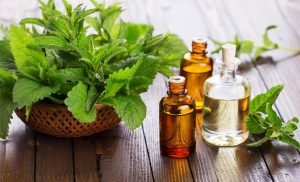
Tea Tree Essential Oil Tea tree oil is often referred to as “medicine cabinet in a bottle,” as it’s ..
-

13 surprising home remedies for acid reflux Before you reach for the heavy-duty, prescription-strength ..
-
Great Burdock The root is used to treat ‘toxic overload’ that result in throat infections and skin ..