
-
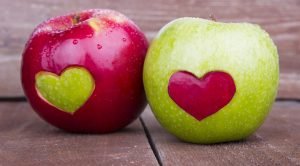
1. Apples Are Nutritious A medium apple is equal to 1.5 cups of fruit. Two cups of fruit daily are recommended ..
-
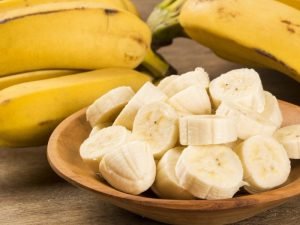
1.Bananas help overcome depression due to high levels of tryptophan, which is converted into serotonin ..
-
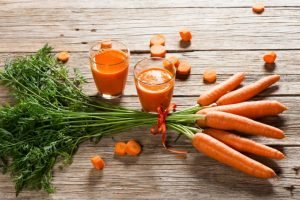
1. Beta carotene: Carrots are a rich source of this powerful antioxidant, which, among other vital uses, ..
-

Tinnitus in the ear can occur due to ear infections, various infections, perforation of the eardrum, ..
-
Comments Off on Pregnancy Calendar – Week 5 of Your Pregnancy

5-week pregnancy “Pregnancy calendar” at week 5: Your baby’s brain is developing. You may feel ..
-
Comments Off on Pregnancy Calendar – Week 4 of Your Pregnancy

4 weeks pregnancy “Pregnancy calendar” at 4th week: A miracle begins! Your baby, now consisting ..
-
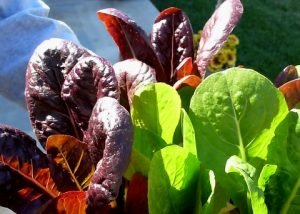
How Beets May Support Healthy Blood Pressure
Beets are earthy, colorful root vegetables that provide several nutrients connected with cardiovascular health. Their naturally occurring nitrates have attracted particular attention because the body can convert them into nitric oxide, a compound that helps blood vessels relax and widen. This process may support smoother blood flow and healthier blood pressure readings.
The nutritional benefits of eating beets for blood pressure extend beyond nitrates. Whole beets also contain potassium, folate, fiber, antioxidants, and water. These nutrients work as part of an overall balanced eating pattern rather than acting like a replacement for prescribed treatment.
Research on beetroot juice and blood pressure has produced encouraging findings, especially for people with elevated readings. However, results vary according to the amount consumed, a person’s usual diet, health conditions, and medications. Beets are best viewed as one useful food within a broader heart-friendly lifestyle.
Why beets are linked with circulation
Beets are naturally rich in dietary nitrates. After eating them, helpful bacteria in the mouth begin converting nitrate into nitrite. The digestive system can then help transform nitrite into nitric oxide, which signals the smooth muscles around blood vessels to relax.
When blood vessels relax, they may allow blood to move with less resistance. This can temporarily lower systolic blood pressure, the upper number in a reading. Some studies have found a modest reduction after beetroot juice or nitrate-rich meals, although the effect is not identical for everyone.
The nitrate pathway may be affected by mouthwash, antibiotics, oral health, and a person’s individual metabolism. Excessive use of antibacterial mouthwash, for example, may reduce the oral bacteria involved in nitrate conversion. This does not mean people should avoid mouthwash when it is needed, but it helps explain why study results can differ.
Nutrients that support heart health
A cup of sliced cooked beets supplies potassium, a mineral that helps balance sodium levels and supports normal muscle and nerve function. Adequate potassium intake is associated with better blood pressure control for many adults, particularly when it comes from vegetables, fruits, beans, and other whole foods.
Beets also provide folate, which contributes to normal cell production and the metabolism of homocysteine. Elevated homocysteine has been studied in relation to cardiovascular risk, although eating beets should not be presented as a direct treatment for that marker. Their value comes from contributing to a nutrient-dense diet.
Whole beets contain fiber as well. Fiber supports digestive health, helps increase fullness, and can contribute to healthier cholesterol and blood glucose patterns. Stable blood sugar and healthy cholesterol levels matter because high blood pressure often appears alongside other metabolic risk factors.
The red-purple pigments in many beets are called betalains. These plant compounds have antioxidant and anti-inflammatory properties in laboratory research. Human evidence is still developing, but regularly eating colorful vegetables is a practical way to increase the range of protective plant compounds in the diet.
How different beet options compare
Fresh or cooked beets provide the complete food structure, including fiber and a slower eating experience. Roasting can intensify their sweetness, while steaming or boiling may produce a softer texture. Adding them to salads, grain bowls, soups, or bean dishes makes it easier to eat them as part of a balanced meal.
Beetroot juice is more concentrated and may deliver a larger nitrate amount in a smaller serving. It usually contains less fiber than a whole beet and can provide natural sugars without the same chewing and fullness benefits. Some commercial juices also contain added sugar or significant sodium, so checking the label is worthwhile.
Beet powder may be convenient, but its nitrate content can vary between products. A supplement is not automatically more effective than food, and claims about standardized doses should be assessed carefully. People who take blood pressure medicine should speak with a healthcare professional before using concentrated beet products regularly.
Beet option Potential advantage Points to consider Whole cooked beets Provides nitrates, fiber, potassium, folate, and plant pigments Requires preparation and may taste earthy or sweet Raw beets Retains fiber and works well grated into salads Can be firm, messy to prepare, and harder to digest for some people Beetroot juice Convenient and concentrated in natural nitrate Usually has less fiber; portions may contain considerable sugar Beet powder Easy to add to smoothies or water Nitrate levels vary, and some products include sweeteners Beet greens Supply fiber, potassium, folate, and other leafy-green nutrients May be high in vitamin K and potassium, which matters for some medical conditions Practical ways to add beets to meals
A moderate serving of roasted beets can complement foods commonly found in a blood-pressure-friendly diet. Try combining them with leafy greens, chickpeas, unsalted nuts, plain yogurt, or a small amount of olive oil. This adds protein, healthy fats, and fiber, helping create a more satisfying meal than beets alone.
Grated raw beets can add color to a slaw with cabbage, carrots, and a vinegar-based dressing. Cooked beets can be blended into hummus, stirred into a lentil salad, or added to a vegetable soup. Their natural sweetness pairs well with citrus, herbs, garlic, and tangy dairy.
If using juice, choose an unsweetened product and treat it as a small part of the diet rather than a daily health requirement. Drinking it with a meal may be more comfortable for people who experience stomach upset from concentrated juice. Whole beets remain a strong everyday choice because they provide more fiber.
The timing of beet consumption may matter in research settings, where blood pressure changes are sometimes measured a few hours after nitrate intake. In everyday life, consistent vegetable intake is more important than trying to achieve a specific short-term effect.
Safety considerations and possible side effects
Beets can turn urine or stools pink, red, or reddish-brown. This harmless effect, known as beeturia, may be surprising but is usually caused by beet pigments. However, blood in the urine or stool should not automatically be attributed to beets, especially if the color persists or appears with pain, weakness, dizziness, or other symptoms.
People with kidney disease may need to manage potassium intake carefully. Beets and beet greens also contain oxalates, which can be relevant for individuals who form certain types of kidney stones. A clinician or registered dietitian can offer personalized guidance instead of assuming that every vegetable is appropriate in unlimited amounts.
Beet juice or powder may lower blood pressure when combined with prescribed antihypertensive medicine. This does not mean the combination is unsafe for everyone, but it does make monitoring important. Never stop or reduce blood pressure medication without medical advice.
Beet greens are highly nutritious, yet they contain more vitamin K than the root. People taking warfarin or another medication affected by vitamin K should keep their intake consistent and discuss major dietary changes with their healthcare professional. This is a reason for planning, not necessarily for avoiding leafy greens.
Building a blood-pressure-friendly eating pattern
Beets are most useful when they replace less nutritious foods. Adding beetroot juice to a diet high in processed meats, salty snacks, refined carbohydrates, and sugary drinks is unlikely to provide the same benefit as building meals around vegetables, legumes, whole grains, fish, nuts, and unsalted seeds.
A dietary pattern similar to the DASH approach emphasizes vegetables and fruits, beans, whole grains, low-fat dairy, fish, poultry, and moderate portions of nuts and seeds. It also limits excess sodium, processed foods, and sugary beverages. Beets fit naturally into this style of eating, but they are one ingredient among many.
Sodium reduction remains important because excess sodium can encourage the body to retain fluid and may raise blood pressure in salt-sensitive people. Pairing beets with salty cheese, cured meat, or bottled sauces can increase the sodium content of an otherwise healthy dish. Use herbs, lemon, vinegar, garlic, and spices to build flavor instead.
Regular movement, sufficient sleep, moderation with alcohol, stress management, and avoiding tobacco also support cardiovascular health. Home blood pressure readings can help show patterns, but measurements should be taken consistently with a validated monitor and discussed with a healthcare professional when they are repeatedly high.
Smart habits for including beets
- Choose whole or minimally processed beets most often so you receive fiber along with nitrate and potassium.
- Add a serving to salads, soups, grain bowls, or bean-based meals two or three times a week.
- Select unsweetened beet juice and check the serving size, sodium, and added-sugar information.
- Keep beet intake consistent if you use warfarin, and ask your healthcare professional about beet greens.
- Seek individualized advice if you have kidney disease, recurrent kidney stones, low blood pressure, or take blood pressure medicine.
Beets can make a practical contribution to cardiovascular nutrition through their nitrates, potassium, folate, fiber, and colorful plant compounds. Their effects are generally modest and work best alongside a balanced diet and appropriate medical care. Explore more evidence-informed nutrition and wellness guidance from Healthy Life Live to support everyday healthy choices.
-
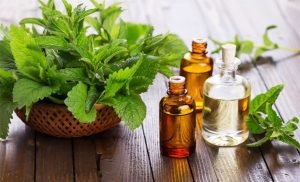
Tea Tree Essential Oil Tea tree oil is often referred to as “medicine cabinet in a bottle,” as it’s ..
-

13 surprising home remedies for acid reflux Before you reach for the heavy-duty, prescription-strength ..
-
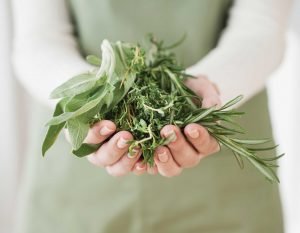
Great Burdock The root is used to treat ‘toxic overload’ that result in throat infections and skin ..