
-

1. Apples Are Nutritious A medium apple is equal to 1.5 cups of fruit. Two cups of fruit daily are recommended ..
-
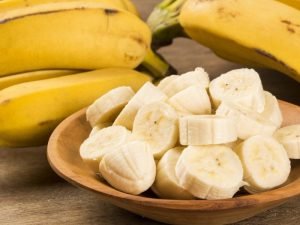
1.Bananas help overcome depression due to high levels of tryptophan, which is converted into serotonin ..
-
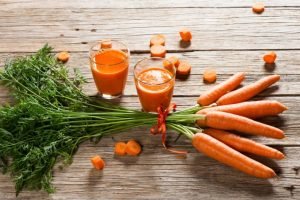
1. Beta carotene: Carrots are a rich source of this powerful antioxidant, which, among other vital uses, ..
-

Tinnitus in the ear can occur due to ear infections, various infections, perforation of the eardrum, ..
-
Comments Off on Pregnancy Calendar – Week 5 of Your Pregnancy

5-week pregnancy “Pregnancy calendar” at week 5: Your baby’s brain is developing. You may feel ..
-
Comments Off on Pregnancy Calendar – Week 4 of Your Pregnancy

4 weeks pregnancy “Pregnancy calendar” at 4th week: A miracle begins! Your baby, now consisting ..
-

Comparing white rice, brown rice, and quinoa
For generations, rice has been the quiet workhorse of the Australian dinner table, scooped next to a snag at a Sunday barbie or piled beside a curry from the local takeaway. Quinoa, by contrast, arrived later, often tucked into a hipster café bowl in Fitzroy or Byron Bay before sliding into school lunch boxes in suburban Brisbane. Yet most shoppers still reach for the cheapest bag on the shelf without wondering what was removed during milling.
The differences between white rice, brown rice, and quinoa go far beyond colour. Carbohydrate quality, fibre content, protein structure, micronutrient density, and even glycemic response shift considerably between them. Knowing how each grain behaves in the body helps Australians choose the option that matches their health goals, cooking style, and weekly grocery budget.
How white rice is made and why it matters
White rice starts life as the whole grain you see on a stalk in a Riverina paddy. Once harvested, the outer hull is removed along with the bran layer and the germ, leaving only the starchy endosperm. What remains is mostly carbohydrate, with traces of B-group vitamins if the manufacturer has enriched the product back up after milling.
The process strips roughly 80 to 90 percent of the original magnesium, manganese, and essential fatty acids that were stored in the germ. Phytic acid also drops, which actually improves iron and zinc absorption in the short term, but the trade-off is a food that digests faster and feels less filling. On Australian supermarket shelves, varieties grown by SunRice and several smaller millers are the most common forms found in the rice aisle.
Because the endosperm is soft and the grains absorb liquid readily, white rice cooks predictably in a rice cooker and fluffs up well for fried rice, sushi rolls, or a quick side for grilled fish. That convenience, paired with the lower price per kilo at Coles and Woolworths, keeps it the dominant choice across most Australian households.
Where brown rice stands nutritionally
Brown rice keeps everything white rice throws away. The bran layer still hugs each kernel, carrying manganese, selenium, magnesium, and thiamine along with a meaningful dose of fibre, roughly 1.8 grams per cooked half-cup. The germ contributes healthy fats, vitamin E, and small amounts of plant protein.
This extra layer changes how the grain behaves in the kitchen. Brown rice needs close to twice as much liquid and around 40 to 50 minutes of gentle simmering, which is one reason busy weeknight cooks in Sydney and Melbourne often skip it for quicker white varieties. Pre-cooked brown rice pouches sold at Harris Farm have partly closed that convenience gap in recent years.
The fibre slows digestion, giving brown rice a lower glycemic index than its polished cousin. For Australians managing type 2 diabetes, insulin resistance, or simply trying to keep afternoon energy steady through a long shift, that slower burn is often worth the extra cooking time. The nutty flavour also pairs well with roasted vegetables and Asian-style stir-fries, which fits neatly with how multicultural menus have shaped local eating habits.
Quinoa is not really a grain at all
Quinoa is technically a chenopod seed, related to beetroot and spinach rather than to true cereal grasses. That botanical quirk explains its surprisingly complete amino acid profile, including lysine, an amino acid that rice and wheat both lack in meaningful amounts. A cooked cup delivers around 8 grams of protein, more than white or brown rice, along with iron, magnesium, and folate.
Once dismissed as an Andean curiosity, quinoa became a fixture of Australian café menus in the early 2010s, then quietly migrated into home kitchens through lunch box recipes and bulk-bin sections at independent grocers. Black, red, and tri-colour blends now appear in the health food aisle of most major supermarkets, alongside certified gluten-free labels for anyone navigating coeliac disease or non-coeliac gluten sensitivity.
Quinoa also contains saponins, natural compounds that can taste bitter if the grains are not rinsed before cooking. That bitter edge is mild once the seeds are thoroughly washed, and the finished texture is light and slightly crunchy. It suits cold salads dressed with lemon and olive oil, warm bowls topped with roast pumpkin, or a pilaf-style side for a slow-cooked lamb shoulder on a chilly Adelaide evening.
Glycemic index, blood sugar, and Australian eating habits
Glycemic index, or GI, ranks foods by how quickly they raise blood glucose after eating. White rice lands high on that scale, with most varieties measuring between 70 and 80, depending on the grain length and how long it was cooked. Brown rice typically falls in the mid-range, while quinoa sits low, often between 35 and 53, depending on whether the seed is white, red, or black.
These numbers matter because Australians are increasingly aware of how blood sugar swings affect mood, hunger, and long-term metabolic health. The Australian Bureau of Statistics has tracked a steady rise in self-reported type 2 diabetes over the past two decades, and public health campaigns through Diabetes Australia have leaned heavily on everyday swaps like brown basmati for short-grain white rice or quinoa in place of couscous.
Pairing any of these grains with protein, healthy fats, and fibre-rich vegetables lowers the overall glycemic load of a meal. A bowl of white rice with grilled salmon, avocado, and a side of greens behaves very differently in the body than a plate of dry white rice served on its own. The grain itself is only one piece of the larger picture, and food combinations often matter more than chasing a single perfect carb.
Cost, availability, and sustainability on the Aussie market
Price often decides what ends up in the trolley, and the gap between these three options is wider than many shoppers realise. A 1 kilogram bag of plain white rice at Woolworths typically costs a fraction of an equivalent bag of quinoa, with brown rice sitting somewhere in between. Organic or fair-trade certified quinoa pushes the price higher again, which is one reason families on tight budgets sometimes rotate it in as a special-ingredient rather than a daily staple.
Sourcing tells another story. Most white rice sold in Australia is grown domestically in the Riverina and northern New South Wales, which keeps supply chains short and prices stable. Brown rice is partly imported and partly milled locally, while the bulk of quinoa still travels from South America, with Bolivia and Peru leading production. Periodic shipping disruptions and currency swings have pushed quinoa prices up over the last few years, a reality reflected on shelf tags at Harris Farm and independent bulk stores.
For shoppers weighing sustainability, brown rice scores reasonably well because the whole grain requires less processing. Quinoa is drought-tolerant and grows at high altitude, but the long journey from farm to Sydney or Perth produces a heavier carbon footprint per kilo than a locally grown grain. White rice falls in the middle, with carbon costs tied mainly to paddock management and milling energy.
Choosing the right grain for your kitchen
With three solid options on the shelf, the smartest pick depends on what the week looks like, who is at the table, and what the body needs from food right now. A few practical habits and gentle swaps tend to work better than a hard rule.
- Mix brown and white rice in the rice cooker when transitioning, easing into the chewier texture over several weeks rather than switching all at once.
- Treat quinoa as a protein partner by combining it with eggs, legumes, or grilled chicken, which raises overall protein without much extra effort.
- Use white rice for dishes where its neutral texture matters, such as sushi, rice paper rolls, or a chicken congee when someone in the household is under the weather.
- Rinse quinoa thoroughly under cold water to wash away residual saponins, which can leave a soapy edge if skipped.
- Shop the bulk bins at independent grocers in Brunswick or Newtown to try small amounts of red, black, and tri-colour blends before committing to a full bag.
- Pair any of the three with vegetables, protein, and healthy fats to lower the glycemic load of the whole meal.
- Store brown rice and quinoa in airtight containers in a cool, dark cupboard to keep their natural oils from going rancid over a month or two.
Rotating different starch sources across the week, including rice, quinoa, oats, and lentils, keeps nutrient intake broad and flavour interesting. Many Australian dietitians now recommend that approach over picking a single "best" grain. To read more on how everyday food swaps fit into a balanced diet, Healthy Life Live covers a wide range of nutrition topics worth bookmarking.
-

Tea Tree Essential Oil Tea tree oil is often referred to as “medicine cabinet in a bottle,” as it’s ..
-

13 surprising home remedies for acid reflux Before you reach for the heavy-duty, prescription-strength ..
-
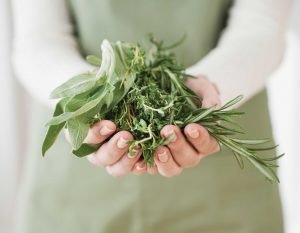
Great Burdock The root is used to treat ‘toxic overload’ that result in throat infections and skin ..