
-

1. Apples Are Nutritious A medium apple is equal to 1.5 cups of fruit. Two cups of fruit daily are recommended ..
-

1.Bananas help overcome depression due to high levels of tryptophan, which is converted into serotonin ..
-

1. Beta carotene: Carrots are a rich source of this powerful antioxidant, which, among other vital uses, ..
-

Tinnitus in the ear can occur due to ear infections, various infections, perforation of the eardrum, ..
-
Comments Off on Pregnancy Calendar – Week 5 of Your Pregnancy

5-week pregnancy “Pregnancy calendar” at week 5: Your baby’s brain is developing. You may feel ..
-
Comments Off on Pregnancy Calendar – Week 4 of Your Pregnancy

4 weeks pregnancy “Pregnancy calendar” at 4th week: A miracle begins! Your baby, now consisting ..
-

Leafy Greens That Deserve a Place Beyond Spinach and Kale
The nutritional power of leafy greens beyond spinach and kale is easy to overlook. Supermarket shelves and smoothie recipes often focus on the same two familiar vegetables, yet a much wider range of edible leaves can add vitamins, minerals, fiber, plant compounds, and variety to everyday meals.
Collards, Swiss chard, mustard greens, watercress, arugula, bok choy, beet greens, turnip greens, romaine, and purslane each have a different taste and nutrient profile. Some are rich in calcium, while others contribute vitamin C, folate, potassium, or protective carotenoids. Exploring these options can make healthy eating more enjoyable rather than repetitive.
Leafy vegetables are also practical. They can be eaten raw, lightly cooked, blended into sauces, added to soups, or used as a filling for wraps. The best choice depends on your dietary needs, cooking habits, budget, and tolerance for bitterness.
Why a wider variety of greens matters
Dark green vegetables are valued for their concentration of micronutrients relative to their calorie content. Their fiber supports regular digestion and helps meals feel satisfying, while their water content contributes to hydration. Many varieties also provide carotenoids such as lutein and beta-carotene, which are involved in normal eye and immune function.
Eating different greens helps broaden the range of plant compounds in the diet. Arugula contains peppery glucosinolates, watercress supplies vitamin C and aromatic compounds, and purslane is notable for its omega-3 fatty acid content among plant foods. These nutrients do not make one vegetable a cure-all, but they can contribute to an overall dietary pattern associated with better health.
Variety can also improve adherence to healthy eating. A person who dislikes the texture of cooked spinach may enjoy crisp romaine, tender bok choy, or tangy mustard greens. Changing the flavor and preparation style makes it easier to include vegetables consistently.
Nutrients found in overlooked leafy vegetables
Collard greens and turnip greens are useful sources of vitamin K, folate, calcium, and fiber. Cooking softens their sturdy leaves and reduces their volume, allowing a larger serving to fit comfortably into a meal. They pair well with beans, whole grains, tomatoes, garlic, and a small amount of olive oil.
Swiss chard contributes magnesium, potassium, vitamin A compounds, and vitamin K. Its colorful stems contain plant pigments, although the leaves and stems have slightly different textures. Chard can be sautéed quickly, folded into an omelet, or added to lentil dishes. Because it contains oxalates, people prone to calcium-oxalate kidney stones may prefer moderate portions and should follow individualized medical advice.
Bok choy is a mild member of the cruciferous vegetable family. It provides vitamin C, vitamin K, folate, and calcium while remaining light and crisp. Both the white stalks and green leaves are edible. Mustard greens and watercress offer sharper flavors and useful amounts of vitamin C and carotenoids, especially when eaten fresh or cooked briefly.
A practical comparison of leafy greens
Nutrient values vary with soil, variety, freshness, and cooking method. The comparison below highlights typical strengths rather than assigning a fixed health ranking.
Leafy green Flavor and texture Nutritional highlights Easy preparation Collard greens Earthy, sturdy, slightly bitter Vitamin K, folate, calcium, fiber Simmer with beans or braise until tender Swiss chard Mildly earthy with colorful stems Magnesium, potassium, vitamin A compounds, vitamin K Sauté leaves and stems with garlic Mustard greens Peppery and spicy Vitamins A, C, and K, folate, glucosinolates Add to soups or wilt with grains Bok choy Mild, juicy, and crisp Vitamin C, vitamin K, folate, calcium Stir-fry or steam briefly Watercress Fresh, peppery, delicate Vitamin C, vitamin K, carotenoids Add to salads, sandwiches, or soups Arugula Peppery and tender Folate, vitamin K, calcium, glucosinolates Use raw in salads or on cooked dishes Beet greens Earthy, soft when cooked Potassium, magnesium, vitamin K, carotenoids Sauté with lemon and olive oil Purslane Slightly sour and succulent Plant omega-3 fatty acids, magnesium, potassium Mix into salads or yogurt-based sauces Romaine lettuce Crisp and mild Folate, vitamin A compounds, vitamin K, water Use in salads, wraps, and grain bowls How cooking changes their benefits
Cooking is not automatically harmful to vegetables. Heat can reduce some water-soluble nutrients, particularly vitamin C and certain B vitamins, but it also softens cell walls and makes tough greens easier to eat. A brief steaming or sautéing period is often a useful compromise between tenderness and nutrient retention.
Fat can improve the absorption of fat-soluble carotenoids found in many green vegetables. Adding olive oil, avocado, nuts, seeds, eggs, or a small amount of cheese to a meal may help the body use these compounds. A squeeze of lemon or another acidic ingredient can brighten the flavor of bitter greens and may help improve iron absorption from plant foods when eaten with the same meal.
Boiling greens in a large amount of water can cause some nutrients to move into the cooking liquid. If the liquid is discarded, part of the nutritional value goes with it. Steaming, microwaving with a small amount of water, quick stir-frying, or adding the cooking liquid to soup can help retain more nutrients.
Raw greens have their place, especially tender lettuce, arugula, watercress, and young beet leaves. However, raw is not always better. People with sensitive digestion may find cooked greens easier to tolerate, and cooking can make bulky vegetables more manageable.
Making bitter and sturdy greens more appealing
Bitterness is often the main reason people avoid mustard greens, dandelion greens, beet greens, or mature collards. Pairing them with contrasting flavors can make a major difference. Citrus, vinegar, tomatoes, caramelized onions, garlic, ginger, and naturally sweet vegetables such as carrots or squash can balance sharp notes.
Sturdy leaves benefit from preparation that matches their structure. Remove thick central ribs when necessary, slice the leaves thinly, and cook them long enough to become tender. Collards and mature kale-like greens may need simmering, while baby mustard greens can simply be wilted in a hot pan.
Seasoning also affects how satisfying a vegetable tastes. Beans, lentils, mushrooms, eggs, tofu, fish, or lean meat can add savory depth and protein. A spoonful of tahini, yogurt, pesto, or nut butter-based dressing can provide richness without requiring a large amount of oil or salt.
Freshness matters as well. Limp leaves may taste more bitter and have a less pleasant texture. Choose greens with vibrant color and firm leaves, then store them in the refrigerator with excess moisture controlled. Washing just before use can help some varieties remain crisp longer.
Simple ways to eat more leafy vegetables
A realistic eating pattern does not require elaborate recipes. One or two handfuls of greens can be added to foods already on the menu, gradually increasing exposure to unfamiliar flavors.
- Replace part of a lettuce salad with arugula, watercress, chopped bok choy, or tender beet leaves.
- Stir sliced collards, chard, or mustard greens into beans, soups, curries, pasta, or whole-grain bowls.
- Blend mild greens with fruit, plain yogurt, oats, or nut butter for a filling smoothie.
- Use romaine or sturdy collard leaves as wraps for hummus, chicken, tofu, beans, or roasted vegetables.
- Sauté greens with garlic, olive oil, lemon juice, and toasted seeds for a quick side dish.
Frozen greens can be a useful, affordable choice when fresh produce is unavailable. They are often washed and chopped before freezing, which makes them convenient for soups, sauces, and cooked meals. Canned greens may also work, although checking the sodium content is helpful.
A weekly rotation might include one raw green, one tender cooking green, one cruciferous variety, and one colorful option. This simple pattern offers more diversity without turning meal planning into a complicated project.
Important considerations for individual needs
Most people can enjoy leafy vegetables safely as part of a balanced diet. Those taking warfarin or another vitamin K-sensitive anticoagulant should keep their intake of vitamin K-rich greens consistent and discuss major dietary changes with a healthcare professional. The concern is usually sudden variation rather than the complete avoidance of vegetables.
People with a history of kidney stones may need personalized guidance about oxalate-containing foods. Chard, beet greens, spinach, and purslane can contain meaningful amounts of oxalates, although preparation methods and overall dietary balance also matter. Adequate fluid intake and individualized nutrition advice are important for those at risk of recurring stones.
Cruciferous vegetables such as bok choy, mustard greens, and turnip greens contain compounds sometimes described as goitrogens. Normal portions are generally considered safe for healthy people, particularly when cooked. Anyone with thyroid disease or a specific iodine concern should ask a clinician or registered dietitian for advice instead of eliminating these vegetables without guidance.
Wash fresh produce under running water and keep raw and cooked foods separate during preparation. If greens are grown at home or gathered from the wild, identify them with certainty and avoid leaves exposed to pesticides, polluted water, or animal waste. Dandelion and other foraged greens require particular care because similar-looking plants may be unsafe.
Building a balanced plate with more greens
Leafy vegetables work best as part of a complete meal rather than as a substitute for every other food group. Combine them with a protein source, a carbohydrate-rich food, and a source of unsaturated fat. For example, collards can accompany black beans, brown rice, and avocado, while bok choy can be served with tofu, soba noodles, and sesame dressing.
The portion does not need to be enormous. A modest serving eaten regularly is more useful than an ambitious plate that feels unpleasant or difficult to prepare. Over time, a rotation of greens can supply a broad range of nutrients while supporting fiber intake and reducing dependence on one familiar vegetable.
When choosing between varieties, consider both nutrition and enjoyment. A person who loves peppery watercress may eat it more often than a vegetable with a slightly higher nutrient value but an unappealing taste. Consistency, variety, and overall dietary quality matter more than chasing a single “best” green.
Start with one unfamiliar leafy vegetable during the next grocery trip. Add it to a meal you already enjoy, season it in a way that suits your palate, and keep a few flexible options available in the refrigerator or freezer. Small changes can turn the full spectrum of leafy greens into a practical part of everyday healthy eating.
-

Tea Tree Essential Oil Tea tree oil is often referred to as “medicine cabinet in a bottle,” as it’s ..
-

13 surprising home remedies for acid reflux Before you reach for the heavy-duty, prescription-strength ..
-
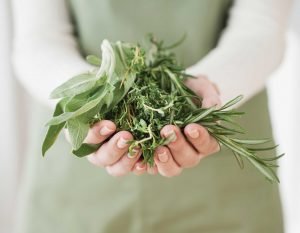
Great Burdock The root is used to treat ‘toxic overload’ that result in throat infections and skin ..