
-

1. Apples Are Nutritious A medium apple is equal to 1.5 cups of fruit. Two cups of fruit daily are recommended ..
-
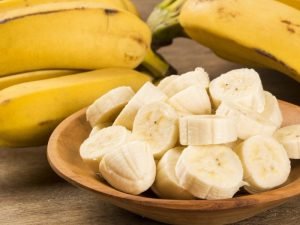
1.Bananas help overcome depression due to high levels of tryptophan, which is converted into serotonin ..
-
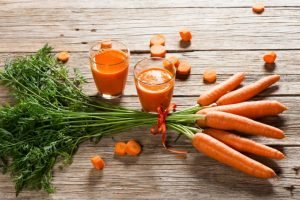
1. Beta carotene: Carrots are a rich source of this powerful antioxidant, which, among other vital uses, ..
-

Tinnitus in the ear can occur due to ear infections, various infections, perforation of the eardrum, ..
-
Comments Off on Pregnancy Calendar – Week 5 of Your Pregnancy

5-week pregnancy “Pregnancy calendar” at week 5: Your baby’s brain is developing. You may feel ..
-
Comments Off on Pregnancy Calendar – Week 4 of Your Pregnancy

4 weeks pregnancy “Pregnancy calendar” at 4th week: A miracle begins! Your baby, now consisting ..
-

The Nutritional Profile of Quinoa and Its Complete Protein
Quinoa is often grouped with whole grains, although botanically it is a seed. Its small, versatile grains have become popular because they provide plant-based protein, dietary fiber, minerals, and complex carbohydrates in one convenient food. Quinoa can replace rice, couscous, or pasta in many meals while adding a distinctive texture and mild, nutty flavor.
One feature sets quinoa apart from many common plant foods: it contains all nine essential amino acids in useful proportions. These are the amino acids the body cannot make on its own and must obtain through food. For this reason, quinoa is commonly described as a complete protein.
Its nutritional value still depends on serving size, preparation, and the rest of the meal. Quinoa is not a cure-all, and it does not automatically make a diet balanced. However, it can be a practical choice for people seeking more plant protein, greater variety, or naturally gluten-free alternatives to traditional grains.
What Quinoa Provides in Each Serving
One cup of cooked quinoa contains approximately 222 calories, 39 grams of carbohydrate, 8 grams of protein, 5 grams of fiber, and 3.5 grams of fat. Exact values vary with the variety, cooking method, and amount of water absorbed. The grain’s carbohydrates provide energy, while its fiber and protein can make meals more satisfying than refined grain choices.
Quinoa also supplies several important micronutrients. A cooked cup provides roughly 118 milligrams of magnesium, 281 milligrams of phosphorus, 2.8 milligrams of iron, 2 milligrams of zinc, and 77 micrograms of folate. It contains smaller amounts of potassium and several B vitamins as well. These nutrients support normal energy metabolism, oxygen transport, bone maintenance, and cell function.
The calorie content is moderate, but portions still matter. A large bowl covered with oil-rich dressing, cheese, or high-calorie toppings can become much more energy-dense. Quinoa works best as one component of a meal that also includes vegetables, a protein-rich food, and a source of healthy fat.
Why Its Protein Is Considered Complete
Proteins are built from amino acids. Nine essential amino acids must come from the diet because the human body cannot produce enough of them independently. Many plant proteins contain all nine, but one or more may appear in relatively small amounts. Quinoa is unusual among plant foods because its amino acid pattern is comparatively well balanced.
Quinoa contains lysine, an amino acid that is often limited in grains such as wheat, rice, and corn. It also provides methionine and cysteine, sulfur-containing amino acids that can be less abundant in some legumes. This combination gives quinoa a complete amino acid profile, although the total protein in a serving is still lower than that found in many portions of meat, fish, eggs, dairy products, or concentrated soy foods.
Calling quinoa a complete protein does not mean every meal needs to contain quinoa. The body maintains an amino acid pool and uses protein from the overall diet. Beans, lentils, nuts, seeds, soy, dairy, eggs, and whole grains can all contribute to adequate protein when eaten in a varied pattern.
For people following vegetarian or vegan diets, quinoa can help diversify protein sources. It is especially useful when combined with beans, chickpeas, tofu, or lentils, creating meals with more total protein and a broader range of nutrients.
Fiber, Minerals, and Plant Compounds
The fiber in quinoa includes both insoluble and soluble types. Insoluble fiber adds bulk to stool and supports regular bowel movements, while soluble fiber can contribute to a slower rise in blood glucose after eating. Fiber also supports the gut microbiome, although individual responses may vary.
A sudden increase in quinoa or any high-fiber food can cause gas, bloating, or abdominal discomfort. Gradually increasing portions and drinking enough fluids may make the transition easier. People with irritable bowel symptoms or other digestive conditions may need to observe how their bodies respond.
Quinoa contains magnesium, phosphorus, iron, and zinc, but the body does not absorb every mineral present in a food. Phytates, naturally occurring compounds in seeds and grains, can bind some minerals and reduce absorption. Rinsing and cooking quinoa may help reduce certain compounds, while soaking can be useful for some people.
Quinoa also supplies polyphenols and other antioxidant compounds. These substances help protect plants from environmental stress and may contribute to the health value of a varied diet. Research into the specific effects of quinoa’s plant compounds is ongoing, so it is best to view them as part of the food’s overall nutritional pattern rather than as a standalone treatment.
How Quinoa Compares With Common Grains
Quinoa is sometimes promoted as nutritionally superior to every other grain, but comparisons depend on what is being measured. Brown rice, oats, barley, buckwheat, and whole-wheat products can also provide fiber, minerals, and beneficial plant compounds. Quinoa’s clearest distinction is its protein quality rather than a universal advantage in every nutrient.
The figures below are approximate values for one cooked cup and can vary by brand and preparation. They are useful for general comparison, not as a substitute for a personalized nutrition assessment.
Food Calories Protein Fiber Notable feature Quinoa 222 8 g 5 g Complete plant protein profile Brown rice 216 5 g 4 g Mild flavor and easy meal pairing Oatmeal 166 6 g 4 g Contains beta-glucan fiber Barley 193 4 g 6 g Particularly rich in soluble fiber Buckwheat groats 155 6 g 4.5 g Naturally gluten-free seed Quinoa may be a helpful choice when someone wants more protein from a grain-like food. Oats and barley can be especially valuable for their soluble fiber, while brown rice may be affordable and familiar. Rotating among these options provides dietary variety and reduces dependence on one food.
Although quinoa is naturally gluten-free, cross-contact can occur during farming, processing, packaging, or cooking. Anyone with celiac disease or a diagnosed gluten sensitivity should choose products labeled and handled as gluten-free.
Preparing Quinoa for Better Flavor and Digestion
Most quinoa has been processed to remove much of its natural coating, but rinsing it under cool running water is still a useful step. The coating contains saponins, compounds that can create a bitter or soapy taste. A fine-mesh strainer helps prevent the small seeds from washing away.
A common cooking method uses about two parts water to one part quinoa. After bringing the mixture to a boil, reduce the heat, cover the pan, and simmer until the water is absorbed and the grains appear translucent with a small spiral germ. Letting the cooked quinoa rest for several minutes before fluffing can improve its texture.
To deepen the flavor, dry quinoa can be lightly toasted in a saucepan before adding water or broth. It can then be served warm with roasted vegetables, herbs, and beans or cooled for salads. Proper refrigeration is important because cooked grains can support bacterial growth if left at room temperature for extended periods.
Quinoa flour, flakes, and puffed quinoa are other forms of the seed. They can be added to baked goods, porridge, or snack mixes, but their nutritional value depends on the complete recipe. Products with added sugar, salt, or highly processed ingredients may offer a different balance than plain cooked quinoa.
Building Balanced Meals With Quinoa
A serving of quinoa becomes more filling and nutritionally complete when paired with colorful produce and another food group. For example, quinoa with black beans, peppers, tomatoes, avocado, and lime provides protein, fiber, vitamin-rich vegetables, and unsaturated fat. A bowl with chickpeas, cucumber, leafy greens, and yogurt dressing offers a different combination of textures and nutrients.
Quinoa can also support simple meal preparation. Cooked portions keep well in the refrigerator for several days when stored promptly in a covered container. They can be added to soups, stuffed vegetables, breakfast bowls, or vegetable patties. Using smaller amounts as a topping or side dish can add variety without making quinoa the center of every meal.
For breakfast, cooked quinoa can be warmed with milk or a fortified plant beverage, cinnamon, fruit, and nuts. For lunch, it can replace pasta in a salad with tuna, tofu, chicken, or lentils. At dinner, it can accompany roasted vegetables and a protein source rather than serving as the only substantial ingredient.
People monitoring blood glucose may appreciate quinoa’s fiber and protein compared with refined grains, but portion size and the full meal remain important. Quinoa still contains carbohydrate, so individual dietary needs should guide how much appears on the plate.
Practical Ways to Get More From Quinoa
Small preparation choices can improve quinoa’s taste, texture, and place in a balanced eating pattern. These approaches are useful for beginners and for people who already use quinoa regularly:
- Rinse dry quinoa thoroughly before cooking to reduce bitterness from residual saponins.
- Combine it with beans, lentils, tofu, eggs, fish, dairy, or poultry when a meal requires more total protein.
- Add vegetables, herbs, and a modest amount of olive oil instead of relying on heavy sauces.
- Cook a batch, cool it promptly, and refrigerate it in shallow covered containers for convenient meals.
- Choose certified gluten-free quinoa products when avoiding gluten for medical reasons.
Quinoa is generally well tolerated, but people with seed allergies should avoid it if it causes symptoms such as hives, swelling, vomiting, or breathing difficulty. Those with kidney disease, mineral restrictions, digestive disorders, or medically prescribed diets may need individualized guidance because even nutritious foods can require portion adjustments.
The same principle applies during pregnancy and breastfeeding: quinoa can be part of a varied eating pattern, but it does not replace prenatal care or the nutrients supplied by a complete diet. Washing produce, using clean cookware, and eating quinoa fully cooked are sensible food-safety practices.
Add quinoa to meals in a way that fits your preferences, budget, and nutritional needs. Whether served with vegetables and lentils, mixed into a breakfast bowl, or used as a rice alternative, this versatile seed offers a dependable combination of fiber, minerals, complex carbohydrates, and complete plant protein.
-

Tea Tree Essential Oil Tea tree oil is often referred to as “medicine cabinet in a bottle,” as it’s ..
-

13 surprising home remedies for acid reflux Before you reach for the heavy-duty, prescription-strength ..
-

Great Burdock The root is used to treat ‘toxic overload’ that result in throat infections and skin ..