
-

1. Apples Are Nutritious A medium apple is equal to 1.5 cups of fruit. Two cups of fruit daily are recommended ..
-
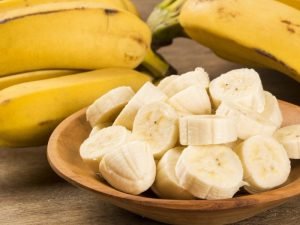
1.Bananas help overcome depression due to high levels of tryptophan, which is converted into serotonin ..
-
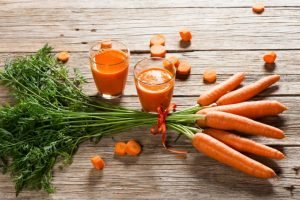
1. Beta carotene: Carrots are a rich source of this powerful antioxidant, which, among other vital uses, ..
-

Tinnitus in the ear can occur due to ear infections, various infections, perforation of the eardrum, ..
-
Comments Off on Pregnancy Calendar – Week 5 of Your Pregnancy

5-week pregnancy “Pregnancy calendar” at week 5: Your baby’s brain is developing. You may feel ..
-
Comments Off on Pregnancy Calendar – Week 4 of Your Pregnancy

4 weeks pregnancy “Pregnancy calendar” at 4th week: A miracle begins! Your baby, now consisting ..
-

The Nutritional Value of Avocado and Why It’s a Superfood
Avocado is a distinctive fruit because it provides substantial amounts of healthy fat, dietary fiber, vitamins, minerals, and protective plant compounds in one serving. Its creamy texture makes it useful in both sweet and savory meals, while its mild flavor pairs with grains, vegetables, legumes, eggs, and whole-grain bread.
The term “superfood” is not a formal medical category, but it is often used for foods with a high concentration of valuable nutrients. Avocado fits this description when included as part of a balanced diet. It can support heart health, digestion, nutrient absorption, and satisfying meals without relying on added butter, mayonnaise, or highly processed sauces.
Nutrition needs differ from person to person, and avocado is relatively high in calories compared with many fruits. The greatest benefits come from sensible portions and variety rather than treating one food as a cure or complete source of nutrition.
A nutrient-dense fruit with healthy fats
Most fruits are naturally low in fat, while avocado contains a significant amount of mostly monounsaturated fat. Oleic acid is the main fatty acid in avocado, and it is also found in olive oil. Replacing some foods high in saturated fat with sources of unsaturated fat can support a heart-conscious eating pattern.
Fat also helps make meals more satisfying. Adding avocado to a salad, bean bowl, or vegetable sandwich may help a person feel full for longer than eating the vegetables alone. The fat in avocado can also help the body absorb fat-soluble compounds, including carotenoids from foods such as tomatoes, carrots, leafy greens, and bell peppers.
The fruit supplies a small amount of plant protein, although it should not be considered a primary protein food. Pairing it with lentils, chickpeas, tofu, fish, eggs, or yogurt creates a more balanced meal with greater protein content.
Vitamins, minerals, and fiber in every serving
Avocado provides dietary fiber, potassium, folate, vitamin K, vitamin E, and vitamin C. It also contains smaller amounts of magnesium, copper, vitamin B6, and several carotenoids. The exact nutritional value changes with fruit size and ripeness, but the following figures offer a useful reference for 100 grams of raw avocado.
Nutrient Approximate amount per 100 g Why it matters Energy 160 calories Contributes to daily energy needs Total fat 14.7 g Mostly monounsaturated fat Carbohydrates 8.5 g Includes naturally occurring fiber Dietary fiber 6.7 g Supports bowel regularity and fullness Protein 2 g Adds a modest amount of plant protein Potassium 485 mg Helps support fluid balance and muscle function Folate 81 mcg DFE Important for cell division and blood formation Vitamin K 21 mcg Supports normal blood clotting and bone metabolism Vitamin E 2.1 mg Provides antioxidant activity Vitamin C 10 mg Supports immune function and collagen production A medium avocado weighs more than 100 grams, so eating the whole fruit provides more nutrients and calories than the reference amount. A practical serving is often one-quarter to one-half of an avocado, depending on the rest of the meal and individual energy requirements.
Its fiber content is especially useful. Fiber helps add bulk to stool, supports regular bowel movements, and can slow digestion of a meal. Because fiber intake should rise gradually, people who currently eat very little fiber may prefer to introduce avocado alongside other high-fiber foods and drink enough fluids.
How avocado may support heart and metabolic health
A dietary pattern rich in unsaturated fats, vegetables, fruits, legumes, whole grains, and nuts is associated with better cardiovascular health. Avocado can contribute to that pattern by replacing less nutritious spreads or saturated-fat-rich ingredients. For example, mashed avocado may take the place of butter on toast or creamy dressing in a grain bowl.
Potassium is another relevant nutrient. Adequate potassium intake helps maintain fluid balance and supports normal nerve and muscle function. It also forms part of dietary patterns commonly recommended for healthy blood pressure. However, people with kidney disease or those taking medications that affect potassium should follow individualized medical advice before substantially increasing high-potassium foods.
Avocado has a low carbohydrate content relative to many starchy foods, and much of its carbohydrate comes with fiber. This makes it a useful ingredient in meals designed to contain vegetables, protein, and moderate portions of whole-food carbohydrates. It does not make a meal automatically suitable for diabetes, though, since the complete meal and portion size still matter.
Research on avocado and cholesterol has produced promising findings, particularly when avocado replaces foods containing saturated fats. Results depend on the overall diet, and eating avocado alongside a diet high in refined carbohydrates or excess calories may reduce its potential value. The strongest approach is to use it as part of a broad, nutrient-rich eating pattern.
Digestive, antioxidant, and pregnancy-related benefits
The combination of soluble and insoluble fiber in avocado can support digestive health. Soluble fiber interacts with water and may help soften stool, while insoluble fiber adds bulk. A healthy gut also benefits from a wide range of plant foods, so avocado works best alongside beans, oats, berries, leafy greens, onions, and other sources of fermentable fiber.
Avocado contains vitamin E, vitamin C, and carotenoid compounds such as lutein and zeaxanthin. These substances participate in antioxidant defenses and are associated with eye and cellular health. Eating avocado does not prevent every age-related condition, but its nutrients can contribute to a diet that supports normal body function.
Folate is important before and during pregnancy because it supports cell division and fetal development. Avocado can provide some dietary folate, but it does not replace a prenatal supplement or professional guidance. Pregnant people should wash the skin before cutting the fruit, use clean utensils, and refrigerate cut avocado promptly to reduce the risk of foodborne illness.
For infants and young children, smooth mashed avocado can be a soft, nutrient-rich food when they are developmentally ready for complementary feeding. Caregivers should follow age-appropriate feeding advice and introduce foods safely, since texture and choking risk matter even when a food is nutritious.
Choosing, storing, and preparing it well
A ripe avocado usually yields slightly when gentle pressure is applied near the stem end. Very soft areas, deep indentations, leaking liquid, or an unpleasant odor can indicate overripeness or spoilage. Skin color varies by variety, so color alone is not a reliable test. An unripe fruit can ripen at room temperature, while refrigeration slows the process once it reaches the preferred texture.
After cutting, the exposed flesh can darken because of oxidation. This does not necessarily mean the avocado is unsafe, although strong discoloration, sliminess, mold, or an off smell calls for discarding it. Store unused portions covered in the refrigerator and use them promptly. Lemon or lime juice may slow browning, but it does not replace proper refrigeration.
Preparation methods influence the nutritional quality of the meal. Slicing avocado over a salad preserves its natural texture, while blending it into a dip can reduce the need for added oils or cream. It can also be stirred into salsa, spread on whole-grain toast, folded into a bean wrap, or served with roasted vegetables.
Because avocado is energy-dense, portions should reflect the meal’s overall calorie content. A large amount added to a dish that already contains cheese, nuts, oil, or creamy dressing can make the meal much heavier than intended. Portion awareness allows the fruit’s benefits to fit different goals, including weight maintenance.
Smart ways to include avocado in a balanced diet
Avocado is flexible enough to appear at breakfast, lunch, dinner, or snack time. Its fat and fiber make it a useful addition to meals that otherwise consist mainly of quickly digested carbohydrates. Combining it with protein and colorful produce creates a meal with a broader range of nutrients.
Use these practical ideas to make the most of its nutritional value:
- Spread mashed avocado on whole-grain toast and add an egg, beans, or cottage cheese for protein.
- Add diced avocado to a salad with leafy greens, tomatoes, chickpeas, and a light citrus dressing.
- Blend avocado with plain yogurt, herbs, and lime to create a creamy dip or sandwich spread.
- Serve a small portion with grilled fish, tofu, lentils, or vegetables instead of a heavy cream-based sauce.
- Mix avocado into a smoothie sparingly with unsweetened yogurt, berries, or leafy greens for a thicker texture.
These combinations help prevent avocado from becoming an isolated calorie source. They also make it easier to include foods that provide nutrients avocado contains in smaller amounts, especially protein, calcium, iron, and vitamin B12.
People taking warfarin should keep vitamin K intake consistent rather than suddenly adding or removing large quantities of avocado. Anyone with a known latex-fruit allergy may need to discuss avocado with a healthcare professional, since cross-reactions can occur in some individuals. Seek medical advice for swelling, hives, breathing difficulty, or other signs of an allergic reaction.
Make this nourishing fruit part of your routine
The nutritional value of avocado comes from its combination of monounsaturated fat, fiber, potassium, folate, vitamins, and antioxidant compounds. It can make meals more satisfying and help replace less nutritious spreads, dressings, and processed ingredients. Its benefits are greatest when it complements vegetables, whole grains, legumes, and reliable protein sources.
Choose a ripe fruit, start with a portion that suits your needs, and add it to a balanced meal several times a week if it works for your diet. Small, consistent choices such as avocado with beans, greens, or whole grains can build a more varied and nourishing eating pattern over time.
-

Tea Tree Essential Oil Tea tree oil is often referred to as “medicine cabinet in a bottle,” as it’s ..
-

13 surprising home remedies for acid reflux Before you reach for the heavy-duty, prescription-strength ..
-

Great Burdock The root is used to treat ‘toxic overload’ that result in throat infections and skin ..