
-

1. Apples Are Nutritious A medium apple is equal to 1.5 cups of fruit. Two cups of fruit daily are recommended ..
-
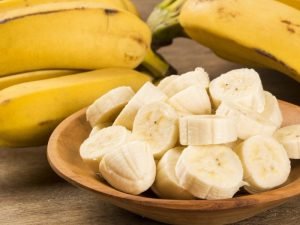
1.Bananas help overcome depression due to high levels of tryptophan, which is converted into serotonin ..
-
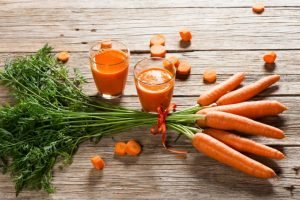
1. Beta carotene: Carrots are a rich source of this powerful antioxidant, which, among other vital uses, ..
-

Tinnitus in the ear can occur due to ear infections, various infections, perforation of the eardrum, ..
-
Comments Off on Pregnancy Calendar – Week 5 of Your Pregnancy

5-week pregnancy “Pregnancy calendar” at week 5: Your baby’s brain is developing. You may feel ..
-
Comments Off on Pregnancy Calendar – Week 4 of Your Pregnancy

4 weeks pregnancy “Pregnancy calendar” at 4th week: A miracle begins! Your baby, now consisting ..
-

How antioxidants support healthier aging
Aging is a natural biological process shaped by genetics, hormones, lifestyle, environment, and time. Although no food or supplement can stop aging, everyday choices may influence how well the body manages cellular wear and tear. Antioxidants are among the nutrients and plant compounds involved in that protection.
These substances help balance unstable molecules called free radicals. Free radicals are produced during normal metabolism and in response to pollution, ultraviolet radiation, cigarette smoke, intense exercise, and inflammation. When their levels overwhelm the body’s defenses, oxidative stress can damage cell membranes, proteins, and DNA.
A diet rich in colorful fruits, vegetables, legumes, nuts, seeds, herbs, and whole grains supplies a broad range of antioxidant compounds. Their value is greatest when they form part of an overall pattern that also includes regular movement, sufficient sleep, sun protection, and routine medical care.
What oxidative stress does to the body
Free radicals are reactive molecules with an unpaired electron. They can interact with nearby structures, sometimes altering fats in cell membranes, proteins that perform essential functions, and genetic material. The body constantly creates these molecules, so their presence is not automatically harmful. In moderate amounts, they can even participate in immune defense and cellular signaling.
The body responds with its own antioxidant system, including enzymes such as superoxide dismutase, catalase, and glutathione peroxidase. Nutrients such as vitamin C, vitamin E, selenium, and zinc support different parts of this network. Oxidative stress may arise when production of reactive molecules becomes excessive or when protective capacity is reduced.
Long-term oxidative stress is associated with processes involved in cardiovascular disease, metabolic problems, neurodegeneration, and changes in skin structure. This does not mean that a single antioxidant can prevent these conditions. Aging is complex, and inflammation, insulin regulation, muscle loss, vascular health, and cellular repair all contribute to how a person ages.
How antioxidants may influence aging
Antioxidants can help neutralize some free radicals before they damage vulnerable cellular components. Vitamin C works in watery areas of the body and helps regenerate vitamin E after vitamin E has helped protect cell membranes. Vitamin E is fat-soluble, while carotenoids such as beta-carotene and lycopene are plant pigments that may also help protect tissues from oxidative reactions.
Polyphenols add another layer of dietary protection. These compounds occur in berries, apples, onions, cocoa, tea, coffee, olives, herbs, and many other plants. Some polyphenols act directly as free-radical scavengers, while others appear to influence cell-signaling pathways related to inflammation and the body’s own protective enzymes.
Skin is often where age-related changes are most visible. Ultraviolet exposure promotes oxidative stress that can break down collagen and contribute to uneven pigmentation and wrinkles. Eating foods containing vitamin C and carotenoids supports normal skin function, but dietary antioxidants are not a substitute for sunscreen, protective clothing, shade, or professional assessment of suspicious skin changes.
The brain and cardiovascular system may also benefit from a diet that reduces overall inflammatory burden. Blood vessels are exposed to oxidative processes throughout life, while brain cells have high energy demands and are particularly sensitive to changes in their environment. Research continues to examine how dietary patterns, rather than isolated compounds, affect memory, circulation, and healthy longevity.
Food sources with protective compounds
Whole foods offer antioxidants alongside fiber, water, minerals, and other substances that may work together. Berries provide anthocyanins and vitamin C, while citrus fruits are known for vitamin C and flavonoids. Tomatoes contain lycopene, especially when cooked with a small amount of healthy fat. Dark leafy greens supply carotenoids, vitamin C, and vitamin K.
Nuts and seeds contribute vitamin E, selenium, and beneficial fats. Beans and lentils provide polyphenols, minerals, and fiber that support digestive and metabolic health. Green tea contains catechins, extra-virgin olive oil contains phenolic compounds, and spices such as turmeric, ginger, cinnamon, and cloves add concentrated plant chemicals in small servings.
Antioxidant source Notable compounds Simple ways to include it Berries Anthocyanins, vitamin C Add to oats, yogurt, or smoothies Tomatoes Lycopene, vitamin C Use in soups, salads, and sauces Leafy greens Carotenoids, vitamin C, vitamin K Include in salads, omelets, or stews Nuts and seeds Vitamin E, selenium, polyphenols Sprinkle over cereal or vegetables Beans and lentils Polyphenols, fiber, minerals Add to soups, curries, and grain bowls Green tea Catechins Drink unsweetened between meals Herbs and spices Diverse polyphenols Use to flavor meals in place of excess salt Variety matters because antioxidant compounds behave differently in the body. A plate containing several colors may provide a wider range of protective nutrients than a meal built around one “superfood.” Frozen and canned produce can also be nutritious choices when fresh options are expensive or unavailable; choosing products without excessive added sugar or salt helps preserve their health value.
A balanced diet works better than megadoses
Large doses of antioxidant supplements are not automatically more effective than food. Some clinical studies have found little benefit from high-dose supplements for preventing chronic disease, and certain products may cause harm in particular groups. Excess beta-carotene, for example, can be unsafe for people who smoke or previously smoked, while high doses of vitamin E may increase risks for some individuals.
Supplements can be useful when a clinician identifies a deficiency, increased requirement, restricted diet, or absorption problem. Pregnancy, kidney disease, liver disease, medication use, and planned surgery are all reasons to seek professional guidance before taking concentrated antioxidant products. “Natural” does not guarantee that a supplement is safe or appropriate.
It is also important to distinguish antioxidant capacity in a laboratory from proven effects in human health. A compound may neutralize free radicals in a test tube but behave differently after digestion and metabolism. Reliable health decisions should consider human studies, dose, duration, interactions, and the quality of the product.
A practical strategy is to build meals around minimally processed foods and use supplements only for a clear reason. This approach reduces the chance of excessive intake while increasing fiber and other nutrients that isolated pills do not provide. It also supports blood pressure, bowel health, weight regulation, and energy balance, which are central to healthy aging.
Daily habits that reinforce cellular health
Nutrition is one part of the body’s defense system. Regular physical activity improves circulation, insulin sensitivity, muscle strength, and mitochondrial function. Moderate exercise may briefly increase free-radical production, but it also encourages the body to strengthen its natural antioxidant enzymes over time. Walking, resistance training, swimming, cycling, and balance exercises can all contribute to a sustainable routine.
Sleep gives the body time to regulate immune activity, hormones, metabolism, and tissue repair. Adults commonly need seven to nine hours, though individual requirements vary. A consistent sleep schedule, reduced evening light, and limited caffeine late in the day may support restorative rest.
Avoiding tobacco is one of the most powerful ways to reduce oxidative stress. Smoking exposes the lungs and bloodstream to a large mixture of reactive chemicals, while secondhand smoke also carries health risks. Excess alcohol can contribute to inflammation and nutrient deficiencies, so moderation or avoidance is preferable.
Hydration, sun protection, and stress management also matter. A varied diet can support immune resilience during ordinary illnesses, and warm fluids may be comforting when someone has throat irritation; practical options are described in these soothing a sore throat suggestions. Persistent symptoms, severe pain, difficulty breathing, or trouble swallowing require medical attention rather than relying on home care.
Choosing an antioxidant-rich eating pattern
A simple meal pattern can make protective foods easier to consume consistently. Fill about half the plate with vegetables or fruit, include a source of protein, and add whole grains or other high-fiber carbohydrates. Use nuts, seeds, avocado, or olive oil in sensible portions. This structure provides nutrients without requiring precise calculations of antioxidant intake.
Color is a useful guide, but it should not become a rigid rule. Red and orange produce often provide carotenoids, blue and purple foods contain anthocyanins, and green vegetables supply compounds such as lutein and vitamin C. White foods, including onions, garlic, mushrooms, and cauliflower, also contain valuable sulfur compounds and polyphenols.
Recommendations for healthy aging:
- Eat several types of vegetables and fruit throughout the week, aiming for variety rather than one fashionable food.
- Include beans, lentils, nuts, seeds, and whole grains to add fiber and plant compounds.
- Use herbs, spices, tea, or coffee thoughtfully, while limiting added sugar and highly processed toppings.
- Combine nutrition with resistance exercise, aerobic movement, adequate sleep, and protection from tobacco smoke.
- Ask a healthcare professional before using high-dose antioxidant supplements or herbal products.
Cooking method can affect nutrient availability. Gentle steaming may preserve some water-soluble vitamins, while cooking tomatoes can increase the amount of lycopene available for absorption. Adding a small amount of healthy fat to vegetables may help the body absorb fat-soluble carotenoids. Since no method preserves every compound equally, a mixture of raw and cooked foods is a sensible choice.
The goal is not to create an antioxidant “shield” against time. It is to support the systems that maintain cells, blood vessels, muscles, skin, and the nervous system as the years pass. Consistency is more meaningful than occasional large servings or expensive products marketed with promises of dramatic rejuvenation.
Small dietary changes can become part of a lasting approach to healthy aging. Add a colorful fruit to breakfast, include vegetables at lunch and dinner, replace some refined snacks with nuts or seeds, and use beans or lentils more often. Pair these choices with movement, sleep, sun protection, and appropriate medical screening to give your body practical support over time.
-
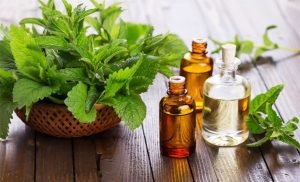
Tea Tree Essential Oil Tea tree oil is often referred to as “medicine cabinet in a bottle,” as it’s ..
-

13 surprising home remedies for acid reflux Before you reach for the heavy-duty, prescription-strength ..
-
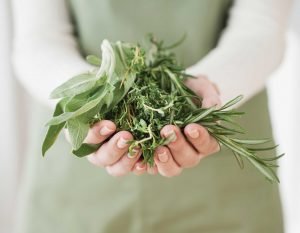
Great Burdock The root is used to treat ‘toxic overload’ that result in throat infections and skin ..