
-

1. Apples Are Nutritious A medium apple is equal to 1.5 cups of fruit. Two cups of fruit daily are recommended ..
-

1.Bananas help overcome depression due to high levels of tryptophan, which is converted into serotonin ..
-
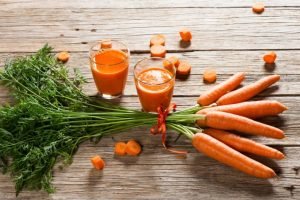
1. Beta carotene: Carrots are a rich source of this powerful antioxidant, which, among other vital uses, ..
-

Tinnitus in the ear can occur due to ear infections, various infections, perforation of the eardrum, ..
-
Comments Off on Pregnancy Calendar – Week 5 of Your Pregnancy

5-week pregnancy “Pregnancy calendar” at week 5: Your baby’s brain is developing. You may feel ..
-
Comments Off on Pregnancy Calendar – Week 4 of Your Pregnancy

4 weeks pregnancy “Pregnancy calendar” at 4th week: A miracle begins! Your baby, now consisting ..
-

The role of fibre in managing constipation
Constipation is common in Australia and can affect people of every age. It may involve infrequent bowel movements, hard or lumpy stools, straining, or the feeling that the bowel has not fully emptied. Travel, changes in routine, low fluid intake, pregnancy, some medicines and a diet low in plant foods can all contribute.
Fibre supports regular bowel function by adding bulk, holding water in the stool and helping food move through the digestive tract. Increasing fibre can be a useful part of a constipation-management plan, although it works best alongside adequate fluids, daily movement and good toilet habits. Persistent or severe symptoms should be assessed by a doctor rather than managed only at home.
How fibre supports regular bowel movements
Dietary fibre is the part of plant food that the body does not fully digest. It passes through the digestive system and reaches the large intestine, where it influences stool consistency and bowel movement patterns. Some fibre absorbs water and forms a soft gel, while other types add physical bulk and help stimulate movement through the bowel.
Soluble fibre is found in foods such as oats, barley, beans, lentils, apples and citrus fruit. Insoluble fibre occurs in wholegrain breads, wheat bran, vegetable skins and many leafy vegetables. Most high-fibre foods contain a mixture of both types, so eating a varied diet is more useful than focusing on a single product.
Fibre can also support the gut microbiome. Certain fibres are fermented by beneficial gut bacteria, producing compounds that help maintain the environment of the colon. This process may take time, which is why sudden large increases in fibre can cause bloating or wind before bowel comfort improves.
Soluble and insoluble fibre in the diet
Soluble fibre can be particularly helpful when stools are dry because it draws in water and makes waste softer and easier to pass. Psyllium husk is a concentrated soluble-fibre supplement commonly sold in Australian supermarkets and pharmacies. It must be taken with plenty of fluid, as swallowing it dry can create a choking hazard or worsen blockage.
Insoluble fibre adds structure to stool and is often associated with wholegrain cereals, brown rice, nuts, seeds and vegetable skins. It can help people who eat very few plant foods, but increasing bran or raw vegetables too quickly may aggravate discomfort in some people. Cooking vegetables and choosing softer fruits can make a higher-fibre diet easier to tolerate.
The best approach is usually a combination. For example, porridge with berries and chia seeds provides soluble fibre, while a wholegrain sandwich with salad contributes additional bulk. People with irritable bowel syndrome may need individual guidance because some fermentable fibres can trigger gas, pain or altered bowel habits.
How much fibre adults need
The Australian Dietary Guidelines encourage adults to eat a variety of vegetables, fruit, legumes, nuts, seeds and wholegrain cereal foods. A commonly used target is about 25 grams of fibre daily for women and 30 grams for men, although needs vary with age, body size, activity and overall health. Many Australians consume less than this because highly processed foods have replaced some traditional sources of plant fibre.
A gradual increase is usually more comfortable than trying to reach the full amount immediately. Adding one serving of legumes, fruit or wholegrain food each day can make a meaningful difference. Keeping a simple food record for several days may reveal that breakfast is low in fibre or that vegetables are missing from lunch and dinner.
Fibre needs to be matched with fluid. Water allows fibre to swell and soften stool, while inadequate drinking can leave the bowel contents dry. Hot weather in Perth, Brisbane or Darwin, outdoor work and exercise can increase fluid needs, so thirst alone may not always be a reliable guide.
Fibre-rich foods for an Australian diet
Fresh and frozen produce can both contribute to bowel health. Affordable choices at Coles, Woolworths, Aldi, local greengrocers and weekend markets include carrots, peas, sweet potato, broccoli, apples, pears and oranges. Leaving edible skins on well-washed fruit and vegetables can increase fibre, although people with sensitive digestion may prefer peeled or cooked options at first.
Australian staples can also be adapted without major changes to cooking habits. Rolled oats, wholegrain toast, brown rice, barley, baked beans, chickpeas and lentils are practical choices. A lentil soup, vegetable pasta sauce or bean-based salad can add fibre while also providing plant protein and minerals.
Useful options to include across the week include:
- Porridge topped with pear, berries, chia seeds or ground linseeds
- Wholegrain bread, brown rice, quinoa, barley or wholemeal pasta
- Chickpeas, kidney beans, baked beans, lentils and split peas
- Vegetables such as peas, sweet potato, broccoli, corn and carrots
- Fresh fruit, especially pears, kiwifruit, apples and oranges
- Unsalted nuts and seeds added to yoghurt, cereal or salads
Prunes and prune juice are traditional constipation remedies because prunes contain fibre and naturally occurring sorbitol, which can draw water into the bowel. Kiwifruit may also support stool frequency for some people. These foods still contain natural sugars, so portion size matters for people managing diabetes or following a medically prescribed diet.
Increasing fibre without worsening bloating
A sudden switch from white bread and low-fibre snacks to large bowls of bran, beans and raw vegetables can produce cramping, gas and abdominal fullness. Increase portions over one or two weeks instead. For example, replace one serving of refined cereal with oats, then add a piece of fruit or a small portion of legumes later in the day.
Drink regularly as fibre intake rises. Water is the simplest option, while milk, soups and other drinks also contribute to total fluid intake. People with heart failure, kidney disease or another condition requiring fluid restriction should ask their healthcare professional how to increase fibre safely.
Cooking can improve tolerance. Stewed apples, roasted vegetables, soft lentils and well-cooked beans may be easier to digest than large raw salads. If legumes cause wind, rinse canned varieties thoroughly, begin with small portions and increase gradually. A dietitian can help identify suitable choices when bloating continues.
Practical ways to build fibre slowly include:
- Add one tablespoon of chia or ground linseeds to breakfast
- Choose a wholegrain version of one familiar food
- Add a small amount of lentils or beans to soup, mince or pasta sauce
- Eat fruit as a snack instead of replacing it with biscuits or chips
- Increase vegetable portions by a few spoonfuls at lunch and dinner
- Drink a glass of water with meals and fibre supplements
Daily habits that help the bowel
Fibre is only one part of healthy bowel function. Regular walking can encourage intestinal movement, and even a 20- to 30-minute walk may help people who sit for long periods. A stroll along a Melbourne park path, a walk after dinner in Adelaide or routine movement around the home can be enough to create a consistent habit.
Toilet timing also matters. The bowel is often more active after breakfast or a warm drink. Sitting without rushing, keeping the feet on a small footstool and responding to the urge to go may reduce straining. Repeatedly delaying a bowel movement can allow more water to be absorbed, making stool harder.
Stress and disrupted routines can affect the gut-brain connection. Long periods of screen-based entertainment, including Egyptian-themed online gaming, may also replace movement, meals or regular bathroom breaks when they become part of an overly sedentary day. Balanced routines with breaks, meals at predictable times and adequate sleep can support more regular habits.
Some medicines can cause constipation, including opioid pain medicines, certain antacids, iron supplements and some antidepressants. People should not stop prescribed treatment without medical advice. A pharmacist can explain whether a medicine may be contributing and whether a stool-softening treatment or different timing is appropriate.
When fibre is not the right first step
Fibre may not be suitable as the immediate response to severe abdominal pain, vomiting, marked swelling or a suspected bowel obstruction. In these situations, adding bulk could make symptoms worse or delay urgent treatment. Sudden constipation with an inability to pass gas also needs prompt medical assessment.
A doctor should review constipation that lasts more than a couple of weeks, keeps returning or does not improve after sensible changes to food, fluids and movement. Medical advice is especially important for older adults, people with neurological conditions, those taking opioid medicines and anyone with a history of bowel disease.
Seek urgent care for blood mixed into the stool, black tarry stools, unexplained weight loss, persistent vomiting, fever, severe pain or a major change in bowel habits. Bright red blood may sometimes come from haemorrhoids or a small tear, but it should not automatically be blamed on straining.
Pregnancy can slow bowel movement because of hormonal changes, reduced activity and pressure from the growing uterus. Pregnant people should discuss supplements, laxatives and major dietary changes with a midwife, pharmacist or doctor. Children with repeated constipation also need age-appropriate advice rather than adult fibre products.
Making a sustainable constipation plan
A practical plan begins with regular meals containing several plant foods, followed by a gradual fibre increase. Breakfast might include oats and fruit, lunch could contain a wholegrain sandwich with salad, and dinner may feature vegetables with brown rice or legumes. Snacks such as fruit, nuts or yoghurt with seeds can fill common gaps.
It is useful to track stool consistency, frequency, fluid intake and symptoms for a week or two. This can show whether a change is helping and may give a healthcare professional clearer information. Bristol Stool Chart types three and four are generally considered easier to pass, while hard separate lumps or very dry stools suggest that more support may be needed.
Fibre supplements can be useful when food alone is not enough, but they are not interchangeable. Psyllium mainly increases gel-forming fibre, whereas stimulant laxatives work differently and should not be used casually for long periods. Follow the product directions, separate fibre from medicines when advised and ask a pharmacist about interactions.
The goal is comfortable, predictable bowel function rather than the largest possible fibre intake. A varied Australian diet, sufficient fluid, regular movement and timely medical advice provide a safer foundation than relying on one food or supplement.
-

Tea Tree Essential Oil Tea tree oil is often referred to as “medicine cabinet in a bottle,” as it’s ..
-

13 surprising home remedies for acid reflux Before you reach for the heavy-duty, prescription-strength ..
-
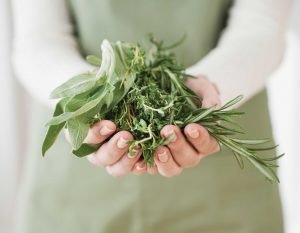
Great Burdock The root is used to treat ‘toxic overload’ that result in throat infections and skin ..