
-

1. Apples Are Nutritious A medium apple is equal to 1.5 cups of fruit. Two cups of fruit daily are recommended ..
-

1.Bananas help overcome depression due to high levels of tryptophan, which is converted into serotonin ..
-
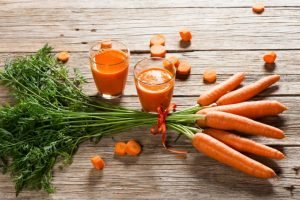
1. Beta carotene: Carrots are a rich source of this powerful antioxidant, which, among other vital uses, ..
-

Tinnitus in the ear can occur due to ear infections, various infections, perforation of the eardrum, ..
-
Comments Off on Pregnancy Calendar – Week 5 of Your Pregnancy

5-week pregnancy “Pregnancy calendar” at week 5: Your baby’s brain is developing. You may feel ..
-
Comments Off on Pregnancy Calendar – Week 4 of Your Pregnancy

4 weeks pregnancy “Pregnancy calendar” at 4th week: A miracle begins! Your baby, now consisting ..
-

The Role of Zinc in Boosting Your Immune Response
Zinc is a trace mineral involved in many processes that keep the immune system responsive and balanced. Your body uses it to support the development and activity of immune cells, maintain healthy skin and mucous membranes, and help regulate inflammation. Because the body stores only small amounts of zinc, regular dietary intake matters.
The role of zinc in boosting your immune response is best understood as supportive rather than magical. Zinc cannot prevent every infection or replace sleep, vaccination, nutritious food, or medical care. However, getting enough can help immune defenses work normally, while a deficiency may make it harder for the body to respond effectively to harmful microbes.
Zinc is found in seafood, meat, dairy products, legumes, nuts, seeds, and fortified foods. Needs vary with age, sex, pregnancy, breastfeeding, eating pattern, and health status. A balanced approach focuses first on food and uses supplements carefully when a clinician identifies a genuine need.
Why Zinc Matters to Immune Defenses
The immune system relies on zinc at several stages. It helps support the formation and function of white blood cells, including cells that identify and attack bacteria and viruses. Zinc also contributes to the health of the thymus, an organ involved in developing certain immune cells. When zinc levels are inadequate, these systems may become less efficient.
A sufficient supply also helps preserve the body’s physical barriers. The skin, digestive tract, and respiratory passages act as protective boundaries that limit the entry of pathogens. Zinc supports tissue maintenance and wound healing, which makes it relevant to the first line of immune protection as well as the response that follows exposure.
Research has explored zinc and common colds, especially lozenges used soon after symptoms begin. Some studies suggest that particular zinc products may shorten cold duration when taken early, but results differ according to the form, dose, timing, and product quality. Zinc should therefore be viewed as one possible part of respiratory illness care, not a guaranteed treatment.
How Zinc Supports Immune Function
Zinc helps regulate communication between immune cells. During an infection, the body must coordinate inflammation strongly enough to address the threat without allowing an excessive response to damage healthy tissue. Zinc participates in cellular signaling and gene activity connected with this balance.
The mineral also supports antioxidant defenses and normal cell division. These functions matter because immune cells must multiply and mature quickly when the body encounters an unfamiliar pathogen. Zinc contributes to the production of proteins involved in repair, making it important during recovery from illness or injury.
Age, diet, and health conditions can change how well someone obtains or uses zinc. Older adults may eat less or absorb nutrients less efficiently. People following restrictive vegetarian or vegan diets may need extra planning because plant foods contain phytates, natural compounds that can reduce zinc absorption. Digestive disorders, long-term diarrhea, and certain intestinal surgeries may also affect zinc status.
Recognizing Low Zinc Intake
A mild deficiency can be difficult to identify because its signs overlap with many other health problems. Possible indicators include frequent infections, slow wound healing, reduced appetite, changes in taste or smell, hair loss, skin changes, and persistent fatigue. These symptoms do not prove that zinc is responsible, so self-diagnosis is unreliable.
Children, pregnant or breastfeeding individuals, older adults, and people with gastrointestinal conditions may have a higher risk of inadequate intake. Alcohol dependence and some long-term medications can also affect zinc absorption or metabolism. Anyone with recurring symptoms should discuss the broader picture with a qualified healthcare professional rather than taking high-dose supplements automatically.
A blood test may be useful in selected cases, but zinc status is not always straightforward to measure. Healthcare providers consider symptoms, diet, medical history, medications, and laboratory findings together. If you need to contact a health publisher about nutrition information, use its protected contact address rather than sharing personal medical details in public comments.
Food Sources That Fit Daily Eating
Food is usually the safest and most practical way to meet zinc requirements. Oysters provide especially high amounts, while beef, poultry, crab, and other seafood are useful animal sources. Milk, cheese, and eggs contribute smaller quantities and can fit into varied eating patterns.
Beans, lentils, chickpeas, pumpkin seeds, hemp seeds, cashews, peanuts, and whole grains provide plant-based zinc. Soaking, sprouting, fermenting, or leavening some plant foods can reduce phytate content and may improve mineral availability. Pairing legumes or grains with vegetables rich in vitamin C can support overall nutritional quality, even though vitamin C does not directly increase zinc absorption in the same way it supports iron absorption.
The recommended dietary allowance for most adults is 11 milligrams daily for men and 8 milligrams for women. Needs rise to 11 milligrams during pregnancy and 12 milligrams while breastfeeding for adults. Requirements for children and teenagers vary by age. The figures below offer a practical comparison, but individual needs can differ.
Food or supplement source Typical zinc contribution Useful consideration Oysters Very high, depending on serving Amount varies widely by species and preparation Beef or crab Moderate to high Provides highly absorbable zinc Poultry, eggs, or dairy Low to moderate Easy to include in regular meals Lentils, beans, or chickpeas Moderate Soaking and cooking may improve mineral availability Pumpkin seeds or cashews Moderate Calorie-dense, so portion size matters Fortified breakfast cereal Variable Check the nutrition label for serving size Zinc supplement Depends on product Use only when appropriate and within safe limits Choosing Supplements Safely
Zinc supplements come in forms such as zinc gluconate, zinc acetate, and zinc picolinate. Marketing claims often suggest that one form is universally superior, but the most important issues are the elemental zinc amount, tolerability, product quality, and reason for use. Read the label carefully because the total compound weight is not the same as the amount of elemental zinc.
The tolerable upper intake level for adults is 40 milligrams of elemental zinc per day from food and supplements combined, unless a medical professional provides different instructions. Regularly exceeding this amount can cause nausea, stomach discomfort, vomiting, headaches, and loss of appetite. Prolonged excessive intake may interfere with copper absorption, weaken immune function, and reduce beneficial high-density lipoprotein cholesterol.
Zinc can interact with some antibiotics, penicillamine used for certain conditions, and diuretics. It may also compete with iron or calcium when taken at the same time in concentrated supplement form. People who are pregnant, breastfeeding, managing a chronic condition, or taking prescription medication should check with a clinician or pharmacist before beginning a zinc product.
Zinc lozenges deserve particular caution. Some products contain large amounts, and nasal zinc products have been associated with loss of smell. Never use a nasal zinc spray or gel without professional guidance, and do not give adult-strength supplements to children unless a pediatric healthcare provider recommends them.
Building A Balanced Immune Nutrition Routine
A strong immune-supporting diet is broader than a single mineral. Include colorful fruits and vegetables, adequate protein, whole grains, healthy fats, and enough fluids. Sleep, regular movement, stress management, hand hygiene, and recommended vaccinations also influence how well the body handles infection.
Small meal choices can make zinc intake more consistent. Add beans to soups, lentils to salads, seeds to yogurt or porridge, or seafood and poultry to a balanced dinner. If you eat mostly plant-based foods, vary your protein sources and include fortified products when appropriate. A registered dietitian can help create a plan that meets zinc needs without unnecessary supplementation.
Useful habits include:
- Check the zinc content of your usual meals before buying a supplement.
- Choose varied protein sources, including legumes, seeds, seafood, eggs, or lean meat.
- Follow the serving instructions and elemental zinc amount on any supplement label.
- Separate zinc from interacting medicines when a pharmacist advises it.
- Seek medical advice for recurring infections, slow healing, or persistent digestive symptoms.
Zinc works best as part of a consistent nutrition pattern. A supplement may be reasonable for a documented deficiency or a specific short-term purpose, but taking larger amounts does not create stronger immunity. Keep products out of children’s reach, and record all vitamins and minerals you use so your healthcare team can review them accurately.
Use these principles to evaluate your own meals and discuss concerns with a qualified healthcare professional, especially before treating an infection or starting a high-dose product. Making informed food choices today can help you support normal immune function safely and sustainably.
-
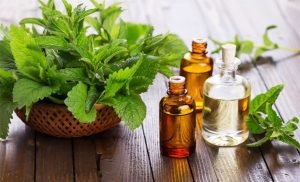
Tea Tree Essential Oil Tea tree oil is often referred to as “medicine cabinet in a bottle,” as it’s ..
-

13 surprising home remedies for acid reflux Before you reach for the heavy-duty, prescription-strength ..
-
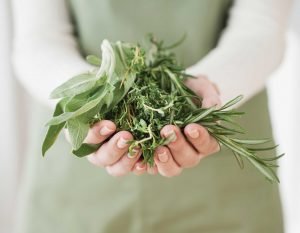
Great Burdock The root is used to treat ‘toxic overload’ that result in throat infections and skin ..