
-

1. Apples Are Nutritious A medium apple is equal to 1.5 cups of fruit. Two cups of fruit daily are recommended ..
-

1.Bananas help overcome depression due to high levels of tryptophan, which is converted into serotonin ..
-
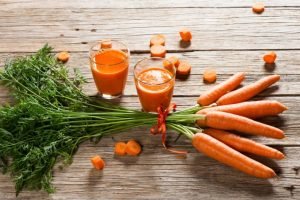
1. Beta carotene: Carrots are a rich source of this powerful antioxidant, which, among other vital uses, ..
-

Tinnitus in the ear can occur due to ear infections, various infections, perforation of the eardrum, ..
-
Comments Off on Pregnancy Calendar – Week 5 of Your Pregnancy

5-week pregnancy “Pregnancy calendar” at week 5: Your baby’s brain is developing. You may feel ..
-
Comments Off on Pregnancy Calendar – Week 4 of Your Pregnancy

4 weeks pregnancy “Pregnancy calendar” at 4th week: A miracle begins! Your baby, now consisting ..
-
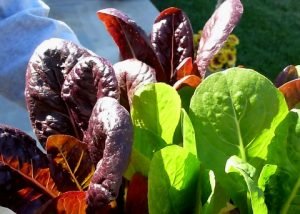
Zinc’s Role in Wound Healing and Immune Function
Zinc is an essential trace mineral that helps the body repair tissue, regulate inflammation and mount effective immune responses. The role of zinc in wound healing and immune function extends beyond general wellbeing: zinc supports cell division, protein synthesis, barrier repair and immune-cell signalling. Wound care can support these processes, but a supplement is most useful when it fills a genuine nutritional gap or addresses a specific clinical need.
Research gives the clearest picture of what zinc deficiency can do. When intake is too low, immune responses may weaken, inflammation can be less well controlled, and skin repair may stall. Other signs can include poor appetite, altered taste, dry or irritated skin and hair loss. Correcting a confirmed deficiency is important; taking extra zinc when stores are already adequate is less likely to improve healing and may cause harm.
Zinc in the stages of tissue repair
A wound moves through several overlapping stages: stopping bleeding, clearing damaged tissue, rebuilding skin and connective tissue, then remodelling the repair. Zinc is involved throughout this sequence. It helps cells respond to injury and supports the normal growth and division of skin cells, immune cells and fibroblasts, which are among the cells that close a wound.
At a cellular level, hundreds of proteins and enzymes depend on zinc. Zinc acts as a cofactor in DNA and protein synthesis and in enzymes that control tissue matrix breakdown and rebuilding. It also contributes to antioxidant defences through zinc-containing enzymes. These actions help explain why severe deficiency can delay closure and why infection may become more likely when immune function is impaired.
Zinc alone is not a wound-healing treatment. Protein, energy, vitamin C and other nutrients also matter, and an infection, poor blood supply or repeated pressure on the wound can prevent recovery regardless of zinc intake. A person who eats a varied diet usually has enough zinc, while prolonged poor intake, malabsorption or heavy wound losses can create a shortfall.
Zinc and normal immune function
Zinc is required for the development and normal operation of many immune cells, including T lymphocytes and natural killer cells. It helps regulate signals that tell these cells when to act and supports antibody production and the maintenance of epithelial barriers. This matters because a wound exposes the body to microbes, while damaged skin provides a less effective first line of defence.
Low zinc status can reduce the speed or strength of immune responses, particularly when infection is present. Severe deficiency may lead to fewer immune cells and a higher risk of skin and lung infections. People at greater risk include those with restricted diets, intestinal diseases, a history of bariatric surgery, or conditions that cause substantial fluid losses. A clinician may consider a blood test when deficiency is plausible, although zinc results must be interpreted alongside diet and medical history.
More zinc does not automatically mean stronger immunity. Once a person meets their needs, high-dose supplements have not consistently prevented infections or sped recovery in otherwise well-nourished people. Claims about zinc lozenges for colds also depend on the formulation, dose and timing, so they should be viewed as optional symptom-management products rather than a substitute for rest, vaccination and medical care.
Getting enough zinc from Australian food
For most healthy adults, the Australian dietary reference intake is 14 mg of zinc a day for men and 8 mg for women. The recommended intake during pregnancy is 11 mg a day. These figures cover ordinary needs and are not the same as a supplement dose. Food labels list zinc in milligrams per serve or per 100 grams, which can make comparisons between breakfast cereals, muesli and other fortified products easier.
- Beef, lamb and pork provide a concentrated amount of zinc, while chicken and turkey contribute smaller amounts. These foods also supply protein needed for repair.
- Oysters are exceptionally rich in zinc, and prawns, salmon and other fish add useful amounts. Anyone pregnant should follow Australian food-safety advice for shellfish.
- Milk, yoghurt and cheese add a modest amount of zinc, while eggs provide a smaller contribution.
- Pumpkin seeds, cashews, peanuts and chickpeas supply zinc in plant foods, with amounts varying according to processing and serving size.
- Fortified breakfast cereals, wholegrain bread and soy products can contribute meaningfully when chosen regularly and included in a varied diet.
Zinc from animal foods is generally absorbed more readily than zinc from plants. Compounds called phytates, found in seeds, grains and legumes, can bind zinc in the gut and reduce absorption. Soaking, sprouting, fermenting and leavening can improve availability, and eating pulses with other protein foods may also help. This makes a varied, minimally processed vegetarian pattern easier to manage, but people with high requirements still need individual advice.
Coles and Woolworths stock a wide range of zinc-containing foods, from fortified cereals to seed butters and nuts. Rather than chasing a particular branded product, comparing the labelled amount per serving is more useful. A dietitian can help people who avoid meat or seafood, eat a very restricted diet, or need to meet the higher requirements of pregnancy without taking unnecessary supplements.
Using zinc supplements and topical products safely
Zinc tablets, drops, lozenges and topical products are widely sold online and at Australian chemists. Supplements are regulated by the Therapeutic Goods Administration and many carry an AUST L number for listing in the Australian Register of Therapeutic Goods. That listing indicates that the product meets applicable safety, quality and labelling requirements; it does not guarantee every advertised benefit. A pharmacist can assess a product alongside your medicines, pregnancy status and medical conditions.
- Check the amount of elemental zinc, not just the total weight of the tablet. Different salts and formulations can deliver very different doses.
- For adults, the Australian upper limit for routine long-term intake is 40 mg of zinc a day from all sources. Clinically supervised treatment may use higher doses.
- Include zinc from food, fortified drinks, multivitamins and individual supplements when judging your total. Taking two products together can make a routine dose unexpectedly high.
- Ask the pharmacist about timing if you take tetracycline or quinolone antibiotics, because zinc can reduce their absorption. Do not change a prescribed antibiotic course without advice.
- Avoid sharing high-dose products or adding a separate zinc supplement when a prenatal vitamin already contains enough. Persistent nausea, diarrhoea or a metallic taste can indicate excess intake.
Short courses of a modest-dose supplement may be appropriate during illness, after surgery or when a health professional identifies low intake, but the reason and duration should be clear. Long-term high doses can interfere with copper absorption and cause anaemia, nerve symptoms or low white-cell counts. Topical zinc oxide can form a protective barrier for irritated intact skin, yet evidence that it speeds the closure of a healthy, well-nourished person’s wound is limited.
Pregnancy increases zinc requirements, and maternal zinc status affects fetal growth and milk production. A doctor or midwife can check whether a prenatal supplement supplies an appropriate amount; another high-dose tablet may add little and raise the risk of taking too much. Breastfeeding also draws on maternal stores, so dietary intake remains important rather than relying on high-dose supplements.
Practical wound care and Australian medical guidance
For a clean, shallow graze, rinse the area with cool potable running water, remove visible dirt and pat the surrounding skin dry. Avoid hydrogen peroxide, alcohol or strong antiseptics, which can irritate tissue. Cover the wound with a sterile non-stick dressing and change it when wet, dirty or loose. Keep the area clean and avoid picking at scabs; the skin’s natural repair process works best when the wound is protected and undisturbed.
Australia’s strong ultraviolet radiation adds another reason to protect healing skin. Once a wound has closed, broad-spectrum SPF 50+ sunscreen containing zinc oxide is one option, alongside shade, a hat and protective clothing. Sunscreen is for intact or healed skin and does not replace wound care. A zinc oxide dressing or cream should not be placed into an open wound unless a clinician specifically recommends it.
Seek medical care if redness spreads, the area becomes increasingly warm or painful, pus appears, red streaks develop or fever develops. Also arrange review if the wound has not begun to improve over a week or two, if a foreign object may remain, or if the injury is a deep puncture or animal or human bite. People with diabetes, poor circulation, reduced immunity or a condition that affects healing should seek advice earlier.
Call Healthdirect on 1800 022 222 for nurse advice when a wound needs assessment but is not an emergency, and call 000 for uncontrolled bleeding, a severe wound or signs of a serious infection. Check that tetanus vaccination is current for dirty or puncture wounds. A clean minor graze needs simple protection and observation; a deeper, contaminated or worsening injury needs professional care rather than extra zinc alone.
-
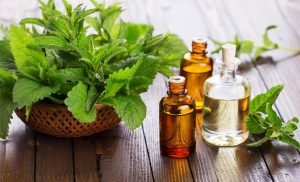
Tea Tree Essential Oil Tea tree oil is often referred to as “medicine cabinet in a bottle,” as it’s ..
-

13 surprising home remedies for acid reflux Before you reach for the heavy-duty, prescription-strength ..
-
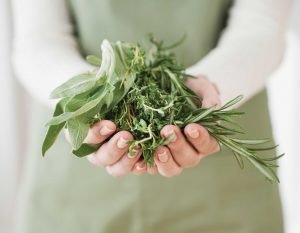
Great Burdock The root is used to treat ‘toxic overload’ that result in throat infections and skin ..