
-

1. Apples Are Nutritious A medium apple is equal to 1.5 cups of fruit. Two cups of fruit daily are recommended ..
-
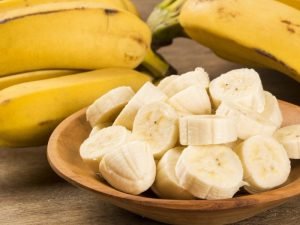
1.Bananas help overcome depression due to high levels of tryptophan, which is converted into serotonin ..
-
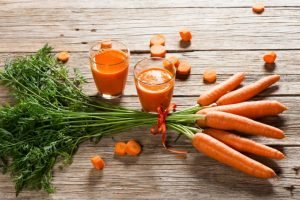
1. Beta carotene: Carrots are a rich source of this powerful antioxidant, which, among other vital uses, ..
-

Tinnitus in the ear can occur due to ear infections, various infections, perforation of the eardrum, ..
-
Comments Off on Pregnancy Calendar – Week 5 of Your Pregnancy

5-week pregnancy “Pregnancy calendar” at week 5: Your baby’s brain is developing. You may feel ..
-
Comments Off on Pregnancy Calendar – Week 4 of Your Pregnancy

4 weeks pregnancy “Pregnancy calendar” at 4th week: A miracle begins! Your baby, now consisting ..
-
Herbal Teas for Stress and Anxiety Relief
A warm cup of herbal tea can become a simple part of a calmer evening routine. The heat, aroma, slower pace, and mindful act of sipping may help signal that it is time to pause. Some herbs also contain plant compounds that have been studied for their relaxing, sleep-supporting, or mood-balancing effects.
The best tea for stress depends on what you are experiencing. Occasional nervousness, difficulty falling asleep, muscle tension, digestive discomfort, and persistent anxiety may respond differently to the same herb. A tea can complement healthy habits, but it should not replace professional care for severe or ongoing symptoms.
The top 10 herbal teas for reducing stress and anxiety include familiar flowers, fragrant leaves, and traditional medicinal plants. Their strengths and precautions vary, so learning how to use each one sensibly is just as important as choosing a pleasant flavor.
Why Calming Teas May Ease Tension
Herbal infusions are naturally caffeine-free when they are made from flowers, leaves, roots, or spices rather than true tea leaves. This makes many of them suitable for nighttime use. Reducing caffeine can be helpful because coffee, energy drinks, and strong black tea may intensify restlessness, a rapid heartbeat, or trouble sleeping in sensitive people.
The ritual itself may also support relaxation. Preparing a cup encourages a short break from screens and demanding tasks. Slow breathing while enjoying the scent and warmth can reinforce this calming effect. These benefits are gentle and gradual rather than comparable to prescription anxiety treatment.
Research on individual herbs is mixed. Some studies use concentrated extracts, while people generally drink a much weaker infusion. Results can also vary according to the herb’s quality, preparation method, dose, and the person’s health history. Herbal tea is best viewed as supportive self-care rather than a guaranteed remedy.
Ten Herbal Infusions Worth Trying
Chamomile is one of the most widely used bedtime teas. Its mild floral taste and apigenin content may support relaxation and sleep. Lemon balm has a fresh, slightly citrusy flavor and is traditionally used for nervous tension, occasional worry, and digestive upset associated with stress.
Lavender tea has a distinctive floral aroma that many people find soothing. Passionflower is another traditional calming herb that may help quiet mental overactivity, although it can cause drowsiness. Valerian root is more strongly associated with sleep support; its earthy flavor is often blended with mint, lemon balm, or chamomile.
Tulsi, also called holy basil, has a peppery, clove-like taste and is used in Ayurvedic traditions as an adaptogenic herb. Rose petal tea offers a gentle floral infusion that can make a relaxation ritual feel comforting. Peppermint tea may not directly treat anxiety, but it can ease a tense stomach, bloating, or nausea that sometimes accompanies stress.
Green tea contains L-theanine, an amino acid studied for relaxed alertness, but it also contains caffeine. People who are sensitive to stimulants may prefer decaffeinated green tea or a fully caffeine-free option. Ginger tea can be useful when stress causes digestive discomfort, though it is better regarded as a soothing digestive infusion than a primary anxiety remedy.
Herbal tea Potential role Flavor profile Useful timing Chamomile Relaxation and sleep support Soft, floral, apple-like Evening Lemon balm Occasional nervous tension and digestive stress Bright, lemony Afternoon or evening Lavender Calming aroma and relaxation ritual Floral, fragrant Evening Passionflower Quieting mental restlessness Mild, grassy Evening Valerian Sleep support and physical relaxation Earthy, strong Before bed Tulsi Traditional stress support Peppery, herbal Morning or afternoon Rose Comforting, gentle relaxation ritual Floral and delicate Any time Peppermint Stress-related stomach discomfort Cool, minty After meals Green tea Calm alertness from L-theanine Fresh, slightly grassy Morning or early afternoon Ginger Nausea and digestive tension Warm, spicy After meals Choosing A Tea For Your Symptoms
For racing thoughts at bedtime, chamomile, lavender, lemon balm, or passionflower may be the most natural choices. Valerian can be stronger and more sedating, so it is sensible to try it on a night when you do not need to drive, work late, or care for someone immediately afterward. Combining several sedating herbs is not automatically better.
If stress appears in the digestive system, peppermint or ginger may feel more useful than a strongly floral tea. Peppermint can relax intestinal muscles and reduce gas for some people, while ginger may settle nausea. People with frequent acid reflux should be cautious with peppermint because it can worsen symptoms in certain individuals.
For daytime tension, tulsi or a low-caffeine green tea may fit better. Green tea should be avoided late in the day if caffeine affects sleep. A tea’s flavor matters as well: a blend that you genuinely enjoy is more likely to become a consistent, calming habit.
Preparing A More Relaxing Cup
Use fresh, good-quality herbs from a reputable source and follow the package directions. For loose herbs, a common preparation is one teaspoon per cup of hot water, steeped for five to 10 minutes, although roots such as valerian or ginger may need longer. Covering the cup while flowers and leaves steep helps retain aromatic compounds.
Avoid making the tea excessively strong in an attempt to speed up its effects. Herbal products are not regulated in exactly the same way as prescription medicines, and the actual concentration can vary between brands. Look for clear ingredient lists, batch information, and manufacturers that conduct quality testing.
Turn preparation into a brief decompression practice. Put the phone aside, sit comfortably, and take several unhurried breaths while the tea cools. Drinking slowly may help the nervous system shift away from constant stimulation, especially when paired with a regular bedtime or evening routine.
Safety Matters With Herbal Remedies
Natural products can still cause side effects and interactions. Chamomile may trigger an allergic reaction in people sensitive to ragweed, chrysanthemums, daisies, or related plants. Peppermint may aggravate reflux. Ginger can affect blood clotting at high amounts, and valerian may produce next-day grogginess or vivid dreams.
Do not combine sedating teas with alcohol, sleeping pills, anti-anxiety medicines, opioids, or other products that cause drowsiness unless a qualified clinician says it is appropriate. Passionflower and valerian deserve particular caution in this situation. Stop using an herb if you develop a rash, breathing difficulty, severe dizziness, palpitations, or other concerning symptoms.
Pregnant or breastfeeding people, children, older adults, and anyone with liver, kidney, bleeding, or hormone-sensitive conditions should seek personalized advice before using medicinal herbs regularly. Some herbs may also affect surgery preparation or prescription drug metabolism. For questions about an article or product, use the site’s health information contact route rather than making assumptions about safety.
Persistent anxiety deserves attention beyond home remedies. Seek medical or mental health support if worry interferes with sleep, work, relationships, appetite, or daily activities. Urgent help is appropriate for thoughts of self-harm, severe panic, chest pain, difficulty breathing, or symptoms that feel medically dangerous.
Building A Gentle Tea Routine
A calming beverage works best when it supports other evidence-based habits. Regular movement, balanced meals, adequate sleep, time outdoors, and slow breathing can all influence stress levels. Tea may serve as a reliable cue to practice these habits rather than acting as the only strategy.
Start with one caffeine-free herb and observe how your body responds for several days. Keep the serving moderate and record whether it affects sleep, digestion, alertness, or next-day energy. This approach makes it easier to identify a helpful option and notice unwanted effects.
Useful habits for a safe and consistent routine include:
- Choose chamomile or lemon balm for a mild evening infusion.
- Use tulsi or decaffeinated green tea earlier in the day when you want a calmer, clearer feeling.
- Avoid valerian or passionflower before driving, operating equipment, or combining them with sedatives.
- Check labels for hidden caffeine, concentrated extracts, sweeteners, and multi-herb blends.
- Discuss regular use with a pharmacist or clinician if you take prescription medicine.
The goal is comfort and consistency, not drinking several blends at once. A single cup enjoyed attentively may be more beneficial than a complicated mixture consumed hurriedly. If a particular aroma or flavor feels unpleasant, choose another caffeine-free option; relaxation should not become another source of pressure.
Choose one suitable herb, prepare it according to the label, and give yourself a quiet few minutes to notice its effects. With sensible expectations and appropriate safety checks, herbal tea can become a comforting addition to a broader plan for managing everyday stress and supporting restful sleep.
-
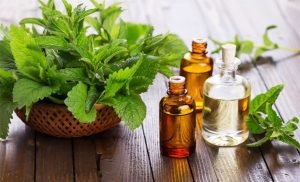
Tea Tree Essential Oil Tea tree oil is often referred to as “medicine cabinet in a bottle,” as it’s ..
-

13 surprising home remedies for acid reflux Before you reach for the heavy-duty, prescription-strength ..
-
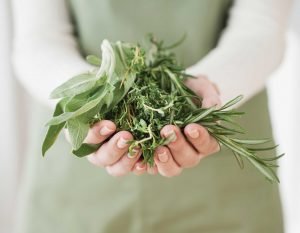
Great Burdock The root is used to treat ‘toxic overload’ that result in throat infections and skin ..