
-

1. Apples Are Nutritious A medium apple is equal to 1.5 cups of fruit. Two cups of fruit daily are recommended ..
-
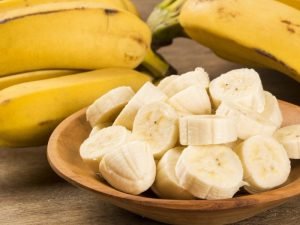
1.Bananas help overcome depression due to high levels of tryptophan, which is converted into serotonin ..
-
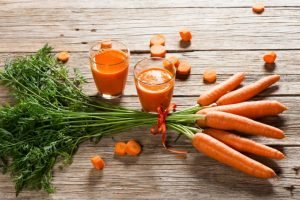
1. Beta carotene: Carrots are a rich source of this powerful antioxidant, which, among other vital uses, ..
-

Tinnitus in the ear can occur due to ear infections, various infections, perforation of the eardrum, ..
-
Comments Off on Pregnancy Calendar – Week 5 of Your Pregnancy

5-week pregnancy “Pregnancy calendar” at week 5: Your baby’s brain is developing. You may feel ..
-
Comments Off on Pregnancy Calendar – Week 4 of Your Pregnancy

4 weeks pregnancy “Pregnancy calendar” at 4th week: A miracle begins! Your baby, now consisting ..
-

Tips for Reducing Bloating After Eating Heavy or Fatty Meals
Bloating after a rich meal is common, especially when a large serve combines fatty meat, fried foods, creamy sauces, refined carbohydrates and fizzy drinks. The stomach may feel stretched, tight or uncomfortable, while gas and belching can become more noticeable as digestion slows. An occasional episode is usually harmless, but repeated or painful bloating deserves attention.
Australian eating habits can make this discomfort familiar. A weekend barbecue, a pub meal with chips, a meat pie on the run or a generous serving at a family gathering can all contain more fat and salt than the digestive system handles comfortably. A few gentle measures can support digestion after eating, while longer-term changes may reduce how often symptoms occur.
Why rich meals can trigger bloating
Fat takes longer to digest than carbohydrates and can delay the movement of food from the stomach into the small intestine. This slower emptying may create a heavy, overfull feeling for several hours. Large portions also physically stretch the stomach, and eating quickly can increase the amount of air swallowed.
Some meals contain several potential triggers at once. Onions, garlic, legumes, wheat-based foods and certain dairy products can produce gas in people who are sensitive to fermentable carbohydrates. Soft drinks, beer and sparkling water add swallowed gas, while salty takeaway food can encourage temporary fluid retention that feels like abdominal swelling.
Bloating is different from simply having a full stomach, although the sensations can overlap. Gas-related bloating may improve after passing wind or having a bowel movement. Indigestion may include burning, nausea, early fullness or discomfort high in the abdomen. Recognising the pattern can help identify whether portion size, food type, reflux or constipation is contributing.
Take a gentle walk after eating
Light movement is one of the simplest ways to ease post-meal discomfort. A relaxed 10- to 20-minute walk can encourage normal movement through the digestive tract and help gas pass. It does not need to be brisk exercise; walking around the block, through a shopping centre or along a local foreshore may be enough.
After a large barbecue in Melbourne, a meal in Sydney or a family lunch in regional Australia, try walking rather than immediately settling into a low chair or lying on the sofa. Upright posture may also reduce reflux, particularly when the meal included fried food, chilli, tomato-based sauces or alcohol.
Avoid vigorous exercise, running or repeated bending straight after eating. Heavy activity can worsen cramping, nausea or reflux when the stomach is full. Gentle movement is more suitable until the meal has had time to settle.
Sip fluids and choose soothing options
Small sips of water can help if a meal was salty or if you have not drunk enough during the day. Drinking a large amount quickly may add to the feeling of fullness, so take fluids gradually. Lukewarm water can be more comfortable than very cold drinks for some people, although personal tolerance varies.
Peppermint or ginger tea may soothe mild digestive discomfort for some adults. Peppermint can relax intestinal muscle and may help gas-related cramps, but it can aggravate heartburn or reflux. Ginger may help nausea, though concentrated supplements are different from a mild cup of tea and can interact with some medicines.
Avoid using carbonated drinks as a remedy for bloating. The bubbles can increase belching and abdominal pressure. Alcohol may also irritate the digestive tract and disrupt sleep, while large amounts of fruit juice can add fermentable sugars. Water is generally the most straightforward choice after a rich meal.
Adjust your position and eating pace
Remaining upright for at least two or three hours after a heavy meal may reduce reflux and pressure in the upper abdomen. If you need to rest, sit with your back supported rather than lying flat. Loosening tight waistbands can make a distended abdomen feel less restricted, although it will not change the digestive process itself.
Eating slowly at future meals can reduce swallowed air and make it easier to notice fullness before overeating. Put cutlery down between mouthfuls, chew thoroughly and pause before taking a second serving. This is particularly useful at buffets, celebrations and Australian pub meals, where large portions and quick eating can easily go unnoticed.
Try to avoid gulping through a straw, chewing gum continuously or talking rapidly while chewing if you are prone to excessive wind. These habits can increase air intake. If bloating regularly follows dairy, wheat, apples, pears or legumes, keep a brief food and symptom diary rather than removing many foods at once.
Use home remedies with care
A warm pack placed over the abdomen may relax tense muscles and provide comfort. Use a comfortably warm, not hot, temperature and protect the skin with a cloth. Gentle abdominal massage in a clockwise direction may also help some people, but stop if it causes pain, nausea or tenderness.
Pharmacists can advise about short-term products such as simeticone for trapped wind or an appropriate antacid when indigestion is the main symptom. These products do not suit every person and may not address the cause of persistent bloating. Read the label and mention regular medicines, pregnancy, allergies and existing health conditions.
Herbal remedies are not automatically risk-free. Peppermint may worsen reflux, liquorice can affect blood pressure and potassium, and some laxative teas can cause cramping or dependence when used repeatedly. Australian consumers can check medicine information through Healthdirect or speak with a local pharmacist before trying a supplement.
Prevent discomfort with meal planning
The most reliable way to reduce bloating after a fatty meal is to make the meal less heavy before discomfort begins. Serve a moderate portion of fried or fatty food alongside vegetables, salad, rice, potatoes or another tolerated source of carbohydrate. Eating slowly and stopping at comfortable fullness is more useful than trying to compensate afterwards with extreme restriction.
At a barbecue, choose a smaller piece of fatty meat and add corn, salad or grilled vegetables. If ordering takeaway, consider grilled food, sauce on the side and a smaller serving of chips. A meat pie or sausage roll does not have to be forbidden, but pairing it with water and avoiding several rich items in the same sitting may reduce the digestive load.
Fibre supports regular bowel movements, yet increasing it suddenly can produce more wind. Add vegetables, oats, fruit, wholegrain bread and legumes gradually, and drink enough water. If constipation is part of the pattern, regular walking and a consistent toilet routine may help. People with irritable bowel syndrome may need personalised advice about fermentable carbohydrates rather than a broad, restrictive diet.
Use the following habits to make heavy meals easier to tolerate:
- Eat a smaller first serving and wait several minutes before deciding whether you need more.
- Limit fizzy drinks, large amounts of beer and rapid alcohol consumption with rich food.
- Include a familiar vegetable or salad component instead of adding several fried sides.
- Keep a two-week record of meals, bowel habits, stress and symptoms.
- Increase fibre gradually rather than making a sudden switch to a very high-fibre diet.
- Ask a pharmacist or GP before using laxatives, digestive supplements or repeated antacids.
Know when bloating needs medical advice
Occasional bloating after overeating usually settles as digestion progresses. Arrange a GP appointment if symptoms are frequent, worsening or present even after ordinary-sized meals. Ongoing bloating may be associated with constipation, food intolerance, coeliac disease, reflux, irritable bowel syndrome or another condition that needs proper assessment.
Seek prompt medical care for severe or persistent abdominal pain, repeated vomiting, a swollen rigid abdomen, black or bloody stools, fever, yellowing of the skin, fainting or difficulty breathing. Urgent attention is also important if you cannot pass stool or wind and the abdomen is becoming increasingly distended.
Unintentional weight loss, loss of appetite, persistent diarrhoea or new bowel changes should not be dismissed as simple indigestion. In Australia, you can contact Healthdirect on 1800 022 222 for health advice, call emergency services on 000 for serious symptoms, or make an appointment with a GP. Pregnant people, older adults and anyone with a history of gastrointestinal disease should seek individual medical guidance sooner when symptoms are new or concerning.
Build a calmer digestive routine
Bloating is influenced by more than the amount of fat in one meal. Stress, poor sleep, constipation, menstrual changes, food intolerances and eating late at night can all affect gut comfort. A regular pattern of meals, adequate hydration and gentle daily activity may support digestion more effectively than relying on a quick remedy after every indulgent meal.
Notice which combinations cause trouble rather than labelling all rich foods as harmful. You may tolerate a modest serve of roast meat but react to creamy pasta, or manage cheese well but feel uncomfortable after a meal with fried food and beer. Identifying personal patterns allows a more flexible diet and reduces unnecessary food avoidance.
After a particularly heavy meal, aim for comfort rather than punishment: stay upright, take a gentle walk, sip water and allow time for digestion. If the same problem keeps returning, professional advice can help distinguish ordinary overeating from a food-related or medical issue.
-
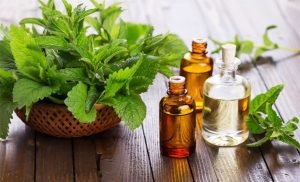
Tea Tree Essential Oil Tea tree oil is often referred to as “medicine cabinet in a bottle,” as it’s ..
-

13 surprising home remedies for acid reflux Before you reach for the heavy-duty, prescription-strength ..
-

Great Burdock The root is used to treat ‘toxic overload’ that result in throat infections and skin ..