
-
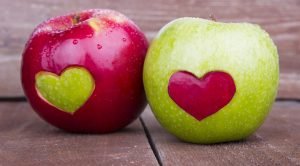
1. Apples Are Nutritious A medium apple is equal to 1.5 cups of fruit. Two cups of fruit daily are recommended ..
-
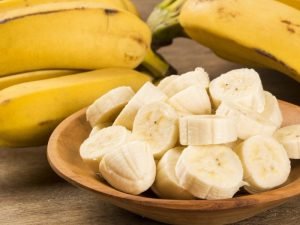
1.Bananas help overcome depression due to high levels of tryptophan, which is converted into serotonin ..
-
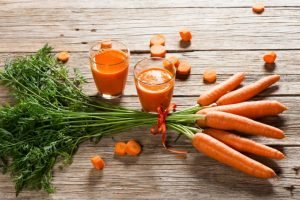
1. Beta carotene: Carrots are a rich source of this powerful antioxidant, which, among other vital uses, ..
-

Tinnitus in the ear can occur due to ear infections, various infections, perforation of the eardrum, ..
-
Comments Off on Pregnancy Calendar – Week 5 of Your Pregnancy

5-week pregnancy “Pregnancy calendar” at week 5: Your baby’s brain is developing. You may feel ..
-
Comments Off on Pregnancy Calendar – Week 4 of Your Pregnancy

4 weeks pregnancy “Pregnancy calendar” at 4th week: A miracle begins! Your baby, now consisting ..
-

Understanding Prebiotics and Probiotics for Better Gut Health
The digestive system is home to trillions of microorganisms, including bacteria, yeasts, and other microbes. Together, these organisms form the gut microbiome, a complex community that influences digestion, immune function, nutrient absorption, and bowel regularity. The balance of this community can be affected by diet, medication, stress, sleep, illness, and daily habits.
Prebiotics and probiotics are often mentioned together, yet they have different roles. Probiotics are live microorganisms that may provide health benefits when consumed in adequate amounts. Prebiotics are specific types of dietary fiber and carbohydrate compounds that feed helpful microbes already living in the digestive tract.
Understanding how these two support gut health can make food and supplement choices clearer. It can also help people recognize why a varied, fiber-rich diet is usually more valuable than relying on a single capsule or fermented food.
What Prebiotics Are
Prebiotics are substances that the body does not fully digest in the small intestine. They travel to the colon, where certain beneficial bacteria ferment them and use them as fuel. This process produces short-chain fatty acids, such as acetate, propionate, and butyrate, which support the intestinal environment.
Many prebiotics belong to a group of fibers called fermentable fibers. Examples include inulin, fructooligosaccharides, galactooligosaccharides, resistant starch, and certain plant fibers. These compounds are found naturally in foods such as onions, garlic, leeks, asparagus, chicory root, oats, barley, bananas, legumes, and cooked-then-cooled potatoes or rice.
Because prebiotics are a food source for gut bacteria, they do not add bacteria directly to the digestive system. Their role is closer to nourishing and encouraging particular microbial populations. However, individual responses can vary. A food that supports comfortable digestion for one person may cause gas or bloating in another, especially when introduced too quickly.
What Probiotics Do
Probiotics are live microorganisms that can offer a health benefit when the correct strain, dose, and product quality are present. Common probiotic groups include Lactobacillus, Bifidobacterium, and Saccharomyces boulardii. Each group contains different strains, and research findings for one strain cannot automatically be applied to every product carrying the same broad name.
Probiotic foods include yogurt with active cultures, kefir, kimchi, sauerkraut, miso, tempeh, and some fermented vegetables. The microorganisms in these foods can vary according to the ingredients, fermentation process, storage conditions, and whether the food was pasteurized after fermentation. Heat treatment can reduce or eliminate living cultures.
Probiotic supplements may be useful in specific situations, such as certain types of antibiotic-associated diarrhea, although the evidence depends on the strain and condition. They are not universal treatments for every digestive complaint. A supplement’s label should identify the microorganisms by genus, species, and strain when possible, along with the amount provided through the expiration date.
How They Work Together
Prebiotics and probiotics are connected because beneficial bacteria need suitable fuel to survive and multiply. Consuming fiber-rich plant foods may help support a diverse gut microbiome, while probiotic foods or supplements introduce selected live microorganisms. When these approaches are combined, they are sometimes described as a synbiotic strategy.
The relationship is more nuanced than simply pairing any prebiotic with any probiotic. A particular fiber may be used efficiently by some microbes but have little effect on others. Likewise, a probiotic strain may pass through the digestive tract without becoming a permanent resident. Its effects may be temporary, yet still useful in a specific circumstance.
A balanced eating pattern usually provides the most dependable foundation. Whole grains, beans, fruits, vegetables, nuts, seeds, and fermented foods contribute different fibers, plant compounds, and microorganisms. Gradually increasing variety can help the digestive system adjust and may support microbial diversity over time.
Key Differences at a Glance
The simplest distinction is that prebiotics feed selected gut microbes, while probiotics are live microbes consumed through food or supplements. Both are associated with digestive wellness, but their actions, sources, and practical uses differ.
Feature Prebiotics Probiotics What they are Nondigestible fibers or compounds used by gut microbes Live microorganisms that may benefit health Primary role Provide fuel for selected beneficial bacteria Add specific bacteria or yeasts to the digestive system Common food sources Garlic, onions, oats, beans, asparagus, bananas, chicory root Yogurt, kefir, kimchi, miso, tempeh, fermented vegetables Typical supplement forms Inulin, resistant starch, fructooligosaccharides Strain-specific capsules, powders, or fermented products Common digestive effect May improve stool bulk and regularity but can cause gas if increased rapidly May support certain conditions, with effects depending on strain and dose Main selection concern Tolerance, fiber amount, and gradual use Strain identity, evidence, storage, dose, and expiration date Neither category is automatically better. Someone who eats very little fiber may benefit from increasing plant foods before considering a prebiotic powder. Someone with a specific health concern may need professional guidance about whether a probiotic strain has been studied for that issue.
Food Sources That Support the Microbiome
A broad range of plant foods supplies different forms of dietary fiber. Beans and lentils provide fermentable carbohydrates and resistant starch. Oats and barley contain beta-glucan, a soluble fiber associated with digestive and metabolic benefits. Garlic, onions, and leeks provide fructan-type fibers, while slightly green bananas contain resistant starch.
Fermented foods can add live cultures when they have not been heat-treated after fermentation. Plain yogurt and kefir are convenient choices, but people who avoid dairy can consider fermented vegetables, tempeh, or miso. The nutritional value of a fermented food still matters: products high in added sugar or sodium may be less suitable for frequent consumption.
Food preparation also changes fiber. Cooking can soften plant cell walls, while cooling certain starchy foods can increase resistant starch. This does not mean every meal needs a special preparation method. Eating a mixture of fresh, cooked, whole-grain, and fermented foods is a practical way to create variety.
Increase fiber gradually and drink enough fluid unless a healthcare professional has advised fluid restriction. A sudden jump in beans, raw vegetables, or concentrated fiber supplements can produce abdominal pressure and gas. Smaller portions introduced over several days are often easier to tolerate.
Choosing Supplements Safely
Supplements can be useful when a clinician recommends them for a defined purpose, but marketing terms such as “gut cleanse,” “detox,” or “complete microbiome repair” do not establish effectiveness. Product quality can differ, and some supplements contain multiple strains without clear evidence that the combination is appropriate for the intended use.
People with weakened immune systems, serious illness, central venous catheters, severe pancreatitis, or major intestinal disease should consult a healthcare professional before taking probiotics. Infants, older adults with complex medical conditions, and people recovering from surgery may also need individualized advice. A prebiotic supplement can worsen bloating, abdominal pain, or diarrhea in sensitive individuals.
Useful habits when evaluating a product include:
- Identify the exact probiotic strain and the health concern it has been studied for.
- Check the number of live organisms guaranteed through the expiration date, rather than relying only on the amount at manufacture.
- Follow storage instructions, since some products require refrigeration and others do not.
- Begin with a modest amount of added fiber and increase it slowly according to tolerance.
- Stop a supplement and seek medical advice if it causes persistent symptoms, an allergic reaction, fever, or significant diarrhea.
A pharmacist, registered dietitian, or physician can help compare a product with medications and existing conditions. Supplements should complement a nourishing diet rather than replace medical treatment or a varied source of fiber.
When Digestive Symptoms Need Attention
Gas, mild bloating, and changes in bowel movements can occur when dietary fiber or fermented foods are introduced. These effects often improve as the body adapts, especially when portions are increased gradually. Persistent or severe symptoms should not automatically be attributed to an imbalance in gut bacteria.
Seek medical care for blood in the stool, black stools, unexplained weight loss, repeated vomiting, severe or worsening abdominal pain, dehydration, persistent fever, or diarrhea that does not resolve. A sudden change in bowel habits may have many causes, including infection, medication effects, inflammatory bowel disease, food intolerance, celiac disease, or colorectal conditions.
People with irritable bowel syndrome may be sensitive to certain fermentable carbohydrates, including some prebiotic fibers. A low-FODMAP eating plan can reduce symptoms for some individuals, but it is best conducted with qualified guidance so that unnecessary restrictions do not reduce fiber quality or nutritional balance.
Building a healthier gut routine usually starts with regular meals, sufficient fluids, physical activity, adequate sleep, and a diverse selection of minimally processed foods. Prebiotic fibers and probiotic foods can fit into that routine when chosen thoughtfully.
For a practical next step, add one fiber-rich food to a familiar meal, such as oats at breakfast, beans at lunch, or cooked vegetables at dinner. Introduce fermented foods in small portions and monitor how your body responds. When symptoms or medical conditions complicate the decision, use guidance from a qualified healthcare professional to select the safest approach.
-

Tea Tree Essential Oil Tea tree oil is often referred to as “medicine cabinet in a bottle,” as it’s ..
-

13 surprising home remedies for acid reflux Before you reach for the heavy-duty, prescription-strength ..
-

Great Burdock The root is used to treat ‘toxic overload’ that result in throat infections and skin ..