
-

1. Apples Are Nutritious A medium apple is equal to 1.5 cups of fruit. Two cups of fruit daily are recommended ..
-
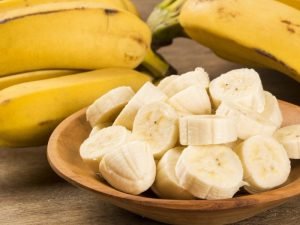
1.Bananas help overcome depression due to high levels of tryptophan, which is converted into serotonin ..
-
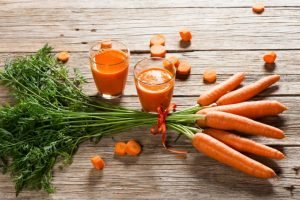
1. Beta carotene: Carrots are a rich source of this powerful antioxidant, which, among other vital uses, ..
-

Tinnitus in the ear can occur due to ear infections, various infections, perforation of the eardrum, ..
-
Comments Off on Pregnancy Calendar – Week 5 of Your Pregnancy

5-week pregnancy “Pregnancy calendar” at week 5: Your baby’s brain is developing. You may feel ..
-
Comments Off on Pregnancy Calendar – Week 4 of Your Pregnancy

4 weeks pregnancy “Pregnancy calendar” at 4th week: A miracle begins! Your baby, now consisting ..
-

Understanding Probiotics and Prebiotics for Better Gut Health
Probiotics and prebiotics are often mentioned together on yoghurt labels, supplement bottles and gut-health articles, but they are not the same thing. Probiotics are living microorganisms that may provide a health benefit when consumed in adequate amounts. Prebiotics are types of dietary fibre that beneficial gut microbes can use as fuel.
The distinction matters because the two support the digestive system in different ways. A probiotic product adds particular bacteria or yeasts to the gut, while a prebiotic food helps nourish microorganisms that are already present. Some foods contain both, creating a useful combination for everyday nutrition.
Gut health is influenced by much more than one capsule or serving of yoghurt. Fibre intake, sleep, physical activity, stress, medications and the overall pattern of eating all have a role. For Australians shopping at Coles, Woolworths, Aldi or a local grocer, ordinary foods can often provide a practical foundation before specialised products are considered.
What Probiotics And Prebiotics Actually Are
Probiotics are live bacteria or yeasts found in some fermented foods and dietary supplements. Common examples include strains from the Lactobacillus, Bifidobacterium and Saccharomyces groups. The word “strain” is important: two products may contain bacteria from the same broad family but have different effects because their individual strains and doses vary.
Prebiotics are usually non-digestible carbohydrates and fibres that pass through the upper digestive tract and are fermented by selected microbes in the large intestine. In this process, gut bacteria produce compounds such as short-chain fatty acids. These substances can support the intestinal lining and contribute to a healthy bowel environment.
A related term is synbiotic, which describes a product or food combining probiotics with a suitable prebiotic. This does not automatically make it superior. The specific organisms, fibre type, amount, storage conditions and quality of evidence all influence whether a product is likely to help.
How They Support The Digestive System
The gastrointestinal tract contains a complex community of bacteria, yeasts and other microorganisms known as the gut microbiota. It helps break down parts of food that human digestive enzymes cannot fully process. The microbiota also interacts with the intestinal barrier and immune system, although many claims about mood, weight loss and “detoxing” remain stronger in advertising than in clinical evidence.
Increasing prebiotic fibre gradually may improve stool bulk and regularity. Foods such as oats, legumes, onions and slightly green bananas can be fermented by gut microbes, while resistant starch in cooled potatoes or rice may also serve as a fermentable substrate. A sudden large increase, however, can cause gas, bloating or abdominal discomfort.
Probiotic benefits are more condition-specific. Certain preparations may reduce the risk of antibiotic-associated diarrhoea for some people, and selected strains may help with particular types of infectious diarrhoea or irritable bowel symptoms. Results cannot be transferred from one strain to every product carrying the word “probiotic”, and probiotics are not a universal treatment for constipation or digestive disease.
Signs That Your Fibre Intake May Need Attention
- Bowel movements are often hard, infrequent or difficult to pass.
- Meals contain little fruit, vegetables, legumes, wholegrains or nuts.
- You increase fibre quickly but do not drink enough fluid.
- Bloating persists, or bowel habits change without an obvious dietary reason.
A balanced eating pattern usually supplies a wider range of fibres than a single prebiotic powder. Australian adults are commonly advised to work towards roughly 25 to 30 grams of fibre a day, although individual needs differ. Water intake, movement and gradual dietary changes can make extra fibre easier to tolerate.
Food Sources That Fit Everyday Australian Eating
Prebiotic foods include garlic, onions, leeks, asparagus, chickpeas, lentils, kidney beans, oats, barley, apples and firm bananas. These foods contain different fibres, so variety is more useful than relying on one ingredient. Legumes can be added to soups, salads or a simple tomato-based meal, while oats are an easy breakfast option in cooler parts of Victoria, Tasmania or the Australian Capital Territory.
Resistant starch is another form of fermentable carbohydrate. When potatoes, pasta or rice are cooked and then cooled, some of their starch changes structure. A chilled potato salad, leftover rice used safely in a stir-fry, or overnight oats may therefore provide a different fibre profile from the same food eaten immediately after cooking. Cooked rice and other leftovers still need prompt refrigeration and safe reheating.
Probiotic foods include live-culture yoghurt, kefir, some fermented vegetables and certain fermented soy products. Check the label for “live cultures” or named organisms, and remember that heat treatment can destroy living microbes. Fermented food is not automatically probiotic in a clinically proven sense, but it can be a nutritious part of a varied diet.
In Australia, refrigerated yoghurt and kefir are widely available in supermarkets, health-food shops and some farmers’ markets. Product claims can vary, and a premium price does not prove greater benefit. Choose options that suit your nutritional needs, such as lower added sugar, and be cautious with unpasteurised products if pregnant or immunocompromised.
Simple Ways To Add More Helpful Fibre
- Stir oats, fruit and nuts into breakfast rather than relying on a sweetened “gut health” product.
- Add lentils, chickpeas or beans to casseroles, salads and wraps.
- Use garlic, onions, leeks and asparagus regularly when they suit your digestion.
- Try a small serving of live-culture yoghurt with fruit.
- Increase fibre over several days while maintaining adequate fluids.
People with irritable bowel syndrome may react to particular fermentable carbohydrates, including some foods high in fructans. A low-FODMAP approach can reduce symptoms for some individuals, but it is best used with an accredited practising dietitian so that unnecessary restrictions do not reduce fibre variety or nutritional quality.
Choosing A Supplement With Care
A probiotic supplement should state the genus, species and strain where possible, along with the number of live organisms expected through the expiry date. The label may list a dose in colony-forming units, often shortened to CFU. A larger CFU number is not automatically more effective; the appropriate amount depends on the strain and the health issue being studied.
Storage instructions deserve attention. Some products need refrigeration, while others are designed to remain stable at room temperature. Heat exposure in a delivery van, kitchen cupboard or beach bag may affect viability. Follow the product directions and check whether the packaging has been damaged or stored in unsuitable conditions.
In Australia, complementary medicines are regulated by the Therapeutic Goods Administration, although the level of pre-market evidence required can differ from that for prescription medicines. Look for an AUST L or AUST R number when relevant, but do not treat the presence of a registration number as proof that the product will solve every digestive complaint. A pharmacist can help compare ingredients, interactions and suitability.
Prebiotic powders may contain inulin, fructooligosaccharides, galactooligosaccharides, resistant starch or other fibres. Start with the recommended small dose rather than taking several products at once. Keeping a short record of symptoms, bowel pattern and food changes can make it easier to identify whether a product is useful or simply causing extra bloating.
Safety, Timing And When To Seek Help
For most healthy adults, probiotic foods and ordinary high-fibre foods are generally safe. Side effects from supplements can include gas, abdominal discomfort, loose stools or constipation. People with a severely weakened immune system, a central venous catheter, serious illness or recent major surgery should discuss probiotics with a doctor before using them, as rare bloodstream infections have been reported.
Pregnant people should take extra care with unpasteurised fermented products and herbal or multi-ingredient supplements. In Australia, pregnancy advice is available through a GP, midwife, pharmacist or services such as Healthdirect. A supplement should not replace medical assessment for persistent vomiting, dehydration, bleeding, fever or severe abdominal pain.
Antibiotics can alter the gut microbiota, and some people consider a probiotic during or after treatment. The best choice and timing depend on the antibiotic, the probiotic strain and the reason for treatment. If used, many products are taken a few hours apart from an antibiotic, but the label and advice from a pharmacist should guide the schedule.
Digestive symptoms that last for weeks should not be explained away as an imbalance in gut bacteria. Seek medical care for unexplained weight loss, blood or black stools, ongoing diarrhoea, repeated nighttime symptoms, anaemia, difficulty swallowing or a significant change in bowel habits. These signs require assessment rather than self-treatment with fibre or probiotics.
A practical routine is to build meals around vegetables, fruit, wholegrains, legumes, nuts and seeds, then include a suitable fermented food if desired. Add fibre slowly, drink enough fluid, stay active and use supplements for a specific reason rather than treating them as a substitute for a varied diet. Understanding the different roles of beneficial bacteria and fermentable fibre makes gut-health choices more informed and less dependent on marketing claims.
-

Tea Tree Essential Oil Tea tree oil is often referred to as “medicine cabinet in a bottle,” as it’s ..
-

13 surprising home remedies for acid reflux Before you reach for the heavy-duty, prescription-strength ..
-

Great Burdock The root is used to treat ‘toxic overload’ that result in throat infections and skin ..