
-

1. Apples Are Nutritious A medium apple is equal to 1.5 cups of fruit. Two cups of fruit daily are recommended ..
-

1.Bananas help overcome depression due to high levels of tryptophan, which is converted into serotonin ..
-
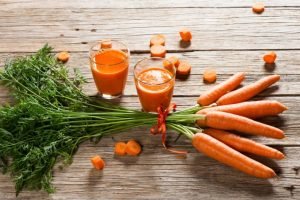
1. Beta carotene: Carrots are a rich source of this powerful antioxidant, which, among other vital uses, ..
-

Tinnitus in the ear can occur due to ear infections, various infections, perforation of the eardrum, ..
-
Comments Off on Pregnancy Calendar – Week 5 of Your Pregnancy

5-week pregnancy “Pregnancy calendar” at week 5: Your baby’s brain is developing. You may feel ..
-
Comments Off on Pregnancy Calendar – Week 4 of Your Pregnancy

4 weeks pregnancy “Pregnancy calendar” at 4th week: A miracle begins! Your baby, now consisting ..
-

Understanding the Health Benefits of Eating More Mushrooms
Mushrooms occupy an interesting place in everyday nutrition. They are neither fruit nor vegetable in biological terms, but they are commonly prepared like vegetables and can add savoury flavour, texture and useful nutrients to meals. From familiar white button mushrooms to shiitake, oyster, enoki and Swiss brown varieties, they offer plenty of culinary variety without adding much energy.
Eating more mushrooms can support a balanced diet through their fibre, B vitamins, minerals and naturally occurring antioxidant compounds. Their nutritional value varies according to the species, growing conditions, exposure to ultraviolet light and method of cooking. They work best as part of a broad eating pattern that includes vegetables, legumes, wholegrains, fruit, nuts and adequate sources of protein.
For Australians, mushrooms are easy to find in supermarkets, greengrocers and farmers’ markets in cities such as Sydney, Melbourne, Brisbane and Adelaide. They suit familiar meals including breakfast on toast, pasta, stir-fries, soups and barbecue sides. Fresh, canned and dried forms can all be useful, although each has different storage, sodium and preparation considerations.
What Makes Mushrooms Nutritionally Valuable
Mushrooms are generally low in kilojoules and fat while providing a modest amount of protein and dietary fibre. The fibre includes beta-glucans and other compounds that can contribute to digestive health and help make meals more filling. They are especially useful when replacing some meat in a dish, because their firm texture and umami flavour can make a meal feel satisfying without relying entirely on processed or fatty ingredients.
Common edible mushrooms supply B-group vitamins such as riboflavin, niacin and pantothenic acid. These nutrients help the body release energy from food and support normal nervous system function. Mushrooms also contain minerals including selenium, copper, potassium and phosphorus, although the exact amounts differ between varieties and brands.
Vitamin D deserves a careful explanation. Mushrooms exposed to ultraviolet light can contain meaningful amounts of vitamin D2, while ordinary indoor-grown mushrooms may contain little. Packaging should indicate whether a product has been treated with UV light. They cannot automatically replace sunlight, fortified foods or supplements when a person has a diagnosed deficiency.
The antioxidant ergothioneine is another reason mushrooms attract nutritional interest. Early research suggests it may help protect cells from oxidative stress, but scientists are still clarifying how much dietary ergothioneine is needed and what long-term effects it produces. A healthy food can be valuable without every proposed benefit being treated as proven medicine.
Potential Benefits For Heart And Metabolic Health
Replacing some foods high in saturated fat with mushrooms may support a heart-friendly eating pattern. Mushrooms themselves contain very little saturated fat, and their savoury taste can help reduce dependence on fatty meats, creamy sauces or heavily salted flavourings. The benefit comes mainly from the overall substitution and meal pattern rather than from mushrooms acting as a treatment for heart disease.
Their potassium content may also contribute to a diet that supports healthy blood pressure, particularly when mushrooms are prepared with other minimally processed foods. Fresh mushrooms are naturally low in sodium, but canned varieties, sauces and seasoning packets can contain considerably more. Rinsing canned mushrooms and checking the nutrition panel can help reduce excess salt.
Some studies have explored mushrooms, cholesterol metabolism and blood glucose regulation, with beta-glucans and other bioactive compounds receiving particular attention. Results are promising in some areas but do not justify claims that mushrooms prevent diabetes or lower cholesterol on their own. People managing diabetes, high cholesterol or cardiovascular disease should follow advice from their GP or accredited practising dietitian.
Research into inflammation is also developing. Compounds in mushrooms may influence immune signalling, but laboratory findings do not mean that eating a serving will treat an inflammatory condition. The relationship between immune messengers and symptoms is complex, as illustrated by ongoing discussion of inflammation research. Mushrooms can contribute to a nutritious diet, but they should not replace prescribed care.
Supporting Digestion And Everyday Immunity
The fibre in mushrooms can support regular bowel function and help nourish the community of microorganisms living in the gut. Fibre intake is often low when meals rely heavily on refined grains and highly processed foods. Adding mushrooms alongside beans, lentils, oats, vegetables and wholegrain bread can help build a more varied source of fermentable plant material.
Cooking changes the texture and digestibility of mushrooms, making them easier to incorporate into meals. Sautéed mushrooms can be folded through an omelette, mixed with lentils for burger patties or added to a vegetable stir-fry. A soup containing mushrooms, barley and legumes provides more fibre and protein than mushrooms served alone.
The immune system requires adequate energy, protein, vitamins and minerals rather than one “immune-boosting” ingredient. Mushrooms contribute copper, selenium and B vitamins, which have roles in normal immune function, but their effects should be viewed within the context of the whole diet. Sleep, physical activity, vaccination and management of chronic conditions remain important influences on health.
Some medicinal mushroom products, such as powders and concentrated extracts made from reishi, turkey tail or cordyceps, are marketed with much stronger claims than ordinary food mushrooms. Evidence and product quality vary, and supplements can interact with medicines or be unsuitable during pregnancy, breastfeeding or before surgery. A pharmacist or doctor can help assess a product, especially when it is promoted for immunity, cancer or inflammation.
Practical Ways To Add More Mushrooms
Mushrooms absorb flavours well, so they can be used in familiar Australian meals without requiring elaborate recipes. Slice button or Swiss brown mushrooms into scrambled eggs, add oyster mushrooms to noodles, or roast large flat mushrooms with herbs as a side dish. Their umami taste can make reduced-meat meals more appealing for households trying to eat more plant foods.
At an Australian barbecue, thick mushroom caps can be cooked alongside corn, capsicum and lean proteins. In winter, mushrooms fit naturally into casseroles and soups, while in warmer weather they can be served in grain salads after cooking and cooling. Farmers’ markets may offer locally grown varieties, but unusual species should come with clear identification and storage advice.
- Add sliced mushrooms to eggs, toast, pasta or rice dishes.
- Combine chopped mushrooms with lentils or minced meat for a moist filling.
- Use roasted mushrooms in salads, wraps and grain bowls.
- Choose UV-exposed products when seeking dietary vitamin D.
- Compare sodium levels in canned, marinated and flavoured products.
The best portion depends on the meal and the person’s overall dietary needs. Mushrooms can replace part of a meat portion, bulk out a vegetable dish or provide extra texture in a sauce. They should not be treated as a complete protein source because their amino acid profile and protein quantity are different from those of meat, eggs, dairy, tofu or legumes.
Safe Buying, Cooking And Storage
Buy mushrooms that are firm, dry to the touch and free from strong odours, excessive slime or extensive bruising. Store them according to package instructions, usually in the refrigerator, and avoid sealing fresh mushrooms in an airtight plastic bag if condensation is likely to build up. A paper bag or ventilated container can help maintain quality, while damaged mushrooms should be discarded.
Most commercially sold mushrooms are safe to eat when handled correctly. Brush or wipe away visible soil and rinse briefly when necessary, then dry them before cooking. Cooking improves texture and reduces certain naturally occurring compounds. It also makes mushrooms more enjoyable for many people than eating them raw.
- Cook fresh mushrooms until tender and steaming hot.
- Refrigerate cooked leftovers promptly in a shallow container.
- Use dried mushrooms by soaking them thoroughly and cooking them well.
- Check canned mushrooms for added salt and drain before use.
- Follow package directions for cultivated specialty varieties.
Never eat a wild mushroom unless it has been identified with complete confidence by a qualified expert. Australia has poisonous species that can resemble edible mushrooms, and cooking, drying or soaking does not reliably remove all toxins. Bushwalking, gardening and mushroom foraging can create particular risks after rain, when fungi appear in parks, forests and suburban gardens.
Food Standards Australia New Zealand sets food safety standards for foods sold in Australia and New Zealand, while state and territory authorities oversee many local food-safety matters. Commercially packaged mushrooms should carry appropriate labelling, but a label cannot make an unknown wild mushroom safe. Keep raw mushrooms, preparation surfaces and cooked meals separate from contaminants, and take symptoms such as severe vomiting, abdominal pain, confusion or jaundice after mushroom consumption seriously.
Choosing Varieties For Different Health Goals
White button and Swiss brown mushrooms are versatile, affordable choices for regular meals. Shiitake provides a deeper flavour and a meaty texture, while oyster mushrooms cook quickly and work well in stir-fries. Enoki should be handled carefully and cooked thoroughly, particularly for people who are vulnerable to foodborne illness.
Dried shiitake and other dried varieties have an intense flavour and can be stored for longer. Their soaking liquid can be strained and used in soups or sauces, though it should not be used if the mushrooms contain visible grit. Canned mushrooms are convenient for pizza, casseroles and pantry meals, but fresh varieties often provide a firmer texture and less sodium.
For people with allergies or sensitivities, symptoms may include itching, swelling, digestive upset or breathing difficulty. Shiitake can occasionally cause a distinctive skin reaction when eaten raw or insufficiently cooked. Anyone who develops serious allergic symptoms needs urgent medical attention, and recurring mild reactions warrant professional assessment rather than repeated home testing.
Mushrooms are nutritious additions, not miracle foods. Their greatest value comes from making meals more varied, fibre-rich and satisfying while helping people reduce reliance on heavily processed ingredients. Regularly including well-cooked commercial mushrooms alongside vegetables, legumes, wholegrains and appropriate protein sources is a practical way to strengthen an everyday Australian diet.
-

Tea Tree Essential Oil Tea tree oil is often referred to as “medicine cabinet in a bottle,” as it’s ..
-

13 surprising home remedies for acid reflux Before you reach for the heavy-duty, prescription-strength ..
-

Great Burdock The root is used to treat ‘toxic overload’ that result in throat infections and skin ..