
-

1. Apples Are Nutritious A medium apple is equal to 1.5 cups of fruit. Two cups of fruit daily are recommended ..
-
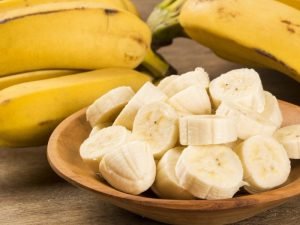
1.Bananas help overcome depression due to high levels of tryptophan, which is converted into serotonin ..
-
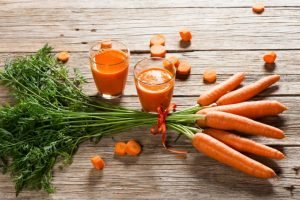
1. Beta carotene: Carrots are a rich source of this powerful antioxidant, which, among other vital uses, ..
-

Tinnitus in the ear can occur due to ear infections, various infections, perforation of the eardrum, ..
-
Comments Off on Pregnancy Calendar – Week 5 of Your Pregnancy

5-week pregnancy “Pregnancy calendar” at week 5: Your baby’s brain is developing. You may feel ..
-
Comments Off on Pregnancy Calendar – Week 4 of Your Pregnancy

4 weeks pregnancy “Pregnancy calendar” at 4th week: A miracle begins! Your baby, now consisting ..
-
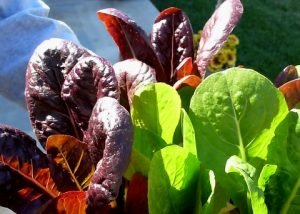
How antioxidants support healthy ageing and disease prevention
The body is in a constant conversation with its environment, processing food, repairing tissue, and neutralising the by-products of normal metabolism. Among the most important players in that quiet daily work are antioxidants — molecules that protect cells from damage caused by free radicals. When this protective system falls behind, oxidative stress builds up and contributes to many of the chronic conditions Australians face as they grow older.
Free radicals are unstable molecules with an unpaired electron, which makes them react readily with nearby structures such as proteins, lipids, and DNA. Antioxidants neutralise them by donating an electron, effectively defusing the threat. Common antioxidants include vitamin C, vitamin E, beta-carotene, selenium, glutathione, and a wide family of plant compounds called polyphenols. Each works in slightly different ways and in different parts of the body, which is why a varied diet matters more than any single nutrient.
In Australia, where outdoor living is part of daily life and UV exposure is high, the question of how to defend cells against oxidative wear becomes particularly relevant. From the beaches of Sydney to weekend hikes in the Adelaide Hills, Australians spend substantial time in the sun, and UV radiation is itself a powerful driver of free radical formation. Combined with busy work culture in cities like Melbourne and Brisbane, where takeaway lunches often crowd out fresh produce, the need for a steady supply of antioxidants is more than a passing wellness trend.
This piece explores what antioxidants really do at the cellular level, how they influence the visible and invisible signs of ageing, and what the evidence says about their role in preventing conditions such as heart disease, type 2 diabetes, and cognitive decline. It also looks at where Australians can find these compounds in everyday foods, from native bush fruits to supermarket staples, and clears up common misconceptions about supplements sold over the counter.
How oxidative stress develops inside the body
Every breath of air brings oxygen into the lungs, where it binds to haemoglobin and travels to cells to help produce energy. A small fraction of that oxygen escapes as reactive oxygen species, often shortened to ROS. These are normal by-products of energy production, and the body has a built-in antioxidant system that includes enzymes such as superoxide dismutase, catalase, and glutathione peroxidase. Problems begin when ROS production outpaces the body's ability to mop them up.
External factors can tip the balance further. Cigarette smoke, alcohol, air pollution, processed meats, refined sugars, and intense exercise all contribute to free radical load. In Australia, the sun remains one of the largest external contributors. UV radiation increases ROS in skin cells, accelerating photoageing and raising long-term skin cancer risk. Even moderate exposure during a long lunch at a Perth café or a morning run along the Yarra can add to cumulative oxidative load over years.
When free radicals outnumber antioxidants, lipids in cell membranes become damaged, proteins lose their shape, and DNA strands can break. Mitochondria, the energy-producing centres inside cells, are especially vulnerable because they sit closest to where ROS are generated. Over time, this damage accumulates, and many researchers see it as a key driver of ageing itself — a theory known as the free radical theory of ageing, first proposed in the 1950s and refined many times since.
Antioxidants and the biology of ageing
Ageing shows on the skin first for most people, and antioxidants play a real role in how the skin holds up. Vitamin C is required for the synthesis of collagen, the protein that keeps skin firm and supple, and it also helps recycle vitamin E after the latter has neutralised a free radical in a cell membrane. Vitamin E, found in nuts, seeds, and plant oils, is fat-soluble and sits inside membranes to protect them. Topical formulations containing both have been studied for their ability to soften fine lines and improve skin texture, with mixed but generally promising results.
Beyond the mirror, antioxidants influence the deeper processes of ageing. Telomeres, the protective caps at the ends of chromosomes, shorten with each cell division and are sensitive to oxidative stress. Some observational studies suggest that people with higher intakes of carotenoids and vitamin E have longer telomeres, hinting that antioxidant-rich diets may slow cellular ageing at its source. Polyphenols from green tea, berries, and dark grapes activate cellular defence pathways, switching on the body's own antioxidant enzymes rather than acting as antioxidants themselves.
Brain ageing is another area of active research. The brain consumes around 20 per cent of the body's oxygen despite making up only about 2 per cent of body weight, which means it generates a large share of free radicals. Flavonoids found in blueberries, citrus, and even Australian-grown finger limes appear to cross the blood-brain barrier and may help protect neurons from oxidative damage. Population studies link diets rich in flavonoids with slower cognitive decline, though it is difficult to separate the antioxidant effect from the broader benefits of a plant-rich diet.
Reducing the risk of chronic disease
Cardiovascular disease remains a leading cause of death in Australia, and the evidence for antioxidant-rich diets in heart protection is among the strongest in nutrition science. The landmark Mediterranean diet studies, which feature olive oil, nuts, vegetables, and fruit, consistently show reductions in heart attack and stroke risk. The mechanisms go beyond simple free radical scavenging: polyphenols improve endothelial function, reduce inflammation, and help keep LDL cholesterol from becoming oxidised — a key step in the formation of artery-clogging plaques.
Type 2 diabetes, which affects more than a million Australians, is also linked to oxidative stress. Persistent high blood sugar drives ROS production through several biochemical pathways, damaging small blood vessels and nerves over time. Diets high in polyphenols and carotenoids, such as those found in sweet potatoes, tomatoes, leafy greens, and berries, appear to improve insulin sensitivity and reduce markers of inflammation. Official Australian Dietary Guidelines encourage two serves of fruit and five serves of vegetables a day, partly because of these protective effects.
Cancer risk is more complicated. Antioxidants do not prevent cancer by themselves, and large trials of high-dose beta-carotene or vitamin E supplements have sometimes shown harm, particularly among smokers. What the evidence does support is the idea that a diet rich in whole plant foods is associated with lower risks of several cancers, including colorectal, breast, and prostate cancers. The protective effect appears to come from the combination of fibre, vitamins, minerals, and phytochemicals working together — a synergy that no pill fully reproduces.
Where to find antioxidants in the Australian food supply
Australia grows an impressive range of antioxidant-rich produce, both introduced and native. The Kakadu plum, a small green fruit from the Northern Territory, holds the world record for vitamin C content, with up to 5,000 milligrams per 100 grams of fresh weight. It is increasingly sold as a powder or in juices in health food shops and farmers' markets. Finger limes, sometimes called citrus caviar, are grown along the east coast and offer a tangy burst of vitamin C and polyphenols. Macadamia nuts, native to Queensland, are rich in vitamin E and monounsaturated fats.
Mainstream Australian produce is also worth attention. Blueberries from Coffs Harbour, avocados from the Atherton Tablelands, beetroot from the Huon Valley in Tasmania, and pomegranate from inland growing regions all provide solid antioxidant content. Stone fruit in summer, citrus in winter, and brassicas such as broccoli, kale, and Brussels sprouts all year round give plenty of variety. Australians shopping at chains such as Coles or Woolworths will find most of these in season, while local farmers' markets in places like Paddy's Markets in Sydney, the Queen Victoria Market in Melbourne, or Mindil Beach Market in Darwin offer freshly picked alternatives.
Coffee deserves a brief mention. Australians drink around 1.9 kilograms of coffee per person a year, and coffee beans are among the most antioxidant-rich foods consumed locally. Brewed coffee contains chlorogenic acids and other polyphenols that contribute to its protective effects. Green tea, herbal infusions such as lemon myrtle and native peppermint, and a moderate glass of red wine for those who drink add to the day's antioxidant tally. Water, the simplest habit, supports every detoxification pathway the body relies on to clear oxidative by-products.
Supplements, claims, and Australian regulations
Walking into an Australian pharmacy or health food store reveals shelves stacked with antioxidant capsules, powders, and fortified drinks. Many promise benefits that go far beyond what the evidence supports, and the Therapeutic Goods Administration (TGA), the federal regulator responsible for complementary medicines, has tightened rules around these claims over the past decade. Listed medicines, the category most supplements fall under, can only make general health claims and must hold evidence to support them, though the bar is lower than for prescription medicines.
High-dose single-nutrient supplements have disappointed in large trials. The SELECT trial, for example, found that selenium and vitamin E, taken alone or together, did not prevent prostate cancer and vitamin E alone was linked to a small rise in prostate cancer risk. Beta-carotene supplements increased lung cancer risk in smokers in earlier trials. These findings do not mean antioxidants are useless; they suggest that isolating one nutrient in pill form can miss the synergy of whole foods and sometimes interfere with natural balance.
For most Australians, the practical approach is food first. Supplements may be useful in specific situations, such as folate in early pregnancy, vitamin D for people with limited sun exposure, or vitamin B12 for those on a strictly plant-based diet. Anyone considering an antioxidant supplement, particularly if they take prescription medication or have a chronic condition, should speak with their GP or an accredited practising dietitian. For readers wanting tailored guidance, you can contact our editorial team for referrals to qualified Australian practitioners.
Practical ways to lift your daily antioxidant intake
Small, consistent changes tend to work better than dramatic overhauls.
- Keep a bowl of berries on the kitchen bench and add them to breakfast, yoghurt, or salads. Australian blueberries, raspberries, and strawberries are all good sources of anthocyanins and vitamin C.
- Swap refined snacks for a small handful of mixed nuts and seeds — almonds, walnuts, sunflower seeds, and pepitas deliver vitamin E and selenium.
- Aim for colour at every meal. Orange, red, purple, and dark green vegetables each carry different carotenoids and polyphenols.
- Brew green tea or herbal infusions such as lemon myrtle as an afternoon alternative to sugary drinks or extra coffee.
- Include a piece of fruit with skin on where possible, since much of the polyphenol content sits just beneath the peel. Apples, pears, and stone fruit all qualify.
- Cook with extra virgin olive oil for dressings and low-heat cooking, and add a sprinkle of herbs and spices such as turmeric, oregano, and cinnamon — all antioxidant-rich and commonly used in Australian kitchens.
- Plan meals around what is in season and local. Buying from Australian growers, including Indigenous-owned enterprises selling native foods, supports both freshness and shorter supply chains.
-
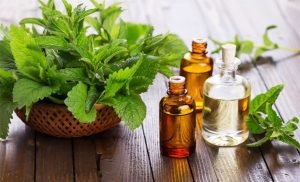
Tea Tree Essential Oil Tea tree oil is often referred to as “medicine cabinet in a bottle,” as it’s ..
-

13 surprising home remedies for acid reflux Before you reach for the heavy-duty, prescription-strength ..
-
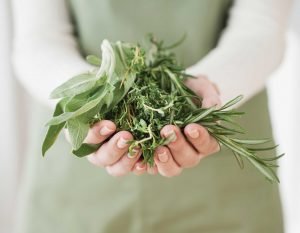
Great Burdock The root is used to treat ‘toxic overload’ that result in throat infections and skin ..