
-

1. Apples Are Nutritious A medium apple is equal to 1.5 cups of fruit. Two cups of fruit daily are recommended ..
-

1.Bananas help overcome depression due to high levels of tryptophan, which is converted into serotonin ..
-

1. Beta carotene: Carrots are a rich source of this powerful antioxidant, which, among other vital uses, ..
-

Tinnitus in the ear can occur due to ear infections, various infections, perforation of the eardrum, ..
-
Comments Off on Pregnancy Calendar – Week 5 of Your Pregnancy

5-week pregnancy “Pregnancy calendar” at week 5: Your baby’s brain is developing. You may feel ..
-
Comments Off on Pregnancy Calendar – Week 4 of Your Pregnancy

4 weeks pregnancy “Pregnancy calendar” at 4th week: A miracle begins! Your baby, now consisting ..
-

Chamomile for digestion and calm: a practical guide
For generations, chamomile has been the quiet companion of people seeking calmer evenings and easier digestions. In Australian homes, the herb shows up in pantry jars, garden beds in Tasmania and Victoria, and on the shelves of every major supermarket from Woolworths to Coles. Its reputation crosses cultures, but the way it fits into daily life here - alongside flat whites in Melbourne laneway cafés and bush surrounds in regional NSW - gives it a distinctly local flavour. This guide walks through how chamomile supports digestive comfort, how it helps the body and mind unwind, and the practical ways Australians are brewing it today.
Chamomile (Matricaria chamomilla, sometimes called German chamomile, or Chamaemelum nobile, the Roman variety) is a daisy-family herb that contains a complex mix of volatile oils, flavonoids, and coumarins. Two compounds in particular - apigenin and bisabolol - draw the attention of researchers and herbalists because of their documented anti-inflammatory and antispasmodic effects on smooth muscle. When brewed as a tea, these constituents extract readily into hot water, which is why a simple cup has historically been the most accessible way to enjoy the plant's benefits.
Understanding chamomile and its traditional role
Chamomile's use stretches back to ancient Egyptian, Greek, and Roman physicians, who prescribed it for fevers, women's complaints, and stomach upsets. Monks carried it across medieval Europe, and by the time settlers arrived in Australia in the late eighteenth century, the plant was already a household remedy. Early Australian botanical gardens in Sydney and Melbourne grew chamomile alongside other medicinal herbs, and dried flowers travelled inland with stockmen, drovers, and bush nurses who relied on simple herbal preparations in remote areas.
In modern Australian complementary medicine, chamomile holds a respected place. It appears in the Therapeutic Goods Administration's listed medicines, and Australian naturopaths and Western herbalists regularly incorporate it into protocols for gastrointestinal and nervous-system support. The herb carries a low risk profile, is widely available, and works well as a base for blends. This combination of tradition, regulation, and accessibility explains why chamomile has remained a staple in Australian wellness culture, even as newer supplements come and go.
A defining feature of chamomile is how gently it acts on the body. Unlike strong pharmaceutical options, it does not strip the gut of its natural flora or leave the nervous system feeling flat the next morning. Many people describe its effects as "softening" rather than sedating, which is part of why it has kept a loyal following among those who prefer subtle, plant-based approaches.
Soothing an unsettled stomach
Digestive complaints are common across the country, from the bloating that follows a heavy pie at the footy to the queasiness that can come with a long-haul flight into Sydney Airport. Chamomile has long been turned to for relief of these everyday upsets because it acts on several parts of the digestive system at once. The herb encourages the release of digestive juices, which helps break down food more efficiently, while its antispasmodic action relaxes the muscular walls of the intestines, easing cramps and reducing the sensation of trapped wind.
Australian herbalists frequently recommend chamomile alongside peppermint or fennel for irritable bowel symptoms, particularly when stress appears to aggravate the gut. The flower is also useful after rich meals, which is why finishing a Sunday roast with a small pot of chamomile infusion has become a tradition in some households. For travellers prone to motion sickness on winding Great Ocean Road drives, sipping cooled chamomile tea before setting off can settle the stomach without the drowsiness that comes with stronger pharmaceutical options.
Children and older adults, who can be more sensitive to conventional antacids, often tolerate chamomile well when prepared as a weak infusion. Many Australian parents keep a stash of dried flowers on hand for tummy aches, while aged-care facilities in Adelaide and Brisbane have started incorporating chamomile tea rounds into evening routines to support digestive comfort alongside better sleep.
The chemistry of calm
Relaxation is where chamomile's reputation is strongest, and the science behind it is more developed than many people realise. Apigenin binds to benzodiazepine receptors in the brain, producing a mild sedative effect that is far gentler than prescription sleep medication. Unlike alcohol or heavy pharmaceutical sedatives, chamomile does not blunt the sleep cycle the same way, and most users wake feeling clearer rather than groggy.
Australian sleep researchers have noted a steady rise in interest around herbal sleep aids, particularly in urban centres where screen time, late work emails, and shift work disrupt natural rhythms. While chamomile is not a cure for chronic insomnia, evidence suggests it shortens the time taken to fall asleep and improves overall sleep quality for people with mild restlessness. In regional areas, where farming and hospitality schedules can make restful nights elusive, chamomile tea before bed is often recommended by community pharmacists as a first step before stronger interventions.
The relaxation effect extends beyond sleep. Chamomile has been studied for anxiety reduction, with several trials showing meaningful reductions in generalised anxiety scores after consistent use over four to eight weeks. Tinctures, essential oils for diffusers, and chamomile-infused baths offer different routes to the same outcome, depending on personal preference and how quickly the body responds.
Brewing chamomile the Australian way
Chamomile is widely available across the country, with brands like Twinings, Dilmah (originally from Sri Lanka but manufactured locally at sites including Keysborough in Victoria), and heritage labels stocked at Chemist Warehouse and Priceline. Loose dried flowers from local growers can be found at farmers' markets in the Adelaide Hills, Byron Bay, and the Yarra Valley, where small-scale herbalists often sell hand-harvested bunches during the warmer months.
To make a therapeutic cup, one tablespoon of dried flowers per 250 ml of just-boiled water is a good starting point. Covering the cup while it steeps keeps the volatile oils from escaping, and ten minutes is generally long enough to draw out the beneficial compounds. Adding a slice of fresh ginger or a small spoon of local Manuka honey can complement the digestive benefits, though chamomile on its own is gentle enough to enjoy plain.
Australians with herb gardens often plant chamomile as a ground cover in full sun, where it thrives in well-drained soil. Roman chamomile in particular suits the cooler climate of Tasmania and the elevated areas of the Southern Highlands. Fresh flowers can be picked, lightly bruised, and steeped straight from the plant, giving a brighter flavour than shop-bought dried varieties. For those who prefer convenience, chamomile teabags remain a reliable option, and the Australian market now stocks organic and fair-trade certified versions in most supermarkets.
Mindful use and everyday integration
Chamomile is generally recognised as safe by the Therapeutic Goods Administration and appears in many listed complementary medicines sold locally. Still, there are sensible precautions worth keeping in mind. People with known allergies to plants in the Asteraceae family - which includes ragweed, daisies, and marigolds - may react to chamomile and should start with a very small amount. Pregnant women are typically advised to use chamomile in culinary amounts rather than concentrated medicinal doses, and those on blood-thinning medication should consult a pharmacist, as coumarins in the plant can have a mild anticoagulant effect.
For Australians looking to weave chamomile into a broader wellness routine, the herb pairs naturally with habits already common in the culture: an afternoon cuppa during a work break, a post-dinner wind-down in place of a second glass of wine, or a soothing drink during the long summer evenings when the heat makes sleep harder to find. Some people combine chamomile with lavender essential oil in a bedroom diffuser, or use cooled chamomile tea as a gentle skin toner after sun exposure, a popular practice along the Queensland coast.
The simplest integration is often the most effective. Choosing a consistent time of day - perhaps after the evening meal, when digestion is active and the body begins preparing for rest - turns chamomile from an occasional remedy into a quiet ritual. Over weeks, the cumulative effect of this small habit tends to be more noticeable than any single cup.
Pairing this kind of slow, sensory ritual with other forms of mindful leisure has become a common recommendation from Australian wellness coaches. While a chamomile infusion works on the body, the surrounding atmosphere matters too: dim lighting, a comfortable chair, and time set aside from screens all amplify the calming effect. Some people enjoy quiet pastimes alongside the tea, including light puzzles, slow reading, or free online entertainment that does not demand much mental bandwidth, giving the mind a gentle focal point without raising stress levels.
Used consistently and thoughtfully, chamomile offers Australians an accessible, affordable, and well-tolerated way to support both gut comfort and emotional calm. It does not replace medical care for serious digestive conditions or chronic anxiety, but as part of a balanced lifestyle - one that includes good food, movement, and genuine rest - it remains one of the most quietly powerful plants in the herbal tradition.
-

Tea Tree Essential Oil Tea tree oil is often referred to as “medicine cabinet in a bottle,” as it’s ..
-

13 surprising home remedies for acid reflux Before you reach for the heavy-duty, prescription-strength ..
-
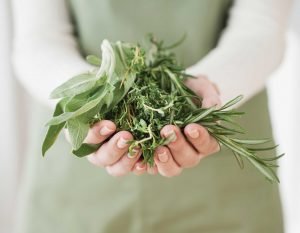
Great Burdock The root is used to treat ‘toxic overload’ that result in throat infections and skin ..