
-

1. Apples Are Nutritious A medium apple is equal to 1.5 cups of fruit. Two cups of fruit daily are recommended ..
-

1.Bananas help overcome depression due to high levels of tryptophan, which is converted into serotonin ..
-

1. Beta carotene: Carrots are a rich source of this powerful antioxidant, which, among other vital uses, ..
-

Tinnitus in the ear can occur due to ear infections, various infections, perforation of the eardrum, ..
-
Comments Off on Pregnancy Calendar – Week 5 of Your Pregnancy

5-week pregnancy “Pregnancy calendar” at week 5: Your baby’s brain is developing. You may feel ..
-
Comments Off on Pregnancy Calendar – Week 4 of Your Pregnancy

4 weeks pregnancy “Pregnancy calendar” at 4th week: A miracle begins! Your baby, now consisting ..
-

Using Lavender for Relaxation and Better Sleep
Lavender has a long history in traditional wellness practices, where its soft floral scent has been used to create a calmer atmosphere. Today, lavender essential oil, dried flowers, herbal tea, sachets, and bath products are commonly used as part of bedtime routines. Many people find the aroma comforting, especially when stress or an active mind makes it difficult to settle down.
Research on lavender and sleep is promising but still developing. Aromatherapy may help some people feel more relaxed and may support improved sleep quality, particularly when it is combined with consistent sleep habits. It should be viewed as a gentle wellness aid rather than a treatment for insomnia, anxiety disorders, or other medical conditions.
The way lavender is used matters. Inhaling a diluted aroma is different from applying essential oil to the skin or taking a lavender supplement by mouth. Each method has different benefits, precautions, and levels of scientific support. Understanding these differences can help you build a safe and pleasant relaxation routine.
How lavender may support relaxation
Lavender’s fragrance may influence the parts of the nervous system involved in emotional balance and relaxation. A calming scent can become associated with winding down, which may make it easier to transition from daytime activity to bedtime. This effect can be especially useful when worry, work-related tension, or overstimulation keeps the mind alert.
Some studies of lavender aromatherapy have reported improvements in perceived sleep quality, relaxation, and mild anxiety. The results are not identical for everyone, and research methods vary. Even when the scent does not directly make someone sleepy, it may reduce tension that interferes with falling asleep.
The experience surrounding lavender may also contribute to its effects. Dim lighting, quiet breathing, a warm bath, and a regular bedtime can all send signals that the body is preparing for rest. Lavender can serve as one consistent element in this calming sequence.
Choosing a form of lavender
Lavender essential oil is highly concentrated. For aromatherapy, a few drops may be placed in a diffuser used according to the manufacturer’s instructions, or on a tissue kept near the bed. It should never be swallowed or applied directly to large areas of skin without suitable dilution. A diffuser should be used in a ventilated room, and its operation should follow safety directions.
Dried lavender flowers can be placed in a small sachet near a pillow or added to a relaxing bath. A sachet provides a mild fragrance without exposing the skin to concentrated oil. Lavender tea is another option, although the strength and ingredients of commercial products vary. Choose products labeled for beverage use and follow the package instructions.
Topical lavender products should contain a properly diluted essential oil or a clearly identified cosmetic formulation. A patch test on a small area of skin can help identify sensitivity before wider use. Stop using the product if redness, itching, swelling, burning, or breathing discomfort develops.
Creating a calming bedtime routine
A simple evening ritual can make lavender more useful than occasional, unplanned use. About 30 to 60 minutes before bed, lower the lights, put electronic devices aside, and choose one lavender method that feels comfortable. For example, you might diffuse the scent briefly while reading, use a sachet, or take a warm bath with a lavender-scented product.
Slow breathing can reinforce the relaxing effect. Breathe in gently through the nose, allow the abdomen to expand, and exhale slowly without forcing the breath. Repeating this for several minutes may help reduce physical tension. Lavender does not need to be strong; a subtle scent is often preferable to an overpowering one.
Keep the bedroom cool, quiet, and dark when possible. Going to bed and waking at similar times can support the body’s sleep-wake rhythm. Caffeine late in the day, heavy meals close to bedtime, alcohol, and stimulating exercise immediately before bed may work against restful sleep, even when lavender is part of the routine.
Comparing common lavender options
Different forms suit different preferences and health needs. A person who enjoys fragrance may prefer a diffuser, while someone sensitive to strong smells may find a sachet or a lightly scented lotion more comfortable. The safest choice depends on concentration, intended use, ventilation, allergies, and whether children or pets share the space.
Lavender should complement healthy sleep practices rather than replace them. If sleep problems continue for several weeks, become severe, or affect daytime concentration and safety, professional evaluation is important. Persistent insomnia can be linked to stress, depression, pain, medication effects, sleep apnea, restless legs syndrome, or other conditions.
Lavender option Common use Potential advantages Important precautions Diffused essential oil Brief aromatherapy before bed Convenient and easy to adjust Use ventilation; avoid excessive exposure; keep away from children and pets Dried lavender sachet Fragrance near a pillow or in a drawer Mild scent with no concentrated skin contact Replace when stale; avoid if the fragrance triggers allergies Diluted topical oil Massage, lotion, or bath product Can combine scent with a relaxing self-care ritual Patch-test first; never use undiluted oil on skin Lavender tea Evening beverage Warm, soothing ritual; may support relaxation Check ingredients; avoid medicinal amounts without professional advice Oral lavender supplement Commercial capsules or extracts May be marketed for stress or sleep support Possible interactions and side effects; seek medical advice before use Essential oil safety and possible side effects
Essential oils are plant extracts with concentrated chemical compounds. “Natural” does not automatically mean risk-free. Swallowing lavender oil can cause poisoning symptoms, including nausea, vomiting, abdominal discomfort, dizziness, or drowsiness. Keep bottles in their original containers and store them out of reach of children.
Some people develop contact dermatitis or respiratory irritation from lavender products. People with asthma, fragrance sensitivity, migraines triggered by smells, or known allergies should use extra caution. Stop aromatherapy and move to fresh air if coughing, wheezing, headache, or breathing difficulty occurs.
Lavender may add to drowsiness from alcohol, sleep medicines, anti-anxiety drugs, sedating antihistamines, or other products with calming effects. Evidence about specific interactions is limited, so anyone taking regular medication should ask a doctor or pharmacist before using oral lavender products or frequent high-concentration aromatherapy.
Pregnant or breastfeeding people, young children, and individuals with significant liver, kidney, or neurological conditions should seek personalized medical guidance before using lavender medicinally. Use around pets also deserves caution because animals may react differently to essential oils. Avoid applying oils to pets or allowing them to lick treated surfaces.
When lavender is not enough for sleep
Occasional difficulty sleeping is common, especially during illness, travel, stressful periods, or changes in routine. Lavender may offer comfort during these times, but ongoing sleep disruption needs a broader approach. Keeping a sleep diary can reveal patterns involving caffeine, screen use, naps, pain, mood, or irregular bedtimes.
Contact a healthcare professional if trouble sleeping lasts for several weeks, repeatedly causes daytime exhaustion, or leads to dependence on alcohol or sedating products. Loud snoring, gasping during sleep, morning headaches, uncomfortable leg sensations, or sudden changes in sleep also deserve medical attention.
Cognitive behavioral therapy for insomnia is a well-supported treatment for persistent insomnia. A clinician can also review medications, mental health, hormonal changes, and other possible causes. Lavender may remain part of a bedtime ritual, but it should not delay assessment of symptoms that need medical care.
Practical ways to use lavender safely
A small, consistent routine is usually easier to maintain than several products used at once. Try one method at a time so you can notice whether the scent feels calming, irritating, or neutral. Keep the fragrance light and discontinue it if you experience any unwanted reaction.
- Use a diffuser for a short period in a ventilated bedroom rather than running it continuously overnight.
- Choose a dried lavender sachet if you want a gentle scent without applying essential oil to your skin.
- Dilute essential oil according to a reputable product’s directions and patch-test topical preparations.
- Avoid swallowing essential oil, and consult a pharmacist before using lavender supplements with medicines.
- Combine lavender with regular sleep and relaxation habits instead of relying on it as a sleeping pill.
A predictable bedtime ritual can help the brain connect certain actions with rest. Place the phone away from the bed, prepare the room, practice slow breathing, and use a modest lavender scent if it suits you. With time, this sequence may become a reassuring cue for relaxation.
Lavender is best approached as a supportive wellness tool: pleasant, simple, and used with realistic expectations. Choose a form that matches your needs, respect essential-oil precautions, and seek professional help when sleep problems persist. Start tonight with a gentle, low-risk ritual and observe how your body responds over the next several evenings.
-
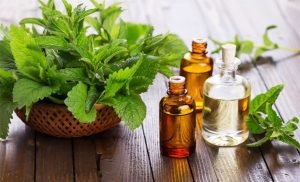
Tea Tree Essential Oil Tea tree oil is often referred to as “medicine cabinet in a bottle,” as it’s ..
-

13 surprising home remedies for acid reflux Before you reach for the heavy-duty, prescription-strength ..
-

Great Burdock The root is used to treat ‘toxic overload’ that result in throat infections and skin ..