
-

1. Apples Are Nutritious A medium apple is equal to 1.5 cups of fruit. Two cups of fruit daily are recommended ..
-

1.Bananas help overcome depression due to high levels of tryptophan, which is converted into serotonin ..
-
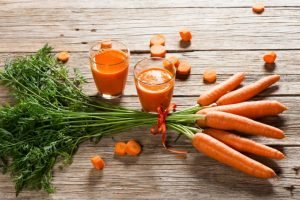
1. Beta carotene: Carrots are a rich source of this powerful antioxidant, which, among other vital uses, ..
-

Tinnitus in the ear can occur due to ear infections, various infections, perforation of the eardrum, ..
-
Comments Off on Pregnancy Calendar – Week 5 of Your Pregnancy

5-week pregnancy “Pregnancy calendar” at week 5: Your baby’s brain is developing. You may feel ..
-
Comments Off on Pregnancy Calendar – Week 4 of Your Pregnancy

4 weeks pregnancy “Pregnancy calendar” at 4th week: A miracle begins! Your baby, now consisting ..
-
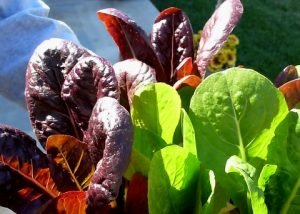
What Are Adaptogenic Herbs and How They Help Your Body Handle Stress
Stress is a normal biological response that helps you react to pressure, danger, or demanding situations. Short bursts of stress can sharpen attention and increase energy, while ongoing stress may affect sleep, digestion, mood, immunity, and blood pressure. This is why interest in herbs for stress relief has grown among people looking for gentle ways to support their wellbeing.
Adaptogenic herbs are plants traditionally used to help the body adjust to physical, mental, and emotional strain. Common examples include ashwagandha, rhodiola, holy basil, schisandra, and eleuthero. Their effects are usually gradual rather than dramatic, and research quality varies between herbs and health conditions.
For Australians balancing long commutes in Sydney or Melbourne, shift work, study, family responsibilities, and screen-heavy routines, herbal supplements can seem appealing. However, “natural” does not automatically mean harmless. A product’s quality, dose, interactions, and suitability for an individual all matter.
How adaptogens may influence the stress response
The word adaptogen describes a group of plants believed to improve the body’s ability to respond to stress and return towards balance afterwards. Scientists often study their possible effects on the hypothalamic-pituitary-adrenal axis, commonly called the HPA axis. This system connects the brain, pituitary gland, and adrenal glands, helping regulate cortisol, energy, immune activity, and the stress response.
Some adaptogens may influence signalling involved in the nervous system, inflammation, antioxidant defence, and energy production. The proposed result is better resilience rather than constant stimulation. A person may notice steadier energy during a demanding day, improved sleep quality, or less perceived tension, although these effects are not guaranteed.
The evidence is still developing. Small clinical trials have reported potential benefits for stress, fatigue, anxiety symptoms, or exercise recovery, but studies often use different extracts and doses. Results from one preparation cannot automatically be applied to every capsule, tea, or powder sold in Australia.
Adaptogens should therefore be viewed as supportive wellness tools rather than treatments that correct every consequence of chronic stress. Sleep, regular meals, movement, social connection, and appropriate medical care remain central to a healthy stress response.
Common herbs and their traditional uses
Ashwagandha, also known as Withania somnifera, is traditionally associated with Ayurvedic medicine. Modern studies have explored its use for perceived stress, sleep, and anxiety symptoms. Some people find it calming, while others report drowsiness or digestive discomfort. Its possible influence on thyroid hormones and immune activity makes professional advice important for some users.
Rhodiola rosea has a long history of use in traditional European and Asian practices. It is often marketed for mental fatigue, stamina, and concentration during stressful periods. It can feel stimulating for some people, so taking it late in the day may interfere with sleep. People with bipolar disorder or those using certain psychiatric medicines should seek clinical guidance before trying it.
Holy basil, or tulsi, is used in traditional Indian medicine and is commonly prepared as tea or included in mixed herbal formulas. It may have calming and antioxidant properties, although human research remains limited. Schisandra is another traditional plant used in East Asian medicine and is often promoted for stamina and stress adaptation.
Eleuthero, sometimes called Siberian ginseng, is not true ginseng but is used in similar wellness settings for endurance and fatigue. Panax ginseng has a separate evidence base and may affect blood glucose, blood pressure, sleep, and medication metabolism. These herbs are not interchangeable, even when marketing language groups them together.
Potential benefits for everyday wellbeing
The most realistic benefit of an adaptogenic herb may be a modest improvement in how stress feels. Someone experiencing a demanding work period might notice less mental fatigue or a greater ability to maintain normal routines. This is different from removing the source of stress or treating a diagnosed anxiety disorder.
Some research has examined adaptogens for sleep. Ashwagandha, for example, has been studied in relation to sleep quality and stress-related restlessness. Yet a supplement cannot compensate for late-night scrolling, irregular bedtimes, excess alcohol, untreated pain, or sleep apnoea. In Australia, where early starts and long drives are common, drowsiness from an unfamiliar product can also create practical safety concerns.
Physical activity may be another area of interest. Rhodiola and ginseng are sometimes used by recreational runners, gym members, and people seeking support during periods of fatigue. Any improvement may depend on training, hydration, nutrition, and recovery rather than the herb alone. Taking a stimulating product before exercise can be unsuitable for people prone to palpitations or high blood pressure.
Stress can also affect appetite and digestion. A calming evening tea may help establish a relaxing routine, but concentrated extracts can cause nausea, diarrhoea, or abdominal discomfort. The form of the product matters: a mild infusion is not equivalent to a high-strength capsule or tincture.
Ways to use these herbs more safely
A cautious approach begins with one product at a time and a clearly stated ingredient list. Choose a reputable Australian supplier, check the amount of active extract, and avoid complex blends that make it difficult to identify the cause of a side effect. Starting with the lowest labelled dose can help reveal individual tolerance.
Australian complementary medicines may be listed or registered with the Therapeutic Goods Administration. A product displaying an AUST-L number is a listed medicine, while an AUST-R number indicates a registered medicine. These categories involve different levels of evidence and assessment, and a listing does not mean a product is suitable for every person or proven to deliver every advertising claim.
Look for batch information, expiry dates, storage instructions, and transparent statements about testing. Products bought through Australian pharmacies and established health-food retailers may offer clearer labelling than unknown items imported through online marketplaces. The TGA can take action against misleading advertising, yet consumers still need to read claims critically.
Useful safety checks include:
- Check whether the herb may interact with medicines for blood pressure, diabetes, mood, thyroid conditions, or blood clotting.
- Avoid starting a new concentrated herbal product during pregnancy or breastfeeding without advice from a doctor, midwife, or pharmacist.
- Stop using it and seek medical guidance if you develop jaundice, severe abdominal pain, rash, swelling, faintness, or unusual bleeding.
- Keep supplements away from children and pets, particularly powders and sweetened gummies.
- Record the product, dose, start date, and any changes in sleep, mood, digestion, or energy.
Who should take extra care
People with liver or kidney disease, autoimmune conditions, thyroid disorders, hormone-sensitive conditions, or a history of bipolar disorder should obtain individual advice before using adaptogenic supplements. The same applies to anyone taking antidepressants, sedatives, stimulants, immune-modifying medicines, anticoagulants, or diabetes treatments.
Pregnancy is a particularly important situation. Traditional use does not establish safety for an unborn baby, and some herbs may influence hormones, uterine activity, blood pressure, or blood glucose. The safest choice is to discuss any herbal tea, powder, or supplement with a qualified pregnancy-care professional rather than relying on social media recommendations.
Children and teenagers also need specialised advice because their developing bodies may process plant compounds differently. Older adults often take several medicines, increasing the possibility of interactions. People preparing for surgery should tell their surgeon or anaesthetist about all supplements, since some herbs can affect bleeding or sedation.
Online wellness content can blur the difference between tradition, preliminary research, and reliable clinical evidence. Health misinformation appears in many settings, from exaggerated supplement promises to unrelated claims presented as fact; even discussions of religious misinformation illustrate why sources and evidence need careful checking. A confident testimonial is not the same as a controlled study.
Building a stress-support routine
An adaptogen is more likely to be useful when it fits into a broader routine. Regular wake and sleep times support the body clock, while morning daylight and moderate exercise can help regulate alertness and rest. In Australia, an early walk along a suburban street, beach path, or park may be more beneficial when paired with consistent sleep than when used to justify an increasingly late night.
Caffeine deserves attention as well. Coffee culture is strong in cities such as Melbourne, Sydney, Brisbane, and Perth, and many people use coffee to manage demanding mornings. Large amounts of caffeine can worsen nervousness, racing thoughts, reflux, and poor sleep, potentially masking the very stress symptoms an adaptogen is intended to support. Reducing afternoon caffeine may be a sensible first step.
Food quality also affects energy and mood. Regular meals containing protein, whole grains, vegetables, fruit, and healthy fats can prevent the sharp hunger and energy swings that feel like stress. Hydration is important during hot Australian weather, although herbal products should not be used as a substitute for water or medical treatment.
Simple habits that complement stress support include:
- Take brief movement breaks during desk work, driving stops, or study sessions.
- Use slow breathing, stretching, journalling, or a short mindfulness practice before bed.
- Maintain contact with supportive friends, family, community groups, or a health professional.
- Set boundaries around work messages and news consumption in the evening.
- Seek help when stress becomes persistent, overwhelming, or linked with hopelessness.
Adaptogenic herbs may offer a small extra layer of support for some adults, particularly when a well-characterised product is used responsibly. Their value depends on the individual herb, preparation, dose, health history, and quality of evidence. They should not delay assessment for ongoing anxiety, depression, severe insomnia, unexplained fatigue, chest pain, or other concerning symptoms.
Understanding what adaptogens can and cannot do helps keep expectations realistic. These plants may assist the body’s stress response, but lasting wellbeing usually comes from combining sensible supplementation decisions with sleep, nourishing food, movement, recovery, and appropriate professional care.
-
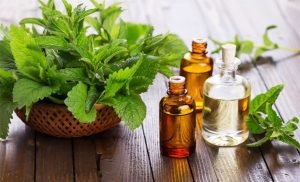
Tea Tree Essential Oil Tea tree oil is often referred to as “medicine cabinet in a bottle,” as it’s ..
-

13 surprising home remedies for acid reflux Before you reach for the heavy-duty, prescription-strength ..
-
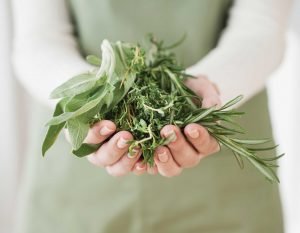
Great Burdock The root is used to treat ‘toxic overload’ that result in throat infections and skin ..