
-

1. Apples Are Nutritious A medium apple is equal to 1.5 cups of fruit. Two cups of fruit daily are recommended ..
-
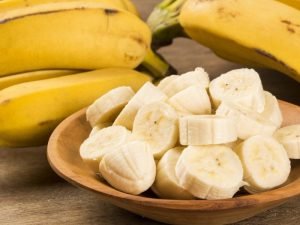
1.Bananas help overcome depression due to high levels of tryptophan, which is converted into serotonin ..
-
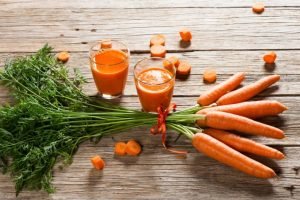
1. Beta carotene: Carrots are a rich source of this powerful antioxidant, which, among other vital uses, ..
-

Tinnitus in the ear can occur due to ear infections, various infections, perforation of the eardrum, ..
-
Comments Off on Pregnancy Calendar – Week 5 of Your Pregnancy

5-week pregnancy “Pregnancy calendar” at week 5: Your baby’s brain is developing. You may feel ..
-
Comments Off on Pregnancy Calendar – Week 4 of Your Pregnancy

4 weeks pregnancy “Pregnancy calendar” at 4th week: A miracle begins! Your baby, now consisting ..
-
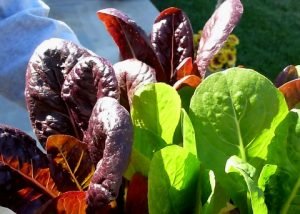
What free radicals are and how antioxidants protect cells
Free radicals are highly reactive molecules that can steal electrons from nearby substances. They are often grouped with reactive oxygen species, or ROS. The term sounds alarming, yet these compounds are part of normal cell chemistry. Their presence does not automatically mean a body is unhealthy.
The body constantly produces and removes free radicals. Mitochondria, immune cells and other structures create them during ordinary processes, while enzymes and antioxidant compounds neutralise or control them. Problems can arise when production outpaces the body’s defences, especially when inflammation, pollution, tobacco smoke or certain lifestyle habits add to the load.
Antioxidants support cells by interrupting damaging oxidation reactions and helping preserve membrane, protein and DNA function. They are valuable, but more is not always better. A varied diet, regular movement, adequate sleep and sensible sun protection are more dependable than high-dose antioxidant products.
How free radicals arise in the body
A free radical contains an unpaired electron, making it unstable and eager to interact with another molecule. Reactive oxygen species include unstable radicals such as superoxide and the hydroxyl radical. Hydrogen peroxide is less reactive, but it can form additional radicals when it encounters metals such as iron. Reactive nitrogen species, including nitric oxide, also have important roles in blood vessels, nerve signalling and immune defence.
Much of the body’s free radical production occurs during normal metabolism. Mitochondria convert energy from food into ATP, and this process creates by-products that include superoxide. Peroxisomes, which help break down fatty acids, also generate reactive molecules. Immune cells deliberately produce ROS to kill microbes, particularly during an infection. These reactions are controlled processes rather than random damage.
Environmental and lifestyle factors can increase the burden. Ultraviolet radiation promotes oxidation in skin, while tobacco smoke and traffic-related air pollution expose the lungs to reactive compounds. Residents of busy Australian cities such as Sydney and Melbourne encounter this pollution during commutes and outdoor activity, although individual exposure varies with location, traffic and weather. Alcohol metabolism and intense exercise also temporarily increase oxidative activity, illustrating why a small amount of free radical production is entirely normal.
What oxidative stress does to cells
Free radicals can react with cell membranes, altering the fats that form their protective layers. They can also damage proteins, change the function of enzymes and affect DNA. A limited amount of this damage is repaired or replaced, but persistent oxidative stress may contribute to cellular ageing and the development of some chronic conditions. It is one factor among many, rather than a simple explanation for every disease.
Moderate oxidation also helps cells communicate. Hydrogen peroxide and nitric oxide carry signals that influence healing, blood vessel function and responses to infection. Exercise briefly increases ROS production, yet regular activity can improve the body’s antioxidant enzyme systems and its ability to tolerate oxidative stress. This is why the aim is balance, not the removal of every free radical.
Cells have several repair and recovery mechanisms, including enzymes that rebuild damaged molecules and systems that remove altered proteins. When these safeguards cannot keep up, oxidative stress may become more pronounced. Scientists continue to study how this process relates to cardiovascular disease, diabetes, inflammatory conditions and neurodegenerative disease, although much of the evidence concerns groups of people and cannot predict what will happen to any individual.
The body’s antioxidant defence system
The first line of cellular protection is built into the body. Enzymes such as superoxide dismutase, catalase and glutathione peroxidase convert reactive molecules into less reactive forms. Peroxiredoxins and other proteins add further control, while glutathione supports many enzyme reactions and helps cells maintain redox balance. These systems are active continuously and do not depend on food alone.
Diet supplies additional antioxidants that work in different parts of the body. Vitamin C acts in water-based environments, vitamin E helps protect fat-rich cell membranes, and carotenoids such as beta-carotene, lutein and lycopene can neutralise certain excited molecules. Polyphenols are a large and varied group found in plant foods. Their effects may involve direct antioxidant activity, changes to cell signalling, or support for the body’s own enzymes. For additional background on nutrition language, this broader wellness resource offers a useful place to explore related healthy-living topics.
The combined defence also relies on digestion, absorption, circulation and the transport of nutrients to tissues. An antioxidant present in a food does not automatically reach every cell at the same concentration. In addition, a molecule that is beneficial in one setting may behave differently in another. This complexity explains why isolated laboratory findings do not always translate into clear benefits from supplements.
Antioxidants in the Australian food supply
Australia’s supermarkets make many antioxidant-containing foods accessible year-round. Coles and Woolworths stock fresh produce, nuts, seeds, legumes, whole grains, olive oil, tea and coffee, while greengrochers and farmers markets provide seasonal fruit and vegetables. Shoppers can build a varied intake around berries, citrus, tomatoes, capsicum, broccoli, leafy greens, pumpkin, sweet potato, beans and lentils. Frozen produce and canned beans can also provide useful nutrients when fresh options are limited.
Everyday Australian habits influence the mix. A lunch might combine a salad with chickpeas and seeds, breakfast might include oats and berries, and dinner may feature vegetables with fish, chicken or legumes. Barbies, takeaway meals and long commutes can make these habits harder to maintain, but familiar dishes can still contribute: tomato-based sauces supply lycopene, green tea and coffee provide polyphenols, and herbs add small amounts of plant compounds. No single “superfood” is required.
Regulation is important when products are marketed around antioxidants. Food Standards Australia New Zealand sets the Australia New Zealand Food Standards Code, including ingredient, nutrition information and allergen-labelling rules. The Therapeutic Goods Administration regulates complementary medicines, which must be listed in the Australian Register of Therapeutic Goods before they can be supplied. Listing does not mean a product prevents disease, and advertisers cannot make unsupported therapeutic claims. Shoppers should therefore treat “high antioxidant” promotions as marketing claims rather than proof of a health benefit.
Everyday habits that support cellular health
A varied eating pattern provides a broad mixture of antioxidants without requiring expensive powders or imported specialties. Foods also supply fibre, protein, fats and vitamins that work together. Include several colours of fruit and vegetables, nuts and seeds, legumes, whole grains and unsaturated oils across ordinary meals.
Useful food sources
- Vitamin C: Citrus, berries, kiwi, tomatoes, capsicum and broccoli provide readily absorbed vitamin C, which supports immune cells and protects water-based cellular components.
- Vitamin E: Almonds, sunflower seeds, peanuts and olive oil supply vitamin E and other lipid-soluble compounds that help protect cell membranes.
- Carotenoids: Pumpkin, carrots, sweet potato and leafy greens contain carotenoids, while tomatoes provide lycopene; these pigments also have broader biological roles.
- Polyphenols: Green tea, coffee, cocoa, berries, legumes and herbs contain various polyphenols that may influence antioxidant enzymes and cell-signalling pathways.
Antioxidant products can fill a specific nutritional gap, but they are not a substitute for food. Check the ingredient amount, serving size, expiry date and storage instructions, and buy from a reputable Australian retailer. The inclusion of a product in the Australian Register of Therapeutic Goods is also not evidence that extra doses will prevent ageing or disease.
Practical shopping and safety checks
- Prioritise food: Whole or minimally processed foods usually provide several beneficial compounds together, rather than one isolated antioxidant in a concentrated form.
- Avoid assumed safety: High-dose beta-carotene has been linked to increased lung cancer risk in smokers, and concentrated supplements may interact with medicines or affect the liver.
- Check the label: Compare the listed dose with the dose the product actually provides, especially when buying through an online marketplace or from an overseas supplier.
- Ask when needed: Speak with a doctor or pharmacist before using high-dose supplements during pregnancy, alongside prescription medicines, or when managing liver, kidney or bleeding conditions.
Australian sun exposure makes skin protection another important habit. Broad-spectrum SPF 50+ sunscreen, a hat, sunglasses and shade are useful at beaches and parks, particularly during Queensland’s intense UV conditions. Physical activity, gardening and bushwalking can support metabolic health and antioxidant defences, although they should be adapted to heat and individual ability. Not smoking, keeping alcohol within low-risk limits and maintaining a consistent sleep routine further reduce avoidable oxidative stress.
The cellular goal is resilience, not a body without free radicals. Antioxidants help preserve that resilience by working with enzymes, repair pathways and healthy daily habits, while the strongest protection comes from a balanced pattern rather than a single supplement or superfood.
-
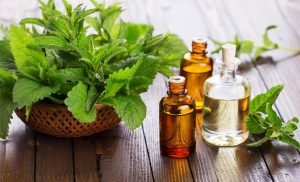
Tea Tree Essential Oil Tea tree oil is often referred to as “medicine cabinet in a bottle,” as it’s ..
-

13 surprising home remedies for acid reflux Before you reach for the heavy-duty, prescription-strength ..
-
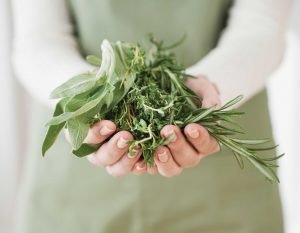
Great Burdock The root is used to treat ‘toxic overload’ that result in throat infections and skin ..