
-

1. Apples Are Nutritious A medium apple is equal to 1.5 cups of fruit. Two cups of fruit daily are recommended ..
-
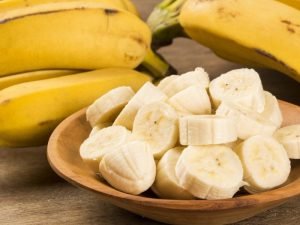
1.Bananas help overcome depression due to high levels of tryptophan, which is converted into serotonin ..
-
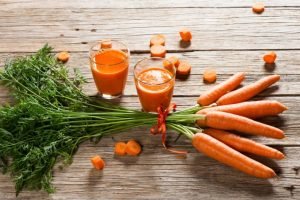
1. Beta carotene: Carrots are a rich source of this powerful antioxidant, which, among other vital uses, ..
-

Tinnitus in the ear can occur due to ear infections, various infections, perforation of the eardrum, ..
-
Comments Off on Pregnancy Calendar – Week 5 of Your Pregnancy

5-week pregnancy “Pregnancy calendar” at week 5: Your baby’s brain is developing. You may feel ..
-
Comments Off on Pregnancy Calendar – Week 4 of Your Pregnancy

4 weeks pregnancy “Pregnancy calendar” at 4th week: A miracle begins! Your baby, now consisting ..
-

What Are Prebiotics and Which Foods Contain Them?
Prebiotics are specific types of food components that nourish beneficial microorganisms living in the large intestine. Most are forms of dietary fibre or resistant starch that pass through the upper digestive system without being fully digested. Once they reach the colon, gut bacteria ferment them and produce compounds that may support digestive and general health.
Common prebiotic foods include onions, garlic, leeks, asparagus, legumes, oats, barley, bananas, apples and cooked-and-cooled potatoes. These foods contain different fermentable fibres, so eating a varied selection is more useful than relying on one ingredient or a single “superfood”.
Prebiotics are different from probiotics. Probiotics are live microorganisms found in foods such as yoghurt with added cultures, kefir and some fermented vegetables. Prebiotics provide fuel for helpful gut bacteria. Some foods contain both naturally occurring fibres and beneficial microbes, but the two terms describe different things.
For people in Australia, prebiotic foods are usually available through major supermarkets, independent grocers and local farmers’ markets. Fresh produce in Sydney, Melbourne, Brisbane, Perth and regional centres can vary with the season, while affordable staples such as rolled oats, lentils, chickpeas and brown rice are available year-round.
How Prebiotics Work In The Gut
The human digestive system cannot break down every type of fibre. When prebiotic carbohydrates reach the colon, selected bacteria use them as an energy source. This fermentation produces short-chain fatty acids, including acetate, propionate and butyrate. These substances help maintain the intestinal environment and provide energy for cells lining the bowel.
Prebiotics may also support regular bowel movements by increasing stool bulk and drawing water into the digestive tract. A fibre-rich eating pattern can help some people manage constipation, although sufficient fluid intake and regular physical activity are also important. The effects vary according to a person’s existing gut bacteria, overall diet, medication use and health conditions.
The term “prebiotic” is more specific than “fibre”. Some fibres add bulk without being significantly fermented, while others are readily used by gut microbes. Resistant starch, inulin, fructooligosaccharides and galactooligosaccharides are examples of compounds with prebiotic activity.
Foods That Naturally Provide Prebiotic Fibre
Onions, garlic, leeks and spring onions contain fructans, a group of fermentable carbohydrates. They can be used in soups, stir-fries, pasta sauces and savoury dishes to add flavour as well as fibre. Asparagus and Jerusalem artichokes are also known for their inulin content, although Jerusalem artichokes may be less common in ordinary Australian supermarkets.
Legumes are practical sources of prebiotic fibre. Lentils, chickpeas, kidney beans, butter beans and baked beans can be added to salads, curries, stews and wraps. Canned varieties are convenient; draining and rinsing them can reduce excess salt and may make them easier for some people to tolerate.
Oats and barley contain beta-glucan, a soluble fibre associated with healthy cholesterol levels and improved fullness. Green or slightly underripe bananas contain more resistant starch than very ripe bananas. Apples, pears and berries provide fermentable fibres and plant compounds, particularly when eaten with their edible skins after washing.
Potatoes, rice and pasta develop more resistant starch when cooked and then cooled. A potato salad, chilled rice bowl or leftover pasta dish can therefore provide a different fibre profile from the same food eaten immediately after cooking. Reheating these foods does not remove all resistant starch, though safe storage and thorough reheating are essential.
Finding Prebiotic Foods In Australia
Australian supermarkets such as Woolworths, Coles and Aldi commonly stock rolled oats, wholegrain bread, canned legumes, brown rice, onions, garlic and seasonal fruit. Reading the nutrition information panel can help identify products with more fibre, but the ingredient list is also useful. Whole grains, legumes, vegetables and fruit are generally preferable to highly processed products marketed with added fibre.
At farmers’ markets in places such as Adelaide, Melbourne and Brisbane, seasonal asparagus, leeks, apples, pears and leafy vegetables may be available from local growers. Farmers’ markets can offer variety, although prices and availability change throughout the year. Frozen vegetables and canned beans are sensible alternatives when fresh produce is expensive or inconvenient.
Australian food labelling may use terms such as “dietary fibre”, “resistant starch” or “prebiotic fibre”. A product described as high in fibre is not automatically suitable for everyone, particularly if it contains large amounts of added sweeteners or ingredients that trigger digestive symptoms. A simple meal based on oats, fruit, legumes or vegetables can often provide prebiotic fibre without a specialised supplement.
The Australian Dietary Guidelines emphasise vegetables, fruit, wholegrain cereals, legumes, nuts and seeds as part of a healthy eating pattern. Adults are commonly advised to aim for roughly 25 to 30 grams of total dietary fibre daily, although individual needs differ. Increasing intake gradually is usually more comfortable than making a sudden change.
Easy Ways To Include More In Daily Meals
Breakfast is an uncomplicated place to add fermentable fibre. Rolled oats topped with a banana, apple, berries or ground seeds can provide several types of fibre in one meal. Natural yoghurt may be added for protein and live cultures, but it should not be confused with the prebiotic ingredients in the oats and fruit.
At lunch, try a lentil soup, chickpea salad, bean-filled wrap or barley-based bowl. At dinner, add chopped onion and garlic to a vegetable sauce, serve beans with brown rice, or replace part of the meat in a mince dish with lentils. These changes can make meals more filling while increasing the variety of plant foods.
For a hot Australian summer, cooled potato salads, overnight oats, fruit, bean salads and chilled barley bowls can be useful options. In cooler months, vegetable soups, baked beans and slow-cooked lentil dishes are comforting ways to include prebiotic foods. Keeping canned legumes, oats and frozen vegetables in the pantry or freezer can make healthy choices easier during a busy week.
Portion size matters when introducing foods such as beans, onions or resistant starch. Start with small servings and increase them over several days. Drinking water throughout the day supports the movement of fibre through the digestive tract, especially when meals contain more whole grains and legumes.
Digestive Health And Individual Tolerance
A diverse, fibre-rich diet may support a more varied gut microbiome. Regularly eating different plant foods exposes gut bacteria to a wider range of fermentable carbohydrates and polyphenols. However, gut health is influenced by sleep, stress, physical activity, alcohol intake, medications and the overall quality of the diet.
Some people experience gas, abdominal cramping or bloating after increasing prebiotic foods. This happens because bacterial fermentation produces gas, and symptoms may be stronger in people with irritable bowel syndrome or sensitivity to particular fermentable carbohydrates. Onions, garlic, wheat, legumes and some fruits are high in FODMAPs, which can trigger symptoms in susceptible individuals.
A low-FODMAP diet may be recommended for a limited period by a qualified dietitian, followed by structured reintroduction. It is not intended to remove every prebiotic food permanently without professional guidance. People with inflammatory bowel disease, coeliac disease, bowel narrowing or persistent digestive symptoms should seek personalised medical advice before making major dietary changes.
Supplements Compared With Whole Foods
Prebiotic supplements may contain ingredients such as inulin, fructooligosaccharides, galactooligosaccharides or partially hydrolysed guar gum. They can be useful in selected situations, but a higher dose is not necessarily better. Some products cause considerable gas when started too quickly, particularly in people who already eat little fibre.
Whole foods provide a broader combination of fibre, vitamins, minerals, water and protective plant compounds. An apple, for example, supplies fibre along with fluid and naturally occurring polyphenols, while a fibre powder may provide only one concentrated ingredient. Food-based sources are usually the best starting point for people who can tolerate them.
Anyone considering a supplement should check the label, start with the smallest suggested amount and discuss it with a pharmacist, doctor or dietitian if they take regular medication. Advice is especially important during pregnancy, while breastfeeding, or when managing diabetes, kidney disease or a diagnosed digestive disorder.
Choosing And Preparing Prebiotic Foods
Food preparation changes the type and amount of fermentable carbohydrate available. Cooking softens vegetables and grains, while cooling cooked potatoes, rice and pasta increases resistant starch. This does not make every leftover automatically safe, so cooked foods should be cooled promptly, refrigerated and eaten within an appropriate timeframe.
Variety is more useful than perfection. A weekly pattern could include oats at breakfast, fruit as a snack, a lentil or chickpea meal, vegetables with garlic or onion, and a serving of cooled potato or wholegrain rice. Australian-grown produce can be selected according to seasonal availability, while frozen and canned options help reduce waste.
The following habits can make a gradual increase more comfortable:
- Add one new high-fibre food at a time and increase portions slowly.
- Choose a mixture of legumes, whole grains, vegetables and fruit across the week.
- Drink water regularly, particularly when eating more fibre than usual.
- Rinse canned beans and lentils before using them to reduce excess salt.
- Keep a food and symptom record if bloating or abdominal discomfort develops.
- Seek advice from a health professional for persistent symptoms or a restricted diet.
Building A Balanced Gut-Friendly Pattern
Prebiotics work as part of an overall eating pattern rather than as a cure for a particular illness. Meals built around vegetables, legumes, whole grains, fruit, nuts and seeds supply different forms of fibre and plant nutrients. Including fish, eggs, tofu, lean meats or dairy foods can provide protein alongside this plant-rich foundation.
Fermented foods may also be included if they suit the individual. Plain yoghurt with live cultures, kefir, tempeh and some fermented vegetables provide different microorganisms or fermentation products, but they do not replace prebiotic fibre. Combining suitable probiotic foods with a varied fibre intake may support a healthy digestive environment.
Changes should be gradual and realistic. A person who currently eats little fibre may begin with oats, a piece of fruit and a small serving of lentils rather than suddenly adding large amounts of bran, beans and raw vegetables. With regular meals and careful attention to tolerance, prebiotic foods can become an ordinary part of everyday eating in Australia.
-

Tea Tree Essential Oil Tea tree oil is often referred to as “medicine cabinet in a bottle,” as it’s ..
-

13 surprising home remedies for acid reflux Before you reach for the heavy-duty, prescription-strength ..
-
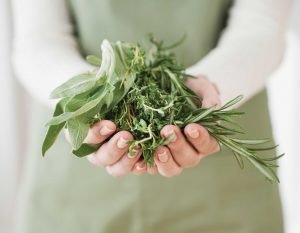
Great Burdock The root is used to treat ‘toxic overload’ that result in throat infections and skin ..