
-
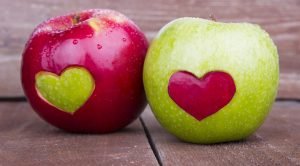
1. Apples Are Nutritious A medium apple is equal to 1.5 cups of fruit. Two cups of fruit daily are recommended ..
-
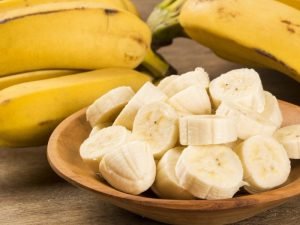
1.Bananas help overcome depression due to high levels of tryptophan, which is converted into serotonin ..
-
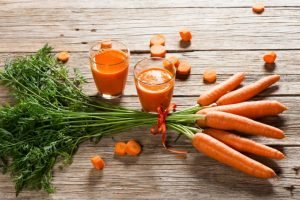
1. Beta carotene: Carrots are a rich source of this powerful antioxidant, which, among other vital uses, ..
-

Tinnitus in the ear can occur due to ear infections, various infections, perforation of the eardrum, ..
-
Comments Off on Pregnancy Calendar – Week 5 of Your Pregnancy

5-week pregnancy “Pregnancy calendar” at week 5: Your baby’s brain is developing. You may feel ..
-
Comments Off on Pregnancy Calendar – Week 4 of Your Pregnancy

4 weeks pregnancy “Pregnancy calendar” at 4th week: A miracle begins! Your baby, now consisting ..
-
Best Herbs for Liver Detoxification and Everyday Liver Support
The liver is often described as the body’s natural detoxification organ because it processes alcohol, medicines, hormones, and waste products in the blood. It also produces bile, stores energy, helps regulate cholesterol, and supports immune function. These tasks happen continuously, so the liver does not usually need a commercial “cleanse” to do its work.
Several medicinal plants are promoted for liver detoxification, but the evidence is uneven. Some herbs may support antioxidant defenses, bile flow, or certain markers of liver health, while others can cause liver injury when taken in concentrated extracts. A natural label does not guarantee that a product is safe.
The most sensible approach is to view herbs as possible additions to a liver-friendly lifestyle rather than replacements for medical care. People with liver disease, gallstones, pregnancy, or regular prescription medicines should seek professional advice before using herbal supplements.
How the Liver Detoxifies the Body
The liver changes potentially harmful substances into compounds that can leave through urine or bile. This process is commonly described in phases. Enzymes first modify compounds, and then other reactions make them easier to eliminate. Antioxidant systems help protect liver cells during this work.
“Detox” products often imply that toxins are building up and need to be flushed out. For most healthy adults, that claim is misleading. The liver and kidneys already manage waste removal, and short-term cleanses have not been shown to remove unspecified toxins or repair damage caused by alcohol, poor diet, viral hepatitis, or medication.
Herbs may still have a role in supporting general liver wellness. Research has examined their effects on inflammation, oxidative stress, bile production, and liver enzyme levels. Lowering an enzyme result, however, does not automatically mean that a supplement has reversed liver disease or improved long-term health.
Milk Thistle for Liver Cell Support
Milk thistle, or Silybum marianum, is among the most studied herbal remedies for the liver. Its main active compounds are collectively called silymarin, with silybin considered one of the principal components. Laboratory research suggests that silymarin has antioxidant and anti-inflammatory properties and may help stabilize liver cell membranes.
Studies in people with fatty liver disease, alcohol-related liver problems, and other conditions have produced mixed findings. Some trials report modest improvements in liver enzymes, while others show little meaningful difference. Product quality, dose, treatment duration, and the underlying cause of liver damage can all affect results.
Milk thistle is generally tolerated by many adults, though it may cause bloating, nausea, diarrhea, or headache. It can also trigger an allergic reaction in people sensitive to ragweed-family plants, including daisies and chrysanthemums. Anyone taking several medications should ask a pharmacist or clinician about possible interactions before using a concentrated extract.
Turmeric, Dandelion, and Artichoke
Turmeric contains curcumin, a compound studied for its anti-inflammatory and antioxidant activity. Adding turmeric to food is generally a low-risk way to include it in a balanced diet. Curcumin supplements are much more concentrated, and some are formulated with absorption-enhancing ingredients such as piperine, which can alter how medicines are processed.
Dandelion root and leaf are traditionally used to support digestion and urinary function. Although dandelion is sometimes marketed as a liver cleanser, human evidence for detoxification is limited. It may act as a mild diuretic, and it may not be appropriate for people with bile duct obstruction, certain gallbladder conditions, kidney problems, or allergies to related plants.
Artichoke leaf extract has been investigated for digestive symptoms, cholesterol, and liver enzyme changes, particularly in people with metabolic fatty liver disease. Early findings are encouraging but not definitive. Artichoke products may stimulate bile flow, so people with gallstones or suspected bile duct blockage should avoid self-treatment without medical guidance.
Comparing Common Liver Support Herbs
The best option depends on the reason someone is considering an herb. A person seeking general nutrition has different needs from someone with abnormal liver tests or a diagnosed condition. The following overview summarizes the evidence and the main safety considerations without treating any supplement as a proven detox cure.
Herb or plant Potential area of support Evidence in humans Main precautions Milk thistle Antioxidant and anti-inflammatory activity; possible support for liver enzymes Mixed and generally modest Allergies and medication interactions Turmeric or curcumin Inflammation and oxidative stress Some promising findings, but not proof of detoxification Gallbladder disease, blood thinners, gastrointestinal effects Dandelion Traditional digestive and bile-related use Limited clinical evidence Gallstones, bile obstruction, diuretics, allergies Artichoke leaf Digestion, cholesterol, possible liver enzyme support Early or moderate evidence Gallstones and bile duct obstruction Schisandra Traditional adaptogenic and liver-support use Limited, condition-specific research Medication interactions and product quality Green tea beverage Antioxidant intake as part of a diet Tea is generally safe; extracts differ Concentrated extracts have been linked to liver injury Herbal Products That Need Extra Caution
Green tea is a useful beverage for many people, but green tea extract is not equivalent to drinking brewed tea. Concentrated capsules, particularly those used for weight loss, have been associated with rare cases of liver injury. Risk may be higher when products are taken while fasting or combined with several other ingredients.
Kava has been linked to serious liver injury and should not be used as a liver detox herb. High-dose or prolonged use of comfrey, chaparral, germander, and certain traditional herbal mixtures can also damage the liver. Some products have been contaminated with heavy metals, adulterated with medicines, or incorrectly identified during manufacturing.
Licorice root deserves caution as well. Large amounts or long-term use may raise blood pressure, lower potassium, and affect the heart. It can interact with diuretics, corticosteroids, and some heart medicines. “Liver support” blends can hide these risks because consumers may focus on the front label without recognizing the dose of each ingredient.
Stop a supplement and seek medical help if symptoms such as yellow skin or eyes, dark urine, pale stools, persistent vomiting, severe itching, unusual tiredness, confusion, or pain under the right ribs develop. These signs may indicate liver or bile system problems and should not be managed with another cleansing product.
Using Herbs More Safely
A food-based approach is usually safer than a high-dose supplement. Turmeric used in cooking, green tea consumed as a beverage, and herbs such as parsley, rosemary, garlic, and ginger can contribute flavor and plant compounds without delivering the concentrated doses found in capsules. Food, however, should not be presented as a treatment for diagnosed liver disease.
Before selecting a supplement, identify the actual goal. Abnormal liver enzymes, fatty liver, hepatitis, medication-related injury, and digestive discomfort require different evaluations. A clinician may recommend blood tests, imaging, hepatitis screening, or a medication review rather than an herbal cleanse.
Choose products from manufacturers that disclose ingredient amounts and use independent quality testing when possible. Avoid blends that promise rapid toxin removal, dramatic weight loss, or guaranteed liver repair. Follow the product label, do not combine several liver supplements, and keep a record of everything taken, including teas and powders.
Pregnant or breastfeeding people, children, older adults, and anyone with kidney or liver disease should obtain individualized advice before taking medicinal herbs. Supplements can vary in strength from one batch to another, and evidence from a small clinical study may not apply to every commercial product.
Habits That Protect Liver Health
Daily habits have stronger evidence for liver protection than detox regimens. Maintaining a healthy weight, moving regularly, managing blood sugar and cholesterol, and limiting alcohol can reduce the risk of metabolic dysfunction-associated steatotic liver disease and other forms of liver stress.
A balanced eating pattern should include vegetables, fruit, beans, whole grains, nuts, fish, and appropriate sources of protein. Reducing sugary drinks, excessive refined carbohydrates, and highly processed foods can help address factors that contribute to fat accumulation in the liver. Adequate hydration supports normal kidney function, although drinking excessive water does not flush toxins from the liver.
Important practical steps include:
- Limit alcohol or avoid it if a clinician has identified liver disease.
- Review prescription medicines, over-the-counter pain relievers, and supplements with a healthcare professional.
- Choose brewed tea or culinary herbs instead of concentrated “cleanse” formulas.
- Seek testing for persistent fatigue, jaundice, abdominal swelling, or unexplained liver enzyme changes.
- Check whether hepatitis A and B vaccination is appropriate for your risk profile.
These measures work by reducing the causes of liver strain rather than promising a quick reset. They also make it easier to determine whether a new symptom comes from a health condition, a medicine, or a supplement.
Milk thistle is the most widely researched herb for liver support, while turmeric, artichoke leaf, and dandelion have more limited or condition-specific evidence. None has been conclusively proven to detoxify a healthy liver, and some concentrated products can create serious risks. Before beginning an herbal regimen, discuss the product and its dose with a qualified healthcare professional, especially if you take medication or have gallbladder or liver problems. Use the information on Healthy Life Live as a starting point for informed, safer decisions about your health.
-
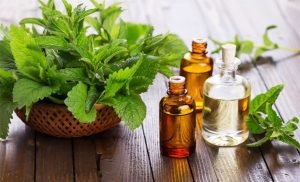
Tea Tree Essential Oil Tea tree oil is often referred to as “medicine cabinet in a bottle,” as it’s ..
-

13 surprising home remedies for acid reflux Before you reach for the heavy-duty, prescription-strength ..
-
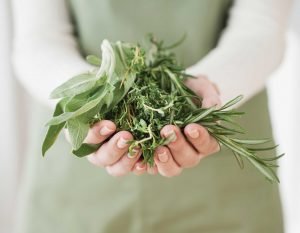
Great Burdock The root is used to treat ‘toxic overload’ that result in throat infections and skin ..