
-
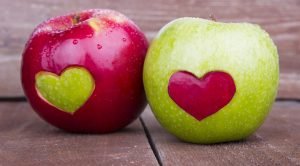
1. Apples Are Nutritious A medium apple is equal to 1.5 cups of fruit. Two cups of fruit daily are recommended ..
-
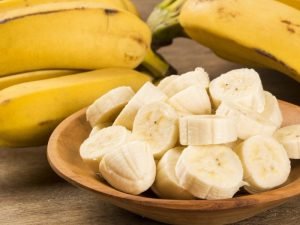
1.Bananas help overcome depression due to high levels of tryptophan, which is converted into serotonin ..
-
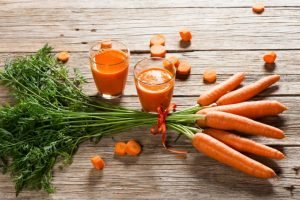
1. Beta carotene: Carrots are a rich source of this powerful antioxidant, which, among other vital uses, ..
-

Tinnitus in the ear can occur due to ear infections, various infections, perforation of the eardrum, ..
-
Comments Off on Pregnancy Calendar – Week 5 of Your Pregnancy

5-week pregnancy “Pregnancy calendar” at week 5: Your baby’s brain is developing. You may feel ..
-
Comments Off on Pregnancy Calendar – Week 4 of Your Pregnancy

4 weeks pregnancy “Pregnancy calendar” at 4th week: A miracle begins! Your baby, now consisting ..
-
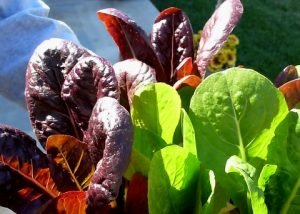
Best Snacks for a Healthy Pregnancy Diet
Pregnancy can make hunger arrive suddenly, especially when nausea, changing energy needs, or a busy schedule makes full meals difficult. Nutritious snacks help bridge the gap between meals while providing protein, fiber, healthy fats, vitamins, and minerals that support maternal health and fetal development.
The best pregnancy snacks are usually balanced rather than heavily processed. Combining two or more food groups can help provide steadier energy and keep you satisfied longer. For example, fruit with yogurt offers carbohydrates, protein, and calcium, while whole-grain crackers with hummus provide fiber, plant protein, and beneficial fats.
Individual needs vary throughout pregnancy. Appetite, food preferences, allergies, cultural eating patterns, and conditions such as gestational diabetes can all affect which snacks are suitable. A prenatal doctor or registered dietitian can help adapt general nutrition guidance to a personal care plan.
Why Snacks Matter During Pregnancy
Small meals and snacks may be useful when pregnancy symptoms make large portions uncomfortable. Eating every few hours can be gentler on the stomach and may help reduce the intense hunger that sometimes worsens nausea. A plain carbohydrate, such as a cracker or slice of toast, may be easier to tolerate early in the day, while a more balanced snack can follow when appetite improves.
Snacks also offer opportunities to fill common nutritional gaps. Calcium-rich foods support bones and teeth, iron-containing foods help form blood, and fiber supports regular bowel movements. Protein is especially valuable because it contributes to the growth of maternal tissues and the developing baby.
A snack does not need to be large to be nutritious. Portion size can depend on hunger, activity level, trimester, and the rest of the day's meals. The goal is to choose foods that provide useful nourishment without creating pressure to eat beyond comfort.
How to Build a Balanced Pregnancy Snack
A practical formula is to combine a source of protein with a high-fiber carbohydrate and, when suitable, a healthy fat. Protein foods include Greek yogurt, cottage cheese, eggs, beans, lentils, tofu, nuts, seeds, and nut butters. High-fiber carbohydrates include oats, fruit, vegetables, whole-grain bread, and whole-grain crackers.
Healthy fats can make a snack more satisfying and help with the absorption of fat-soluble vitamins. Avocado, walnuts, chia seeds, ground flaxseed, tahini, and unsweetened peanut butter are useful options. Fat is calorie-dense, so modest portions are often enough.
Hydration matters too. Water should be the main drink for most people, while milk or fortified unsweetened plant beverages can add calcium and vitamin D. Soups, smoothies, and water-rich fruits may contribute to fluid intake, although sugary drinks should not replace regular hydration.
Nutrient-Rich Snacks to Keep in Rotation
Fruit is an easy source of carbohydrates, fiber, and various vitamins. Pairing it with protein or fat creates a more complete snack. Try an apple with peanut butter, a pear with cheese, berries with plain yogurt, or a banana with a small handful of walnuts. If fresh fruit is difficult to store, unsweetened frozen fruit can work well in smoothies or yogurt bowls.
Vegetables become more appealing when prepared for convenience. Carrot sticks, cucumber slices, bell peppers, cherry tomatoes, or steamed edamame can be packed in advance. Hummus, bean dip, guacamole, or yogurt-based dressing adds flavor and makes vegetables more filling.
Some pregnancy-friendly snack ideas are shown below:
Snack idea Main nutritional contribution Helpful preparation note Greek yogurt with berries and oats Protein, calcium, fiber, antioxidants Choose pasteurized yogurt and refrigerate promptly Apple slices with peanut butter Fiber, protein, healthy fats Select smooth or crunchy butter without added sugar if preferred Whole-grain crackers with hummus Fiber, plant protein, complex carbohydrates Keep chilled and use a clean serving utensil Hard-boiled egg with avocado toast Protein, choline, healthy fats Cook the egg until both white and yolk are firm Cottage cheese with peach slices Protein, calcium, carbohydrates Use pasteurized cottage cheese Trail mix with nuts and pumpkin seeds Protein, magnesium, healthy fats Choose unsalted ingredients and watch dried-fruit portions Oatmeal with chia seeds and banana Fiber, carbohydrates, omega-3 fats Prepare with milk or a fortified alternative for extra nutrients Roasted chickpeas with fruit Plant protein, fiber, iron, carbohydrates Bake until crisp and store in an airtight container Iron-rich snacks may be especially useful when included in an overall balanced eating pattern. Lentil dip, roasted chickpeas, pumpkin seeds, fortified whole-grain cereal, and lean meat can contribute iron. Pairing plant sources of iron with vitamin C foods, such as oranges, kiwi, strawberries, or bell peppers, may improve absorption.
Choline is another important nutrient during pregnancy, and eggs are a convenient source. Other sources include soy foods, lean meat, fish that is low in mercury, dairy products, and some beans. No single snack provides every nutrient, so variety across the week is more important than finding one perfect food.
Snacks for Nausea, Cravings, and Low Appetite
When nausea is strongest in the morning, keeping a small snack beside the bed may help. Dry cereal, whole-grain crackers, plain toast, or a few pretzels can be easier to tolerate before standing up. Once the stomach settles, add yogurt, a boiled egg, a glass of milk, or another protein-rich food if possible.
Cold foods sometimes produce less odor than hot meals. Chilled fruit, smoothies, yogurt, pasta salad, or a cold sandwich made with pregnancy-safe ingredients may be more appealing. Ginger tea, ginger-containing foods, or lemon-flavored water may help some people with nausea, although concentrated supplements should be discussed with a healthcare professional.
Cravings can fit into a healthy pregnancy diet when they are enjoyed in reasonable portions and balanced with more nourishing foods. If a craving involves nonfood substances such as clay, ice, or laundry starch, contact a prenatal healthcare provider, as this can be associated with iron deficiency or another condition.
A smoothie can be useful when chewing feels difficult. Blend pasteurized milk or fortified soy beverage with banana, berries, oats, spinach, and nut butter. Avoid unpasteurized dairy products, raw eggs, and poorly washed produce. Smoothies should be prepared with clean equipment and consumed promptly or kept refrigerated.
Food Safety and Special Dietary Needs
Food safety is essential during pregnancy because certain infections can be more serious for the pregnant person and developing baby. Wash produce under running water, keep perishable foods cold, and separate raw meat from ready-to-eat ingredients. Follow package storage instructions and discard foods that have been left at unsafe temperatures.
Choose pasteurized milk, cheese, and juice. Avoid raw or undercooked eggs, meat, poultry, and seafood, as well as refrigerated pâté and certain chilled smoked seafood unless thoroughly cooked. Deli meats and hot dogs should be heated until steaming hot before eating. Fish can be part of a healthy pregnancy diet, but select low-mercury options and follow local guidance on serving amounts.
People with gestational diabetes may need snacks that contain controlled portions of carbohydrates paired with protein or fat. A small apple with cheese, plain Greek yogurt with nuts, or vegetables with hummus may be more suitable than juice, sweets, or large portions of dried fruit. Blood glucose targets and snack timing should follow the care plan provided by the maternity team.
Food allergies, celiac disease, anemia, thyroid conditions, and severe vomiting can also change nutritional requirements. Anyone unable to keep fluids or food down, experiencing signs of dehydration, or losing weight unintentionally should seek medical advice promptly. General snack ideas cannot replace personalized prenatal care.
Simple Ways to Plan Ahead
Preparation makes nutritious choices easier when fatigue or sudden hunger appears. Wash and portion produce after shopping, keep shelf-stable snacks in a work bag, and prepare two or three options before a busy day. Small containers of nuts, whole-grain crackers, roasted chickpeas, or fortified cereal can be useful when refrigeration is unavailable.
A weekly snack rotation can prevent boredom without requiring elaborate recipes. For example, choose one fruit-based option, one vegetable-based option, one dairy or fortified alternative, and one protein-rich option each day. This creates variety while keeping shopping manageable.
Keep an eye on added sugar and sodium in packaged foods. Granola bars, flavored yogurts, crackers, and trail mixes can vary widely, so compare labels and choose products with more fiber and protein when available. Convenience foods can have a place in pregnancy nutrition; the aim is to combine them thoughtfully rather than pursue perfection.
Practical Habits for Better Snack Choices
- Pair carbohydrates with protein or healthy fat to support lasting fullness.
- Keep a safe, portable snack available for travel, work, appointments, and long waits.
- Use pasteurized dairy products and cook eggs, meat, and seafood thoroughly.
- Include different colors of fruits and vegetables throughout the week.
- Adjust portions and ingredients according to medical guidance, appetite, and pregnancy symptoms.
A nourishing snack plan should feel flexible enough for real life. Some days may include homemade oatmeal bites and fresh vegetables, while others may rely on a banana, packaged cheese, or whole-grain cereal. Consistency over time matters more than making every snack elaborate.
Pay attention to how different foods affect nausea, reflux, constipation, energy, and hunger. Writing down a few tolerated foods can be helpful during difficult weeks, especially when symptoms change from one trimester to another. Anyone seeking more information about the website or its health content can use the site's contact page.
Choose a few balanced snacks that you genuinely enjoy, prepare them in accessible portions, and include them alongside regular meals and prenatal care. Small, reliable choices can make it easier to meet nutritional needs throughout pregnancy while keeping eating practical and satisfying.
-
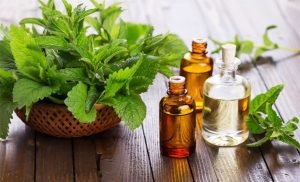
Tea Tree Essential Oil Tea tree oil is often referred to as “medicine cabinet in a bottle,” as it’s ..
-

13 surprising home remedies for acid reflux Before you reach for the heavy-duty, prescription-strength ..
-
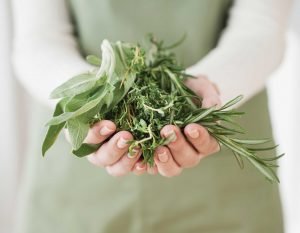
Great Burdock The root is used to treat ‘toxic overload’ that result in throat infections and skin ..