
-

1. Apples Are Nutritious A medium apple is equal to 1.5 cups of fruit. Two cups of fruit daily are recommended ..
-
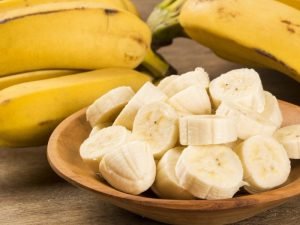
1.Bananas help overcome depression due to high levels of tryptophan, which is converted into serotonin ..
-

1. Beta carotene: Carrots are a rich source of this powerful antioxidant, which, among other vital uses, ..
-

Tinnitus in the ear can occur due to ear infections, various infections, perforation of the eardrum, ..
-
Comments Off on Pregnancy Calendar – Week 5 of Your Pregnancy

5-week pregnancy “Pregnancy calendar” at week 5: Your baby’s brain is developing. You may feel ..
-
Comments Off on Pregnancy Calendar – Week 4 of Your Pregnancy

4 weeks pregnancy “Pregnancy calendar” at 4th week: A miracle begins! Your baby, now consisting ..
-

Healthiest Cooking Oils for Everyday Meals
The oil in a pan influences more than flavor. It affects the amount and type of fat in a meal, how food responds to heat, and whether delicate nutrients and aromas are preserved. Choosing a suitable cooking oil can support a balanced eating pattern without making everyday meals complicated.
The healthiest choice depends on how the oil will be used. A flavorful extra virgin olive oil may be ideal for dressings and moderate-heat cooking, while a refined avocado or canola oil can work better for searing or baking when a neutral taste is preferred. Storage, freshness, and portion size matter just as much as the oil itself.
No single oil provides every advantage. The strongest options are generally rich in unsaturated fats, low in trans fats, and appropriate for the cooking temperature. It is also useful to vary oils occasionally so meals include different fatty acids and flavors.
What Makes a Cooking Oil Healthy
A nutritious cooking oil usually contains a high proportion of monounsaturated or polyunsaturated fats. These unsaturated fats are associated with better heart health when they replace substantial amounts of saturated fat from foods such as butter, lard, and shortening. Canola, olive, avocado, peanut, and many seed oils fit this general profile.
Smoke point is another consideration, although it should not be treated as the only measure of quality. An oil begins to smoke when its components break down at high heat, producing unpleasant flavors and potentially irritating compounds. Cooking below the smoking point helps maintain the oil’s stability and taste.
Refining can raise an oil’s smoke point and create a milder flavor, while less processed oils often retain more natural plant compounds. “Refined” does not automatically mean unhealthy, and “unrefined” does not make an oil suitable for every cooking method. The best choice combines fat composition, freshness, processing, and intended use.
Extra Virgin Olive Oil for Flavor and Antioxidants
Extra virgin olive oil is one of the most versatile choices for a healthy kitchen. It is rich in monounsaturated oleic acid and contains plant compounds, including polyphenols, that contribute to its characteristic peppery flavor. These compounds vary with the olive variety, harvest, storage, and quality of the product.
Use extra virgin olive oil for salad dressings, vegetables, beans, grains, marinades, and gentle sautéing. It can also be used for roasting and many everyday skillet recipes. Its flavor is most noticeable when drizzled over finished food, where fruity, grassy, or mildly bitter notes can enhance a dish.
Light olive oil is not necessarily lower in calories. The word “light” usually refers to a lighter flavor or color, and it may be refined. Extra virgin olive oil is a good option when its taste and naturally occurring plant compounds are desired, but it remains calorie-dense, so a measured amount is sensible.
Neutral Oils With Strong Nutritional Profiles
Canola oil is mild, affordable, and useful for baking, stir-frying, roasting, and pan cooking. It contains mostly unsaturated fat and relatively little saturated fat, with a small amount of alpha-linolenic acid, an omega-3 fat. Its neutral taste makes it practical for recipes in which olive flavor would be distracting.
Avocado oil is another versatile option. It is high in monounsaturated fat and is available in refined and unrefined forms. Refined avocado oil generally has a mild taste and performs well at higher temperatures, while unrefined varieties offer a more pronounced avocado character. Check the label and buy from a reliable producer because quality can vary.
High-oleic sunflower and high-oleic safflower oils are different from conventional versions because they contain more monounsaturated oleic acid. They are usually neutral in flavor and suitable for roasting or frying. Peanut oil can also be useful for high-heat cooking, although people with peanut allergies need to avoid it and cross-contact risks should be considered.
Oil Main Strength Best Uses Important Consideration Extra virgin olive oil Monounsaturated fat and natural plant compounds Dressings, vegetables, moderate-heat cooking Strong flavor; protect from heat and light Canola oil Mild flavor and low saturated fat Baking, sautéing, roasting Choose a fresh, reputable product Avocado oil High in monounsaturated fat Searing, roasting, dressings Refined and unrefined types taste different High-oleic sunflower oil Stable, neutral cooking fat Pan cooking and roasting Look specifically for “high-oleic” Peanut oil Pleasant flavor and good heat performance Stir-frying and frying Avoid with peanut allergy concerns Sesame oil Distinctive flavor and unsaturated fat Finishing, sauces, low-to-moderate heat Toasted sesame oil is best used sparingly Match the Oil to the Cooking Method
For low-heat uses, flavor and freshness are usually the priorities. Extra virgin olive oil, walnut oil, flaxseed oil, and toasted sesame oil can add character to dressings, dips, and finished dishes. Flaxseed and walnut oils are delicate and should generally be kept refrigerated and used without heating because their fragile fats can deteriorate quickly.
For medium-heat cooking, olive, canola, avocado, and peanut oils are practical choices. They work well for sautéing onions, cooking eggs, preparing vegetables, and making sauces. Keeping the pan at a moderate temperature reduces scorching and gives food time to cook evenly.
Deep-frying requires additional care because prolonged high heat accelerates oxidation. If frying is occasional, use a fresh, suitable oil, avoid overheating it, and filter or discard it according to its condition rather than repeatedly reusing it. Air-frying, baking, roasting, and shallow sautéing can deliver crisp textures with less oil overall.
The amount of oil matters alongside its nutritional profile. Even heart-friendly oils contain about 120 calories per tablespoon. Measuring oil before adding it to a pan can prevent portions from quietly increasing, particularly in recipes with several ingredients that already contain fat.
Oils and Fats to Use Sparingly
Coconut oil and palm oil are high in saturated fat. They may have culinary uses, such as adding flavor or improving texture, but they are not generally the best primary fats for everyday cooking when compared with oils rich in unsaturated fat. Using them occasionally is different from relying on them for most meals.
Butter and ghee also contain substantial saturated fat. They can contribute flavor in small amounts, especially when combined with vegetables, whole grains, or legumes, yet replacing some of the butter in a recipe with olive or canola oil can improve the overall fat balance.
Avoid partially hydrogenated oils because they are a source of industrial trans fat. Also be cautious with any oil that smells rancid, tastes bitter in an unpleasant way, looks unusually cloudy when it should be clear, or has been stored beyond its quality period. A poor-quality oil can spoil even if it began as a nutritious product.
The phrase “vegetable oil” can describe several different oils, including soybean, corn, cottonseed, or a blend. These oils are not automatically harmful. Their nutritional value depends on the specific formulation, the degree of processing, how they are used, and what foods they replace in the diet.
Store Cooking Oil to Preserve Quality
Heat, light, oxygen, and time gradually damage oil. Store bottles in a cool, dark cupboard away from the stove, oven, and dishwasher. A tightly closed cap limits air exposure, while smaller bottles can help households use delicate oils before they become stale.
Buy a size that matches how often you cook with the oil. Extra virgin olive oil is best enjoyed while fresh, and specialty oils such as flaxseed, walnut, or unrefined sesame may benefit from refrigeration after opening. Always follow the package directions, especially for oils that are pressed rather than refined.
A clear glass bottle can make an oil look appealing, but dark glass or an opaque container usually offers better protection from light. Date the bottle when it is opened if you tend to keep several oils. This small habit makes it easier to notice which products need to be used soon.
Simple Habits for Better Oil Choices
Healthy cooking is easier when the oil fits the meal and the cooking temperature. A home kitchen does not need a large collection of bottles: one flavorful oil, one neutral everyday oil, and perhaps one specialty finishing oil can cover most recipes.
Use these practical habits:
- Choose oils with mostly unsaturated fats and little or no trans fat.
- Keep extra virgin olive oil for dressings, finishing, and moderate-heat cooking.
- Select canola, avocado, or high-oleic sunflower oil when a neutral taste is useful.
- Store oil tightly closed in a cool, dark place and replace it when it smells stale.
- Measure oil and vary cooking techniques, including steaming, roasting, baking, and sautéing.
People with allergies, gallbladder conditions, digestive disorders, or medically prescribed diets may need individualized guidance. Anyone managing heart disease, high cholesterol, diabetes, or another chronic condition should consider the whole dietary pattern rather than judging one ingredient in isolation. The type of oil matters, but so do vegetables, fruits, beans, whole grains, nuts, seeds, and overall calorie intake.
For general health information from Healthy Life Live, use the site’s contact email when an editorial or publishing matter needs to be directed to the appropriate team.
Build your kitchen around fresh, unsaturated oils and use each one for the job it handles best. Start with a dependable olive oil and a mild everyday option, store both properly, and let portion awareness guide how much reaches the pan. Small, consistent choices can make home cooking more flavorful while supporting a balanced approach to dietary fat.
-
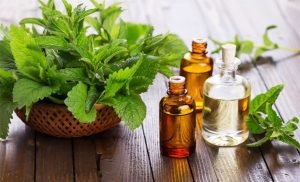
Tea Tree Essential Oil Tea tree oil is often referred to as “medicine cabinet in a bottle,” as it’s ..
-

13 surprising home remedies for acid reflux Before you reach for the heavy-duty, prescription-strength ..
-
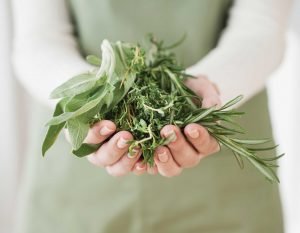
Great Burdock The root is used to treat ‘toxic overload’ that result in throat infections and skin ..