
-

1. Apples Are Nutritious A medium apple is equal to 1.5 cups of fruit. Two cups of fruit daily are recommended ..
-
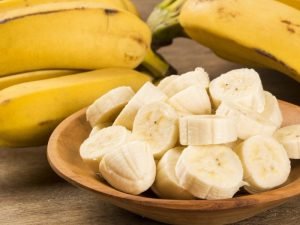
1.Bananas help overcome depression due to high levels of tryptophan, which is converted into serotonin ..
-
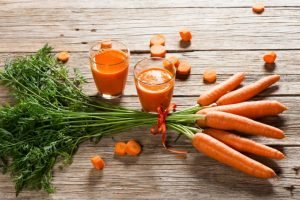
1. Beta carotene: Carrots are a rich source of this powerful antioxidant, which, among other vital uses, ..
-

Tinnitus in the ear can occur due to ear infections, various infections, perforation of the eardrum, ..
-
Comments Off on Pregnancy Calendar – Week 5 of Your Pregnancy

5-week pregnancy “Pregnancy calendar” at week 5: Your baby’s brain is developing. You may feel ..
-
Comments Off on Pregnancy Calendar – Week 4 of Your Pregnancy

4 weeks pregnancy “Pregnancy calendar” at 4th week: A miracle begins! Your baby, now consisting ..
-

The most nutrient-dense nuts and seeds to add to your plate
Walk into any Coles or Woolworths aisle and you'll spot an overwhelming wall of nuts and seeds, each package promising better health and more energy. Sorting through the marketing to find what really delivers on nutrition can feel like a guessing game. The good news is that several varieties genuinely stand out for their exceptional concentration of vitamins, minerals, healthy fats, fibre, and plant protein.
Nuts and seeds have been part of the human diet for thousands of years, but modern research has only recently caught up with what traditional cuisines always understood. A small handful can deliver fibre, antioxidants, magnesium, zinc, and omega fatty acids in amounts that rival a serving of vegetables. For Australians looking to lift the nutrient quality of their meals without resorting to expensive supplements, these whole foods are some of the smartest choices on the shelf.
This guide walks through the nuts and seeds with the strongest nutritional credentials, how to weave them into everyday meals, where to find the best quality in Australia, and what to watch out for so you get the benefits without overdoing the kilojoules. Whether you're after a pre-workout snack, a salad topper, or a baking swap, there's an option here for almost every routine.
Why nuts and seeds punch above their weight nutritionally
Gram for gram, nuts and seeds are among the most nutrient-dense foods on the planet. A single tablespoon of chia seeds contains more omega-3 fatty acids than a fillet of salmon, while a small handful of almonds delivers nearly half the daily requirement of vitamin E. Their combination of healthy fats, plant protein, and fibre slows digestion, helping blood sugar stay stable and keeping hunger at bay for hours after a meal.
Researchers attribute much of their benefit to the mix of monounsaturated and polyunsaturated fats they contain. These fats help maintain healthy cholesterol levels, support brain function, and reduce inflammation throughout the body. Walnuts in particular are one of the few plant sources of long-chain omega-3s, which is why nutritionists and the Australian Dietary Guidelines consistently recommend a daily serve of nuts as part of a balanced eating pattern.
Beyond fats, nuts and seeds are exceptional carriers of minerals that many Australians tend to fall short on. Magnesium, which supports muscle function and sleep quality, is abundant in cashews, pumpkin seeds, and almonds. Zinc, important for immune health and wound healing, is concentrated in pepitas and Brazil nuts. Selenium, a trace mineral linked to thyroid function, is found in extraordinary amounts in just one or two Brazil nuts a day.
Another reason experts rate nuts and seeds so highly is their phytochemical content. Polyphenols, lignans, and phytosterols in walnuts, flaxseed, and sesame seeds act as antioxidants, helping to neutralise free radicals that contribute to ageing and chronic disease. Eating them regularly in raw, dry-roasted, or lightly toasted form preserves many of these delicate compounds, which is why processing matters when you shop.
Nuts with the highest nutrient density
Not all nuts are created equal, and the differences between varieties can be striking. Brazil nuts lead the pack for selenium, almonds win for vitamin E and calcium, walnuts dominate for omega-3s, and pistachios deliver more protein per serve than most people expect. Macadamias, native to Queensland and New South Wales, are particularly special because Australia produces around 70 percent of the world's supply, so they're often fresher and more affordable here than anywhere else.
Here are the standouts worth keeping in your pantry:
- Walnuts: rich in alpha-linolenic acid, melatonin, and antioxidants that support heart and brain health.
- Almonds: one of the best plant sources of vitamin E, with magnesium, calcium, and fibre.
- Brazil nuts: contain extraordinary selenium levels, with one or two nuts meeting the adult daily requirement.
- Pistachios: provide more protein than most nuts, plus lutein and zeaxanthin that benefit eye health.
- Macadamias: a local favourite with heart-friendly monounsaturated fats and a buttery texture.
The healthiest way to enjoy nuts is raw, dry-roasted, or activated, without added sugar, salt, or excessive oils. Many brands at Coles and Woolworths now offer Australian-grown options with a Health Star Rating of four or more, which makes scanning the shelf for quality choices much easier. Buying in bulk from local markets such as the Brisbane Markets or the Melbourne Wholesale Market can also save money if you eat them daily.
Seeds that deliver a concentrated dose of vitamins and minerals
Seeds often get overlooked in favour of nuts, but in many cases they're the true nutritional heavyweights. Chia seeds, flaxseeds, hemp hearts, pumpkin seeds, and sesame seeds all deliver specific nutrients in concentrations that few other foods can match. Wattleseed, harvested from native Australian acacia trees, has been a staple food for Indigenous communities for tens of thousands of years and is now finding its way into modern pantries as a coffee alternative, flour, or spice.
Here are the seeds worth prioritising:
- Chia seeds: loaded with soluble fibre, plant-based omega-3s, and calcium, with the bonus of forming a hydrating gel when soaked.
- Flaxseeds: one of the richest plant sources of lignans and alpha-linolenic acid, though they must be ground to release their nutrients.
- Pumpkin seeds (pepitas): an excellent source of zinc, magnesium, and tryptophan, which supports mood and sleep.
- Hemp hearts: complete protein containing all nine essential amino acids, plus a balanced ratio of omega fats.
- Sesame seeds: rich in calcium, iron, and unique antioxidants called sesamin and sesamol.
The key to maximising the nutrition from seeds is preparation. Chia can be sprinkled whole onto yoghurt or blended into smoothies, but flaxseeds must be ground or they'll pass through your system undigested. Pumpkin and hemp seeds benefit from a quick toast in a dry pan to bring out their nutty flavour, and they keep their crunch beautifully when sprinkled over roasted vegetables, salads, or grain bowls.
Smart ways to enjoy them every day
Adding nuts and seeds to your routine doesn't need to be complicated or expensive. The simplest approach is to keep a small jar of mixed nuts on the kitchen bench so a quick handful becomes a default snack between meals. For office workers in Sydney or Melbourne CBD towers, a small container of almonds or pepitas in the drawer is far better than the usual biscuit tin offerings and will keep energy steady through the long afternoon.
Breakfast is the easiest meal to upgrade. A spoonful of chia soaked overnight in oat milk, topped with sliced banana, walnuts, and a drizzle of local honey, makes a balanced start to the day that packs in fibre, protein, and healthy fats. If you're more of a toast person, almond butter or tahini on wholegrain bread with sliced apple delivers similar nutrition in just a couple of minutes. For those following a low-carb or keto pattern, hemp hearts stirred through Greek yoghurt work brilliantly because they don't compete with the creamy texture.
Lunch and dinner also benefit from a sprinkle or two. Toasted pumpkin seeds over a roast pumpkin salad bring crunch and a mineral boost, while a tahini-based dressing adds calcium and depth of flavour to grain bowls. If you're firing up the barbie on a Sunday arvo, tossing some crushed macadamias or pistachios through a herb crust for fish gives a distinctly Australian lift that's both nutritious and full of flavour.
Buying and storing them in Australia
Australia's nut and seed market is mature, well-regulated, and stocked with plenty of choice. Major supermarkets like Coles, Woolworths, and independent grocers such as Harris Farm or Thomas Dux carry a solid range of both domestic and imported products. Australian-grown almonds come primarily from the Sunraysia region in Victoria, while macadamias are harvested along the eastern seaboard, so local nuts are often fresher and more competitively priced than imported alternatives.
When shopping, look for the Health Star Rating on the front of the pack and check the ingredient list. The shorter and more familiar, the better. For nuts, plain dry-roasted, raw, or activated varieties without added sugar or excessive salt are the cleanest options. For seeds, whole seeds stored in airtight containers tend to last longer than pre-ground products because the oils are protected from oxidation. If you're shopping in bulk from a bin, give them a quick sniff first: any hint of paint, mustiness, or staleness indicates the oils have gone rancid.
Storage matters once you bring them home. Nuts and seeds last for months in a cool, dark cupboard, but the oils in walnuts, pecans, and macadamias mean they go off faster than you might expect, particularly during a hot Brisbane summer. Storing them in the fridge slows oxidation dramatically and extends their freshness from a few weeks to several months. For longer-term storage, the freezer works brilliantly, and you can scoop out portions directly without thawing.
Watch-outs and sensible portion sizes
While nuts and seeds are deeply nourishing, they are also calorie-dense. A small handful, around 30 grams or roughly a quarter of a cup, is the standard serve recommended by most dietitians and is generally enough to deliver the nutritional benefits without overdoing the kilojoules. Eating the entire bag in one sitting is easy to do, particularly with salted or flavoured varieties, so pre-portioning into small containers or jars is a useful habit.
Allergies are the other important consideration. Peanut and tree nut allergies are among the most common food allergies in Australia, particularly in children, and reactions can be severe. Schools, childcare centres, and many airlines have strict nut-free policies for this reason. If you're preparing food for a group, ask about allergies first or label dishes clearly. Cross-contamination is also easy in shared kitchens, so if you live with someone who has a serious allergy, separate cutting boards, utensils, and storage containers are essential.
Finally, watch for added ingredients. Yoghurt-coated, honey-roasted, and chocolate-dipped nuts can turn a healthy handful into something closer to a lolly, with the sugar often negating the benefits of the nuts themselves. Salted varieties can also add up quickly if you eat them regularly, especially for anyone managing blood pressure. Reading the back of the pack and choosing options with ingredients you recognise keeps the goodness intact. More detailed nutritional information and additional ways to incorporate these foods into your weekly meals can be found across the resources at healthylifelive.org, which pulls together the latest research and practical recipes for Australians wanting to eat well.
-

Tea Tree Essential Oil Tea tree oil is often referred to as “medicine cabinet in a bottle,” as it’s ..
-

13 surprising home remedies for acid reflux Before you reach for the heavy-duty, prescription-strength ..
-
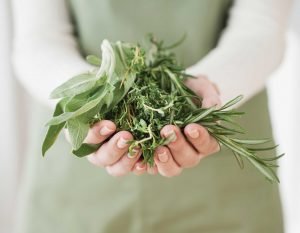
Great Burdock The root is used to treat ‘toxic overload’ that result in throat infections and skin ..