
-

1. Apples Are Nutritious A medium apple is equal to 1.5 cups of fruit. Two cups of fruit daily are recommended ..
-

1.Bananas help overcome depression due to high levels of tryptophan, which is converted into serotonin ..
-

1. Beta carotene: Carrots are a rich source of this powerful antioxidant, which, among other vital uses, ..
-

Tinnitus in the ear can occur due to ear infections, various infections, perforation of the eardrum, ..
-
Comments Off on Pregnancy Calendar – Week 5 of Your Pregnancy

5-week pregnancy “Pregnancy calendar” at week 5: Your baby’s brain is developing. You may feel ..
-
Comments Off on Pregnancy Calendar – Week 4 of Your Pregnancy

4 weeks pregnancy “Pregnancy calendar” at 4th week: A miracle begins! Your baby, now consisting ..
-

What Causes Dark Circles Under Your Eyes and How to Reduce Them
Dark circles under the eyes can make the face look tired even after a full night of sleep. They may appear brown, blue, purple, gray, or nearly black, and their visibility can change with lighting, skin tone, age, and overall health. In many cases, they are harmless and reflect normal anatomy rather than illness.
The skin around the eyes is especially thin and delicate. Blood vessels, hollows beneath the lower eyelids, changes in skin pigment, allergies, and lifestyle factors can all contribute to a shadowed appearance. Several causes may occur at the same time, which is why one remedy does not work for everyone.
Understanding the reason behind the discoloration helps you choose a sensible approach. Gentle skin care, sun protection, improved sleep, and allergy control may soften mild circles, while persistent or strongly pigmented areas may need advice from a dermatologist.
Common Causes Of Under-Eye Discoloration
Genetics is one of the most frequent explanations. Some people naturally have thinner under-eye skin, more visible blood vessels, or deeper tear troughs that create shadows. A family tendency can make dark circles appear during childhood or early adulthood, even when sleep and nutrition are good.
Aging also changes the appearance of the lower eyelids. Collagen and elastin gradually decrease, the skin becomes thinner, and fat beneath the eyes can shift. These changes may produce hollows and shadows that are sometimes mistaken for pigmentation. Fine lines and looser skin can make the area appear darker as well.
Sun exposure can stimulate extra melanin, leading to brown or gray discoloration around the eyes. Frequent rubbing may worsen pigmentation and irritation, particularly in people with sensitive skin, eczema, or seasonal allergies. Makeup residue, harsh cleansers, and fragranced products can create inflammation that leaves lingering dark marks.
Sleep, Allergies, And Daily Habits
Lack of sleep does not always cause dark circles by itself, but it can make them more noticeable. Fatigue may make the skin look pale, increasing the contrast with blood vessels beneath it. Sleep deprivation can also cause puffiness, and swollen tissue may cast deeper shadows under the eyes.
Nasal allergies are another common factor. Congestion can slow normal blood flow around the nose and eyes, creating a blue or purple tone sometimes called allergic shiners. Itching encourages rubbing, which can damage the skin barrier and increase swelling or pigmentation.
Dehydration may make the skin look dull and emphasize hollows, although drinking excessive amounts of water will not erase inherited under-eye anatomy. Smoking and heavy alcohol use can affect skin quality and sleep, while a diet lacking essential nutrients may contribute to a tired appearance. Iron deficiency can cause pallor and fatigue, making existing circles stand out, but dark circles alone do not prove anemia.
How To Tell What May Be Causing Them
Color and texture offer useful clues, though they cannot provide a definite diagnosis. Brown circles are more often linked with melanin and sun exposure, while blue, purple, or red tones may reflect visible vessels, thin skin, irritation, or congestion. A hollow under the eye can create a gray-brown shadow that skincare products cannot fully remove.
The pattern also matters. Circles that fluctuate with allergies, poor sleep, crying, or salt intake may have a strong vascular or swelling component. Discoloration that remains stable for years is more likely to involve genetics, pigmentation, or facial structure. It is common for a person to have both pigment and shadowing at once.
Appearance or pattern Possible contributing factor Helpful first step Brown or gray, fairly stable Genetics, sun exposure, post-inflammatory pigmentation Broad-spectrum sunscreen and gentle skincare Blue, purple, or reddish Thin skin, visible blood vessels, congestion Allergy control, sleep support, cool compress Dark shadow in a hollow Tear-trough anatomy, aging, volume loss Moisturizer and professional assessment if desired Puffy with itching or watering Allergy, irritation, rubbing Avoid triggers and seek appropriate allergy care Sudden, one-sided swelling or discoloration Infection, injury, or another medical problem Prompt medical evaluation A photograph taken in natural light can help you track whether the color, swelling, or texture is changing. If the area becomes painful, develops a rash, or changes rapidly, cosmetic explanations should not be assumed.
Gentle Ways To Reduce Dark Circles
Consistent sun protection is one of the most useful steps for pigment-related circles. Apply a broad-spectrum sunscreen with SPF 30 or higher to the surrounding face, taking care not to get it directly into the eyes. Sunglasses and a hat provide additional protection. Mineral formulas containing zinc oxide or titanium dioxide may be more comfortable for sensitive skin.
Use a mild, fragrance-free cleanser and a simple moisturizer designed for the face. Avoid scrubbing, rubbing, peeling, or applying kitchen ingredients such as lemon juice, baking soda, or undiluted essential oils. These substances can irritate the thin eyelid area and potentially worsen discoloration.
A cool, clean compress held over closed eyes for several minutes may temporarily reduce puffiness and make blood vessels less prominent. Chilled spoons or tea bags are sometimes used at home, but they should be clean and cool rather than frozen. Stop if stinging, redness, or irritation develops.
Lifestyle And Ingredient-Based Options
Aim for a regular sleep schedule and enough rest for your individual needs. Elevating the head slightly may reduce morning fluid buildup, especially when puffiness is prominent. Managing nasal allergies through trigger avoidance and advice from a pharmacist or clinician can help break the cycle of congestion, itching, and rubbing.
Some eye products contain caffeine, niacinamide, vitamin C derivatives, or gentle moisturizing ingredients. Caffeine may temporarily constrict blood vessels and reduce puffiness, while niacinamide can support the skin barrier and may gradually improve uneven tone. Results are usually modest and require regular use. Patch-test a new product away from the eye before applying it nearby.
Retinoids and stronger pigment-lightening treatments can irritate the eyelids and should be used only with professional guidance. Retinoids are generally avoided during pregnancy unless a qualified clinician specifically advises otherwise. Do not take iron, vitamin supplements, or herbal remedies for dark circles without identifying a deficiency or discussing them with a healthcare professional.
Professional Treatments And Medical Advice
A dermatologist can distinguish pigmentation from visible vessels, dermatitis, or tear-trough shadows. Depending on the cause, treatment may include prescription creams, carefully selected chemical peels, laser therapy, or procedures that address volume loss. Treatments near the eyes require an experienced, qualified provider because the skin is delicate and the area is close to the eye.
Dermal fillers may improve hollows in selected adults, but they are not appropriate for every type of dark circle. Bruising, swelling, lumps, infection, and rare but serious blood-vessel complications are possible. Laser and light-based procedures also carry risks of burns or changes in pigmentation, particularly in darker skin tones, so an individualized assessment is important.
Seek medical advice if darkening appears suddenly, affects only one side, or occurs with significant swelling, pain, redness, discharge, vision changes, or injury. A persistent rash, severe itching, or scaling may indicate eczema, contact dermatitis, or another skin condition. Fatigue, shortness of breath, dizziness, very pale skin, or heavy menstrual bleeding may warrant evaluation for iron deficiency or another health problem.
A Practical Daily Routine
A simple routine is often safer and more sustainable than using several strong products. In the morning, rinse or cleanse gently, apply moisturizer if needed, and use sunscreen around the orbital area. Sunglasses can reduce squinting and help limit cumulative ultraviolet exposure.
At night, remove makeup without rubbing. Apply a bland moisturizer and keep irritating acids, fragrances, and active treatments away from the eyelid margin unless a clinician has recommended them. If allergies are involved, follow an evidence-based treatment plan rather than repeatedly touching or scratching the skin.
Useful habits include:
- Keep a consistent sleep and wake schedule.
- Treat nasal allergies and avoid known irritants.
- Apply broad-spectrum SPF 30 or higher every morning.
- Use a cool compress for temporary puffiness.
- Introduce only one new eye-area product at a time and stop if irritation occurs.
Improvement depends on the underlying cause. Swelling related to poor sleep may settle within days, while pigmentation and sun-related changes can take several weeks or months. Genetic shadows and facial hollows may soften but often will not disappear completely with home care.
Dark circles under your eyes are usually a combination of inherited features, skin changes, blood vessels, allergies, pigmentation, and daily habits. Start with gentle care, sun protection, adequate rest, and control of itching or congestion. If the appearance persists, worsens, or comes with other symptoms, arrange an assessment with a healthcare professional or dermatologist so treatment matches the actual cause.
-
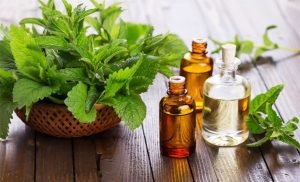
Tea Tree Essential Oil Tea tree oil is often referred to as “medicine cabinet in a bottle,” as it’s ..
-

13 surprising home remedies for acid reflux Before you reach for the heavy-duty, prescription-strength ..
-

Great Burdock The root is used to treat ‘toxic overload’ that result in throat infections and skin ..