
-
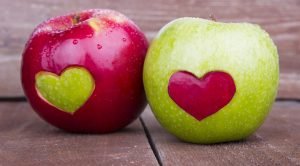
1. Apples Are Nutritious A medium apple is equal to 1.5 cups of fruit. Two cups of fruit daily are recommended ..
-
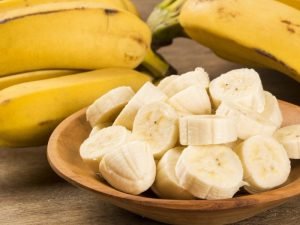
1.Bananas help overcome depression due to high levels of tryptophan, which is converted into serotonin ..
-
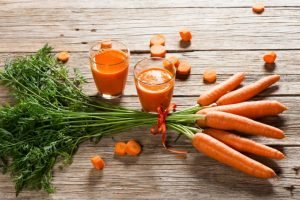
1. Beta carotene: Carrots are a rich source of this powerful antioxidant, which, among other vital uses, ..
-

Tinnitus in the ear can occur due to ear infections, various infections, perforation of the eardrum, ..
-
Comments Off on Pregnancy Calendar – Week 5 of Your Pregnancy

5-week pregnancy “Pregnancy calendar” at week 5: Your baby’s brain is developing. You may feel ..
-
Comments Off on Pregnancy Calendar – Week 4 of Your Pregnancy

4 weeks pregnancy “Pregnancy calendar” at 4th week: A miracle begins! Your baby, now consisting ..
-
What to Drink to Stay Hydrated During Pregnancy
Adequate fluid intake supports nearly every part of pregnancy, from blood circulation and digestion to temperature control and the delivery of nutrients to your growing baby. As your blood volume increases, your body usually needs more water than it did before pregnancy. Staying hydrated may also help reduce constipation, headaches, overheating, and some symptoms associated with dehydration.
Plain water is the simplest choice, but it does not have to be the only source of fluids. Milk, low-sugar drinks, soups, smoothies, and water-rich fruits can contribute to daily hydration. The best approach is to drink regularly throughout the day instead of waiting until thirst becomes strong.
Pregnancy can also make drinking difficult. Nausea, vomiting, heartburn, frequent urination, and changes in taste may affect what you can tolerate. Choosing safe, appealing beverages and taking small sips can make it easier to meet your fluid needs without worsening discomfort.
How Much Fluid Pregnancy Usually Requires
Many pregnancy health recommendations suggest aiming for about 8 to 12 cups of water and other fluids each day, with individual needs varying according to body size, activity, climate, diet, and health status. This amount refers to beverages, while foods such as watermelon, cucumber, oranges, yogurt, and broth provide additional water.
Your needs may rise during hot weather, exercise, fever, diarrhea, vomiting, or long periods spent outdoors. Breastfeeding after delivery also increases fluid requirements. Rather than forcing a large amount at once, keep a bottle nearby and drink at regular intervals from morning until evening.
Urine color can offer a general clue. Pale yellow urine commonly indicates adequate hydration, while dark yellow urine, a dry mouth, dizziness, unusual fatigue, or a strong headache may signal that you need more fluids. Urine color is not a perfect test, especially when taking certain vitamins, since prenatal supplements can make urine bright yellow.
Water And Other Safe Everyday Drinks
Plain or sparkling water without added sugar should make up much of your fluid intake. If plain water tastes unappealing, try adding lemon, lime, orange slices, berries, cucumber, or fresh mint. Chilled water, ice chips, or warm water may be easier to tolerate at different stages of pregnancy.
Milk provides fluid along with calcium, protein, and other nutrients. Pasteurized low-fat or whole milk can fit into a balanced pregnancy diet according to your calorie and nutrition needs. Fortified, unsweetened soy milk is another useful option because it can provide protein and calcium. Other plant-based milks vary widely in nutrition, so check the label for calcium, vitamin D, protein, and added sugar.
Unsweetened coconut water can provide fluid and some electrolytes, but it should not replace ordinary water throughout the day. A small glass of 100% fruit juice can contribute vitamins and fluids, although whole fruit is usually more filling and contains more fiber. Diluting juice with water may help limit added calories and the rapid intake of natural sugar.
Drinks To Limit Or Avoid
Alcohol should be avoided during pregnancy because no amount has been proven safe. This includes wine, beer, spirits, cocktails, and beverages marketed as alcohol-free when their labeling is unclear. Read labels carefully, since some fermented or botanical drinks may contain small amounts of alcohol.
Caffeine crosses the placenta, and many medical organizations advise limiting intake to 200 milligrams or less per day during pregnancy. Coffee, black tea, green tea, energy drinks, cola, chocolate beverages, and some supplements all contribute to the daily total. Caffeine content varies, so serving sizes and labels matter. Energy drinks deserve particular caution because they may contain concentrated caffeine, stimulants, and large amounts of sugar.
Sugary sodas, sweetened iced tea, flavored coffee drinks, and fruit punches can add substantial sugar without providing much nutrition. They may be occasional choices, but water and unsweetened beverages are better everyday options. Unpasteurized juices and milk can carry harmful bacteria, so choose products labeled pasteurized. Herbal products also require care; “natural” does not automatically mean safe during pregnancy. Some herbs may affect blood pressure, uterine activity, blood clotting, or medications.
Beverage How It Can Fit Into Pregnancy Hydration Points To Check Plain water Main everyday fluid and a reliable way to replace water losses Taste preferences, temperature, and access during the day Pasteurized milk Adds fluid, protein, calcium, and vitamin D when fortified Fat content, lactose tolerance, and added sugar Unsweetened soy milk Provides fluid and often useful protein and calcium Choose fortified products with minimal added sugar Sparkling water Offers variety when plain water feels boring Avoid products with added sugar; carbonation may worsen bloating 100% fruit juice Can provide fluid and some nutrients in a small serving Portion size and natural sugar Broth-based soup Adds fluid and may be helpful when appetite is low Sodium content, especially with swelling or high blood pressure Herbal tea Can be soothing and hydrating when ingredients are known Confirm safety with a prenatal clinician before regular use Energy drinks Generally a poor pregnancy beverage choice Caffeine, stimulants, sugar, and unclear ingredient combinations Hydration When Nausea Or Vomiting Is Present
Morning sickness can make the smell, taste, or volume of drinks difficult to tolerate. Small, frequent sips are often easier than drinking a full glass. Try taking a few mouthfuls every 5 to 10 minutes, using a straw, or choosing very cold fluids. Ice chips, frozen fruit pieces, diluted juice, and clear broth may be easier to manage during periods of nausea.
Some people tolerate liquids better between meals rather than with food. Ginger tea or ginger-infused water may appeal to some pregnant individuals, but concentrated supplements and herbal preparations should be discussed with a healthcare professional. If citrus worsens heartburn, use cucumber or berries for flavor instead.
Persistent vomiting can cause dehydration and loss of electrolytes. Contact a prenatal care provider if you cannot keep liquids down, are urinating very little, feel faint, have a racing heartbeat, or notice very dark urine. Immediate medical attention may be needed when vomiting is severe, accompanied by confusion or weakness, or associated with blood, fever, or significant abdominal pain.
Electrolytes, Exercise, And Hot Weather
Water is generally enough for routine daily activity, but electrolytes may be useful after prolonged sweating, repeated vomiting, diarrhea, or strenuous exercise. Sodium, potassium, and other minerals help regulate fluid balance. A prenatal clinician can advise whether an oral rehydration solution is appropriate for your situation.
Many sports drinks contain high amounts of sugar and sodium, so they are not automatically healthier than water. If one is needed after significant fluid loss, choose a reputable product, follow serving directions, and avoid taking excessive amounts. Homemade electrolyte mixtures can be incorrectly measured, which may make them unsafe.
During exercise, drink before becoming thirsty and take regular breaks in a cool place. Avoid exercising in extreme heat, and do not use thirst alone to judge hydration. Conditions such as gestational diabetes, high blood pressure, kidney disease, or heart disease may require individualized fluid and sodium guidance.
A Simple Daily Hydration Routine
A routine can make drinking enough easier when pregnancy symptoms and appointments disrupt the day. Start with a glass of water after waking, drink with meals and snacks, and refill a reusable bottle at set times. Keep fluids within reach at work, in the car, and beside the bed, while limiting large amounts right before sleep if nighttime urination is troublesome.
Food can help fill hydration gaps. Yogurt, smoothies made with pasteurized ingredients, berries, melons, grapes, lettuce, tomatoes, soups, and stews all contain water. Smoothies are more balanced when they include fruit, vegetables, pasteurized yogurt or fortified milk, and a protein source rather than large amounts of juice or sweeteners.
Useful habits include:
- Carry a marked water bottle so you can track approximate intake without measuring every sip.
- Add fruit, herbs, or ice to water when taste changes make plain water difficult.
- Choose pasteurized, low-sugar beverages and check caffeine totals across the entire day.
- Take small, frequent sips during nausea, travel, exercise, or hot weather.
- Contact your prenatal care team for personalized advice if you have vomiting, swelling, diabetes, blood-pressure concerns, or a kidney or heart condition.
When Hydration Needs Medical Guidance
Most mild changes in thirst can be managed by adjusting ordinary beverages, but pregnancy symptoms sometimes indicate a condition requiring professional assessment. Severe thirst with frequent urination may be associated with high blood sugar. Sudden swelling, headache, vision changes, or reduced urination should also be reported rather than treated by simply drinking more water.
Fluid intake may need to be adjusted for certain medical conditions. People with kidney or heart problems, significant swelling, or specific pregnancy complications should follow the plan provided by their clinician. Do not use electrolyte powders, herbal drinks, or diuretic teas as self-treatment.
Reliable pregnancy information should come from your obstetrician, midwife, or another qualified healthcare professional, especially when symptoms are persistent. For general site-related questions, you can use the website’s contact information, while urgent symptoms should be directed to a medical service.
Make hydration a steady part of your pregnancy routine: keep safe fluids available, vary your choices when needed, and respond promptly to signs of dehydration. Share your typical drinks and any troubling symptoms with your prenatal care provider so your fluid plan can support both your health and your pregnancy.
-
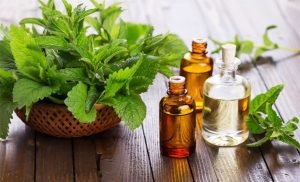
Tea Tree Essential Oil Tea tree oil is often referred to as “medicine cabinet in a bottle,” as it’s ..
-

13 surprising home remedies for acid reflux Before you reach for the heavy-duty, prescription-strength ..
-

Great Burdock The root is used to treat ‘toxic overload’ that result in throat infections and skin ..