
-

1. Apples Are Nutritious A medium apple is equal to 1.5 cups of fruit. Two cups of fruit daily are recommended ..
-
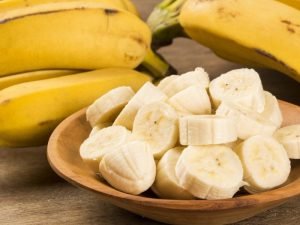
1.Bananas help overcome depression due to high levels of tryptophan, which is converted into serotonin ..
-
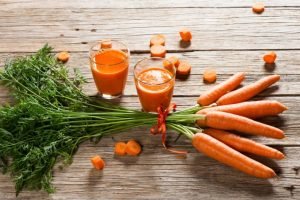
1. Beta carotene: Carrots are a rich source of this powerful antioxidant, which, among other vital uses, ..
-

Tinnitus in the ear can occur due to ear infections, various infections, perforation of the eardrum, ..
-
Comments Off on Pregnancy Calendar – Week 5 of Your Pregnancy

5-week pregnancy “Pregnancy calendar” at week 5: Your baby’s brain is developing. You may feel ..
-
Comments Off on Pregnancy Calendar – Week 4 of Your Pregnancy

4 weeks pregnancy “Pregnancy calendar” at 4th week: A miracle begins! Your baby, now consisting ..
-
Food choices for recovery after a stomach bug
A stomach bug often brings vomiting, diarrhoea, cramps and a temporary loss of appetite. Once the worst symptoms settle, food can help restore energy and provide the nutrients lost during the illness. The priority is to tolerate food comfortably, not to follow a strict recovery diet for weeks.
Start with small amounts of fluid and simple foods, then build up regular meals as your appetite returns. Choosing what to eat after a stomach bug is therefore a gradual process rather than a single strict menu. Your response matters more than a universal timetable.
Food and drink choices can help adults and children, but advice may differ for babies, pregnancy or existing conditions. General food guidance does not identify the cause of illness or replace assessment by a pharmacist, GP or urgent care service.
How a stomach bug affects digestion
Gastroenteritis, often called a stomach bug, can be caused by viruses such as norovirus or by bacteria linked to contaminated food. Food poisoning is another term for illness acquired this way. Diarrhoea and vomiting may drain fluid and electrolytes, while inflammation can make the bowel sensitive to fat, strong spices and large meals.
Most uncomplicated cases improve without a special treatment, and appetite often returns before the bowel is completely settled. Because the digestive lining has been irritated, starting with a large meal can trigger cramps or another episode of vomiting. Frequent, modest portions are usually easier to manage than three full-sized meals straight away.
Food choices cannot identify the pathogen or replace treatment when one is needed. For background beyond food choices, these health information resources can help you understand digestive symptoms and recovery more broadly.
Fluids and foods that ease recovery
Replacing fluid is the first priority, especially if you are vomiting or passing frequent loose stools. Sip steadily rather than gulping, and choose fluids your body recognises. If vomiting continues, pause briefly and restart with smaller sips; oral rehydration products may be more useful than plain water alone.
Useful drinks
- Water, sipped regularly throughout the day.
- Oral rehydration salts mixed exactly as directed on the packet.
- Clear soup or broth, with fat and salt kept modest.
- Weak tea or diluted fruit juice in small amounts.
- Plain milk or lactose-free milk if these stay down well.
Food can follow once fluids are staying down and you feel ready. Offer a few mouthfuls at first, then repeat every hour or two if they are tolerated. The goal is easy-to-digest energy, not simply eating the least food possible.
Gentle foods to try
- Plain porridge or oatmeal made with water or milk.
- White rice, mashed potato or steamed pumpkin.
- Bananas and peeled apple stewed into a smooth sauce.
- Toast, plain crackers or a small bowl of soup.
- Plain live yoghurt, eggs or tender poached chicken.
Sport and energy drinks are not a substitute for oral rehydration salts because their sugar and mineral balance is designed for different purposes. Likewise, homemade salt-and-sugar mixtures are easy to get wrong. Babies should continue breast milk or usual infant formula, with advice sought promptly about rehydration. For children, older adults, pregnancy or ongoing vomiting, ask a health professional about suitable fluids and quantities.
A gradual return to normal meals
Traditional BRAT advice—bananas, rice, applesauce and toast—can make a first meal familiar and easy to tolerate. However, this limited list does not provide everything needed for recovery. Once symptoms ease, introduce other foods instead of staying on the diet indefinitely.
Start with the foods that sit comfortably, then add protein, cooked vegetables and suitable grains in small portions. Oats, brown rice and tender cooked vegetables help supply fibre for bowel regularity, while eggs, fish, poultry, lean meat and tofu help restore protein. Add iron-rich foods such as meat, beans or fortified cereals as your strength improves.
Return to your usual fibre intake gradually rather than suddenly loading the bowel. Some people temporarily find dairy, beans or high-fibre foods harder to digest; that does not mean every person with a stomach bug needs to avoid them. Persistent intolerance after recovery deserves discussion with a clinician.
Recovery eating in Australia
In Sydney and Melbourne, a common recovery day may involve public transport, a takeaway lunch and little time to prepare food. Portable options such as a banana, plain sandwich, pot of yoghurt or home-cooked soup can prevent an empty stomach from becoming the main problem. Preparing gentle meals before symptoms begin is impossible, but keeping easy foods at home helps.
Through a hot Brisbane summer, sweating can add to fluid losses already caused by diarrhoea, although the two are not the same condition. Adults in Perth or Adelaide may prefer simple hot drinks and rice-based meals while appetite is low. Aim for ordinary household fluids with meals as well as between them, and do not restrict fluids because you want to avoid using the toilet.
Australian supermarkets such as Coles, Woolworths and Aldi commonly stock bananas, oats, rice, potatoes, tinned tuna and plain yoghurt. Chemist Warehouse and Priceline usually carry oral rehydration salts. These familiar brands and shopping routines make a practical shopping list, while avoiding costly special foods marketed as digestive cures.
Foods and drinks to limit initially
For the first day or two, prioritise foods that are soft, low in fat and not strongly spiced. Avoid greasy takeaway, fried chicken, rich gravies and large portions of meat if they increase nausea. Highly seasoned food can irritate a sensitive gut even when it would normally be well tolerated.
Limit alcohol until your appetite, sleep and hydration have clearly improved; it can irritate the stomach and contribute to dehydration. Coffee, energy drinks and concentrated caffeine may worsen cramps or reflux. Very sugary drinks, sweets and large amounts of refined carbohydrate can increase loose stools in some people.
Raw salads, sprouts and undercooked meat carry extra food-safety risk while you are recovering. You may have less energy to prepare food safely, and some infections can spread through contaminated hands or surfaces. Choose cooked produce and properly stored dairy, and maintain careful food-handling hygiene when preparing meals for others.
Probiotics and other recovery supports
Probiotics are live microorganisms offered in yoghurt, drinks or supplements. Some may modestly reduce the length of diarrhoea, especially alongside antibiotics, but benefits vary by strain and product. A food labelled with live cultures can be an easy way to add them; choose plain, unsweetened yoghurt if dairy is tolerated.
If you are considering a probiotic supplement, ask a pharmacist to check the strain, dose and whether it is suitable for you. Evidence for treating an established stomach bug is less consistent than for preventing some infections. Supplements are not automatically better than food, and gut-health marketing can obscure the limited evidence.
Take prescribed antibiotics exactly as directed and complete the course unless a clinician changes the plan. Do not use leftover antibiotics or buy them without assessment, because the right medicine depends on the cause. Zinc may help some children with diarrhoea, but it should be discussed with a health professional rather than added on your own.
When to seek medical help
Seek prompt medical care if you cannot keep fluids down, pass very little urine, feel faint or become confused. Blood in vomit or stool, severe abdominal pain, a high fever or persistent vomiting are also reasons for urgent assessment. Infants, older adults, pregnant people and anyone with a weakened immune system should receive advice early. Call 000 for collapse, severe confusion or signs of shock.
If symptoms continue beyond several days without improvement, contact a GP rather than keeping to fluids indefinitely. In Australia, public-health guidance in NSW and Victoria generally advises waiting at least 48 hours after vomiting and diarrhoea stop before returning to school or work; food handlers may need to follow stricter workplace rules. Local rules vary, so check state or territory advice.
Food businesses in Australia must comply with the Food Standards Code set by Food Standards Australia New Zealand, with enforcement through state and territory agencies and local councils. If symptoms follow a meal from a restaurant, takeaway or shared event, keep the receipt and contact the relevant food authority or council for investigation. They can advise whether food testing, recall checks or other action is needed.
-

Tea Tree Essential Oil Tea tree oil is often referred to as “medicine cabinet in a bottle,” as it’s ..
-

13 surprising home remedies for acid reflux Before you reach for the heavy-duty, prescription-strength ..
-
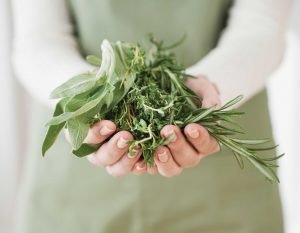
Great Burdock The root is used to treat ‘toxic overload’ that result in throat infections and skin ..