
-

1. Apples Are Nutritious A medium apple is equal to 1.5 cups of fruit. Two cups of fruit daily are recommended ..
-
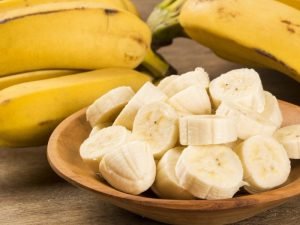
1.Bananas help overcome depression due to high levels of tryptophan, which is converted into serotonin ..
-
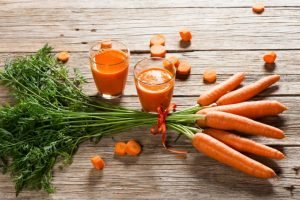
1. Beta carotene: Carrots are a rich source of this powerful antioxidant, which, among other vital uses, ..
-

Tinnitus in the ear can occur due to ear infections, various infections, perforation of the eardrum, ..
-
Comments Off on Pregnancy Calendar – Week 5 of Your Pregnancy

5-week pregnancy “Pregnancy calendar” at week 5: Your baby’s brain is developing. You may feel ..
-
Comments Off on Pregnancy Calendar – Week 4 of Your Pregnancy

4 weeks pregnancy “Pregnancy calendar” at 4th week: A miracle begins! Your baby, now consisting ..
-

What to eat before and after a workout for better recovery
Food can influence how much energy you have during exercise and how well your body repairs itself afterwards. A useful workout nutrition plan does not need expensive powders or complicated recipes. It can be built around familiar foods such as oats, yoghurt, fruit, rice, eggs, legumes, wholegrain bread and vegetables.
The best choices depend on the type, duration and intensity of training, as well as the time available before exercise. A short walk after work in Melbourne requires less preparation than a long cycle in Adelaide, a sunrise swim in Sydney or a weekend football match in Brisbane. Matching food and fluids to the session can support performance, muscle recovery and steady energy.
Match your meal to the training session
A meal before exercise should provide accessible carbohydrate, a moderate amount of protein and enough fluid. Carbohydrates are stored as glycogen in the muscles and liver, where they can be used during training. Protein helps maintain muscle tissue, although it is less important as an immediate fuel source.
The size of the meal should reflect the gap before the workout. Two to four hours beforehand, many people can manage a balanced meal containing wholegrain carbohydrates, lean protein and a small amount of healthy fat. As the session approaches, a smaller snack is usually more comfortable and should be lower in fat and fibre if digestive upset is a concern.
Someone preparing for a 45-minute weights session may feel satisfied with yoghurt, berries and oats. A person completing a long cycling route may need a more substantial meal of rice, chicken and vegetables several hours before starting. There is no single pre-exercise menu that suits every body, and training days may require more food than rest days.
Build a practical pre-workout meal
Eating too close to exercise can cause heaviness, reflux or cramping, while training after a long fast may leave you light-headed or under-fuelled. Experiment with timing during ordinary training rather than testing unfamiliar foods before an event. A simple meal that sits comfortably is usually more useful than an ideal plan that is difficult to follow.
For early morning exercise, a complete breakfast may not be realistic. A banana, a slice of toast with honey, a small tub of drinking yoghurt or a simple muesli bar can provide quick carbohydrate. If the workout is longer or more demanding, add a source of protein before or after training, depending on appetite and timing.
Easy options before exercise
- Oats made with milk, topped with banana and a small spoon of nut butter
- Wholegrain toast with cottage cheese and sliced tomato
- Greek-style yoghurt with berries and a modest serving of muesli
- A banana and a small smoothie made with milk or soy milk
- Rice cakes with a thin spread of peanut butter when only a light snack is needed
Large servings of fried food, very rich sauces and unfamiliar high-fibre meals may be harder to digest immediately before movement. This does not make those foods unhealthy; it simply means their timing may be better placed away from a demanding session. People with irritable bowel symptoms, reflux or food allergies may need individual guidance from an accredited practising dietitian.
Use hydration as part of recovery
Water is generally suitable for everyday workouts, particularly when the session is moderate and lasts less than an hour. Starting exercise already dehydrated can increase fatigue and make the workout feel harder. Drink regularly across the day rather than relying on a large amount immediately before training.
Australian conditions can change fluid needs quickly. A summer run in Perth, a humid outdoor session in Darwin or a long training session in Queensland may produce much more sweat than an indoor workout in a cool gym. Clothing, body size, pace and acclimatisation also influence fluid loss. Weighing before and after occasional long sessions can help an athlete understand personal sweat patterns, although it is not necessary for most recreational exercisers.
For prolonged, vigorous exercise with heavy sweating, a drink containing carbohydrate and electrolytes may be useful. Sports drinks can provide sodium and fuel, but they may also contain considerable sugar, so they are not required for every gym visit. Alcohol is a poor recovery choice because it can interfere with sleep, hydration and sensible food decisions.
Fluids are also found in milk, fruit, soups and many meals. Pale yellow urine can be a rough sign of adequate hydration, but it is not a perfect medical measure. Persistent dizziness, confusion, fainting, vomiting or inability to keep fluids down requires prompt medical attention, particularly during hot weather.
Prioritise protein and carbohydrate after training
After exercise, the body benefits from protein to support muscle repair and carbohydrate to restore glycogen. A meal or snack containing both is a practical approach, especially after endurance training, high-volume resistance work or a session followed by another active commitment.
The need to eat immediately is often overstated. For most people, having a balanced meal within the next few hours is sufficient. A more prompt snack may be helpful when training was hard, breakfast was missed, another session is planned soon, or appetite is low. Protein can be spread across the day rather than consumed in one very large serving at night.
Useful protein sources include eggs, fish, chicken, lean meat, milk, yoghurt, tofu, tempeh, beans and lentils. Combining plant foods across the day can provide a broad range of amino acids without depending on supplements. Carbohydrate sources such as potatoes, rice, pasta, fruit, oats and bread replenish energy stores and support the next workout.
Reliable post-workout combinations
- A baked potato with tuna, cottage cheese or beans and a side salad
- Milk or soy milk blended with banana, oats and yoghurt
- Wholegrain pasta with lentil, tomato and vegetable sauce
- Eggs on toast with avocado and fresh fruit
- Rice with tofu or chicken, mixed vegetables and a small amount of sesame dressing
These meals can be adjusted for appetite and training load. A lighter snack may be enough after a gentle mobility session, while a larger meal may be appropriate after a long run or demanding strength workout. The overall pattern of eating across the day matters more than a single “perfect” recovery food.
Choose foods that support muscle repair
Protein quality and total intake both matter. People who lift weights, train frequently or reduce their calorie intake may need particular attention to protein distribution. Including a protein-rich food at breakfast, lunch, dinner and one or two snacks can be easier than trying to compensate with a large evening serving.
Carbohydrate should not be treated as an enemy of fitness. It is a major fuel for running, cycling, swimming, team sports and high-intensity intervals. Restricting it too aggressively can contribute to poor training quality, irritability and slow recovery. Wholegrain foods, legumes, fruit and starchy vegetables also provide fibre, vitamins and minerals.
Healthy fats support general health, but they digest more slowly than carbohydrate. Avocado, nuts, seeds, olive oil and oily fish can fit well into meals eaten several hours before or after training. Keep very fatty meals away from sessions when they cause discomfort, particularly before running or exercises involving a lot of bouncing.
Micronutrients deserve attention as well. Iron-rich foods such as lean red meat, legumes, tofu and fortified cereals are important for oxygen transport, while calcium and vitamin D support bone health. People with heavy menstrual bleeding, restrictive diets, repeated injuries or persistent fatigue should speak with a GP before taking iron or other supplements.
Adapt meals to your schedule and goals
A person seeking muscle gain may need additional total energy and protein, while someone training for weight loss still needs enough food to exercise safely and recover. Reducing overall intake too sharply can impair sleep, mood, immune function and menstrual health. Performance goals are easier to support when meals are regular and satisfying.
Busy Australian routines often require portable options. A worker commuting across Sydney or Melbourne might pack yoghurt, fruit and a sandwich rather than depend on a vending machine after an evening gym session. A cooler bag can keep dairy, eggs and cooked chicken at a safe temperature. In regional areas, shelf-stable options such as UHT milk, canned fish, roasted chickpeas and wholegrain crackers can be practical.
Local supermarkets and farmers’ markets offer plenty of recovery foods without requiring specialist products. Australian-grown bananas, apples, citrus, sweet potatoes, leafy greens and legumes can form the basis of affordable meals. Frozen vegetables and canned beans are also nutritious choices and may reduce waste when fresh produce is expensive or unavailable.
Read supplement labels carefully. In Australia, packaged food labelling and ingredient information are regulated through the Food Standards Australia New Zealand framework, while many therapeutic goods and sports supplements fall under the Therapeutic Goods Administration. “Natural”, “clean” or “performance” on a label does not guarantee effectiveness or safety. Some products can contain excessive stimulants or ingredients that are unsuitable for pregnancy, breastfeeding, medical conditions or medication use.
Know when personalised advice is needed
General nutrition advice may not be enough for people with diabetes, kidney disease, gastrointestinal disorders, food allergies or a history of disordered eating. Pregnancy also changes nutritional needs, and intense exercise during pregnancy should be discussed with a qualified healthcare professional. A GP or accredited practising dietitian can help adapt food, fluid and supplement choices safely.
Athletes competing under anti-doping rules should be especially cautious with pre-workout powders, fat burners and muscle-building products. Even when a substance is legal to purchase, a supplement may contain undeclared ingredients or create a risk under sport regulations. Checking products through reputable Australian resources and seeking advice from a sports dietitian can reduce that risk.
Recovery also depends on sleep, rest days and gradual training progression. Food cannot fully compensate for repeated sleep deprivation, dehydration or excessive training volume. A regular post-exercise meal, enough daily energy and adequate fluids provide a strong foundation, while warning signs such as chest pain, fainting, severe breathlessness or ongoing exhaustion should be assessed medically.
For most active adults, the central approach is simple: eat a comfortable carbohydrate-based meal or snack before demanding exercise, drink according to conditions and sweat loss, and combine protein with carbohydrate afterwards. Consistency, tolerance and total daily nourishment are more valuable than chasing a narrowly timed food or expensive recovery supplement.
-

Tea Tree Essential Oil Tea tree oil is often referred to as “medicine cabinet in a bottle,” as it’s ..
-

13 surprising home remedies for acid reflux Before you reach for the heavy-duty, prescription-strength ..
-

Great Burdock The root is used to treat ‘toxic overload’ that result in throat infections and skin ..