
-
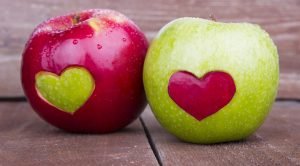
1. Apples Are Nutritious A medium apple is equal to 1.5 cups of fruit. Two cups of fruit daily are recommended ..
-
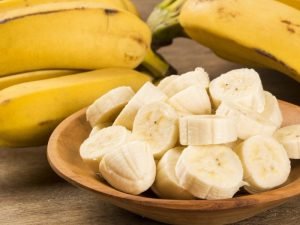
1.Bananas help overcome depression due to high levels of tryptophan, which is converted into serotonin ..
-
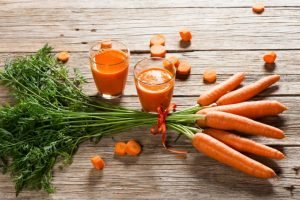
1. Beta carotene: Carrots are a rich source of this powerful antioxidant, which, among other vital uses, ..
-

Tinnitus in the ear can occur due to ear infections, various infections, perforation of the eardrum, ..
-
Comments Off on Pregnancy Calendar – Week 5 of Your Pregnancy

5-week pregnancy “Pregnancy calendar” at week 5: Your baby’s brain is developing. You may feel ..
-
Comments Off on Pregnancy Calendar – Week 4 of Your Pregnancy

4 weeks pregnancy “Pregnancy calendar” at 4th week: A miracle begins! Your baby, now consisting ..
-

What to Eat During Each Trimester of Pregnancy for Optimal Nutrition
Pregnancy nutrition changes as the baby grows, but there is no need to follow a complicated or expensive eating plan. A varied diet built around vegetables, fruit, whole grains, beans, protein foods, dairy or fortified alternatives, and healthy fats can supply many essential nutrients. The right balance also supports the pregnant person’s energy, digestion, blood volume, and changing appetite.
Nutritional needs are individual. A person carrying twins, managing diabetes, experiencing severe nausea, or following a vegetarian or vegan diet may require personalized guidance from an obstetrician, midwife, or registered dietitian. Prenatal vitamins can fill dietary gaps, but they do not replace regular meals.
The following trimester-by-trimester guide focuses on practical food choices, important pregnancy nutrients, and safe ways to respond to common symptoms. Calorie needs generally rise gradually rather than doubling, so food quality matters more than simply eating larger portions.
Nutritional Priorities From the Start
The first priority is a reliable prenatal supplement containing folic acid or methylfolate, iron, iodine, and other nutrients recommended by a healthcare professional. Folic acid is especially important before conception and during early pregnancy because it supports the development of the baby’s neural tube. Many people also need attention to vitamin D, vitamin B12, choline, and omega-3 fats.
Protein supports the growth of the placenta, uterus, blood supply, and baby. Good options include eggs, poultry, fish low in mercury, lean meat, tofu, tempeh, lentils, beans, Greek yogurt, cottage cheese, and nut or seed butters. Combining plant proteins throughout the day can make a vegetarian pregnancy diet more complete and satisfying.
Fiber-rich foods help relieve constipation, which becomes common as pregnancy hormones slow digestion. Oats, pears, berries, beans, vegetables, whole-grain bread, brown rice, and chia or ground flaxseed can help. Increase fiber gradually and drink enough water, since a sudden increase without adequate fluids may worsen bloating.
Eating Well During The First Trimester
During the first trimester, nausea, vomiting, food aversions, and fatigue can make a balanced diet difficult. Small meals every two or three hours may be easier than three large meals. Dry whole-grain crackers, toast, rice, bananas, applesauce, or plain cereal can be useful before getting out of bed if morning sickness is strongest early in the day.
When smells trigger nausea, cold foods often seem more tolerable because they produce less aroma. Try chilled fruit, yogurt, smoothies, pasta salad, sandwiches, or cooked vegetables served at room temperature. Ginger tea, ginger candies, or foods containing modest amounts of ginger may ease nausea for some people, although concentrated herbal products should be discussed with a clinician.
If vomiting prevents fluids from staying down, urine becomes very dark, dizziness develops, or weight is falling, medical advice is important. Severe pregnancy sickness can lead to dehydration and nutrient deficiencies. A clinician may recommend safe anti-nausea treatment and a hydration plan rather than expecting someone to manage symptoms through food alone.
Even when appetite is low, prioritize small portions of foods containing folate, iron, protein, and fluids. A smoothie made with pasteurized yogurt, fruit, spinach, and nut butter can provide several nutrients at once. People who cannot tolerate prenatal vitamins may need to ask whether changing the time, formulation, or dosage is appropriate.
Food Choices For The Second Trimester
Many people experience improved appetite in the second trimester. This is a good time to establish regular meals that include a source of protein, high-fiber carbohydrates, colorful produce, and healthy fat. For example, a meal might combine grilled salmon, quinoa, roasted vegetables, and yogurt sauce, while a plant-based version could use lentils, brown rice, avocado, and fortified soy yogurt.
Iron needs rise substantially during pregnancy because the body makes more blood. Iron-rich foods include lean beef, chicken, turkey, lentils, beans, tofu, spinach, pumpkin seeds, and iron-fortified cereals. Pair plant sources with vitamin C foods such as oranges, kiwi, tomatoes, bell peppers, or strawberries to improve absorption. Tea and coffee can reduce iron absorption when consumed with meals, so spacing them away from iron-rich food may help.
Calcium and vitamin D support the baby’s developing bones and teeth while helping maintain the pregnant person’s own bone health. Choose milk, pasteurized cheese, yogurt, calcium-set tofu, canned salmon with bones, or fortified plant beverages. Check labels because not every plant milk contains equivalent amounts of calcium, vitamin D, protein, or iodine.
Choline supports fetal brain and nervous system development. Eggs are a particularly useful source, while soybeans, meat, fish, dairy products, potatoes, and some legumes also contribute. Since prenatal supplements vary in their choline content, diet and supplement needs should be reviewed together rather than assuming a standard prenatal contains everything required.
A Trimester Nutrition At A Glance
The best foods depend on symptoms, culture, budget, allergies, and medical needs. This comparison provides a practical emphasis for each stage without treating trimester boundaries as rigid rules.
Pregnancy stage Main nutrition focus Useful foods Helpful approach First trimester Folic acid, hydration, manageable protein, vitamin B6 and iron Fortified cereal, eggs, bananas, beans, crackers, yogurt, leafy greens Eat small, frequent meals and choose tolerable foods during nausea Second trimester Iron, calcium, vitamin D, choline, fiber, steady protein Lentils, lean meat, salmon, tofu, dairy, fortified soy milk, oats, fruit Build balanced meals and increase nutrient density as appetite improves Third trimester Protein, omega-3 fats, iron, calcium, fiber, fluids Low-mercury fish, poultry, beans, nuts, seeds, vegetables, whole grains Use smaller meals, manage reflux, and support energy and digestion Supporting The Third Trimester
In the third trimester, the baby’s growth accelerates and the uterus can leave less room for large meals. Eating five or six smaller meals may reduce heartburn, pressure, and uncomfortable fullness. Remain upright after eating, avoid lying down soon after meals, and identify personal triggers such as spicy, fried, or very acidic foods if reflux is troublesome.
Protein remains important, particularly when appetite is limited. Add eggs to toast, hummus to whole-grain crackers, nut butter to fruit, beans to soup, or shredded chicken to a grain bowl. Snacks that combine protein and carbohydrates, such as yogurt with berries or cheese with an apple, may support steady energy better than sweets alone.
Omega-3 fats, especially DHA, contribute to fetal brain and eye development. Low-mercury fish such as salmon, sardines, trout, shrimp, pollock, and canned light tuna can be included according to current local guidance. People who do not eat fish can ask a healthcare professional about an algae-based DHA supplement.
Constipation and swelling may become more noticeable late in pregnancy. Water, fiber, gentle movement when approved, and potassium-rich foods such as potatoes, bananas, beans, avocado, and leafy greens can support comfort. Sudden or severe swelling, especially with headache, vision changes, or upper abdominal pain, requires urgent medical assessment rather than dietary self-treatment.
Safety Rules For Pregnancy Foods
Food safety is as important as nutrient content. Avoid raw or undercooked eggs, meat, poultry, and seafood, as well as unpasteurized milk, cheese, and juice. Reheat deli meat, hot dogs, and refrigerated pâté until steaming unless a clinician has given different advice. Wash produce under running water, prevent cross-contamination, and refrigerate perishable food promptly.
Choose fish carefully because mercury can affect the developing nervous system. Avoid high-mercury fish such as shark, swordfish, king mackerel, marlin, orange roughy, and tilefish from the Gulf of Mexico. Limit tuna according to regional recommendations, and check local advisories for fish caught in lakes or rivers.
Alcohol should be avoided during pregnancy because no safe amount has been established. Caffeine is commonly limited to about 200 milligrams daily, although individual medical advice may differ. Energy drinks are a poor choice because they may contain concentrated caffeine and stimulants. Herbal teas and supplements also deserve caution: “natural” does not automatically mean safe in pregnancy.
For questions about a food reaction, supplement concern, or pregnancy nutrition issue, readers can use the website’s contact information, while urgent symptoms should be directed to a qualified healthcare professional or emergency service.
Making Balanced Meals More Practical
A simple plate method can reduce the stress of planning. Fill about half the plate with vegetables or fruit, one-quarter with protein, and one-quarter with whole grains or starchy vegetables. Add a source of healthy fat, such as olive oil, avocado, tahini, walnuts, or seeds. This structure can be adapted to many cuisines and does not require calorie counting.
Keep convenient ingredients available for days when fatigue is strong. Frozen vegetables, canned beans, prewashed greens, pasteurized yogurt, whole-grain wraps, canned low-mercury fish, and unsalted nuts can shorten preparation time. Choose lower-sodium packaged foods when possible, but do not feel pressure to make every meal perfect.
A weekly grocery plan might include two or three protein choices, several fruits, leafy and brightly colored vegetables, whole grains, calcium-rich foods, and ingredients for quick snacks. If vegetarian, vegan, gluten-free, or dairy-free eating is necessary, pay particular attention to iron, vitamin B12, iodine, calcium, vitamin D, zinc, protein, and DHA.
Habits That Strengthen Pregnancy Nutrition
- Take a prenatal supplement as directed and ask whether it contains enough folic acid, iron, iodine, vitamin D, choline, and DHA for your needs.
- Include protein and fiber at most meals to support fullness, digestion, and stable energy.
- Choose two or three servings of low-mercury fish weekly when medically and culturally appropriate, or discuss an algae-based DHA option.
- Keep safe snacks and fluids nearby, especially during nausea, fatigue, or the final weeks of pregnancy.
- Seek professional advice for persistent vomiting, anemia, gestational diabetes, food allergies, restricted diets, or concerns about weight gain.
Every pregnancy has different nutritional demands, and appetite may vary from day to day. Aim for steady nourishment rather than perfection: eat what is tolerable during difficult periods, return to variety as symptoms ease, and use professional guidance when medical conditions affect food choices. A thoughtful meal pattern across all three trimesters can support maternal well-being and fetal growth while remaining flexible enough for real life.
-
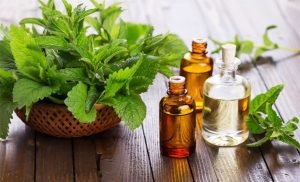
Tea Tree Essential Oil Tea tree oil is often referred to as “medicine cabinet in a bottle,” as it’s ..
-

13 surprising home remedies for acid reflux Before you reach for the heavy-duty, prescription-strength ..
-
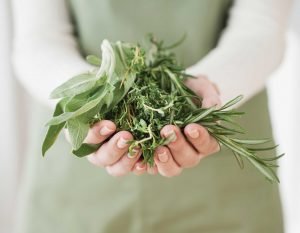
Great Burdock The root is used to treat ‘toxic overload’ that result in throat infections and skin ..