
-

1. Apples Are Nutritious A medium apple is equal to 1.5 cups of fruit. Two cups of fruit daily are recommended ..
-

1.Bananas help overcome depression due to high levels of tryptophan, which is converted into serotonin ..
-
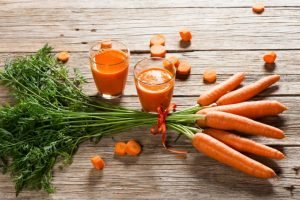
1. Beta carotene: Carrots are a rich source of this powerful antioxidant, which, among other vital uses, ..
-

Tinnitus in the ear can occur due to ear infections, various infections, perforation of the eardrum, ..
-
Comments Off on Pregnancy Calendar – Week 5 of Your Pregnancy

5-week pregnancy “Pregnancy calendar” at week 5: Your baby’s brain is developing. You may feel ..
-
Comments Off on Pregnancy Calendar – Week 4 of Your Pregnancy

4 weeks pregnancy “Pregnancy calendar” at 4th week: A miracle begins! Your baby, now consisting ..
-

Foods That Support Strong Bones And Healthier Joints With Age
Healthy bones and flexible joints help preserve balance, mobility, independence, and confidence as the years pass. Bone tissue is constantly renewed, while cartilage, muscles, tendons, and connective tissue respond to physical activity and nutrition. A varied eating pattern can give these structures the raw materials they need.
There is no single “bone-strengthening” food that prevents every fracture or joint problem. The most useful approach combines adequate protein, calcium-rich foods, vitamin D, mineral-rich produce, healthy fats, and regular movement. Food choices also matter because excess sodium, heavy alcohol intake, and a diet dominated by ultra-processed foods may work against long-term musculoskeletal health.
Aging can change appetite, digestion, activity levels, and nutrient absorption. Some adults also take medicines that affect calcium or vitamin D status. For that reason, meals should be nourishing and realistic rather than based on restrictive rules or large doses of supplements.
Prioritize Calcium From Everyday Foods
Calcium is a major structural mineral in bones. When dietary intake is consistently low, the body can draw calcium from bone stores to maintain important functions such as muscle contraction and nerve signaling. Meeting daily needs through food is generally preferable because calcium-rich foods often provide protein, phosphorus, potassium, or other useful nutrients at the same time.
Dairy products are familiar sources: plain yogurt, milk, kefir, and cheese can be included according to personal preference and tolerance. Fortified soy milk is another valuable option, especially when it provides a similar amount of calcium and vitamin D to dairy milk. Calcium-set tofu, canned salmon or sardines with edible bones, and fortified plant yogurts can also contribute.
Some leafy greens contain calcium, although the body absorbs it differently depending on the vegetable. Kale, bok choy, and collard greens are practical choices. Spinach contains calcium, yet its oxalates reduce absorption, so it should not be treated as the only source. Spread calcium-containing foods across meals instead of relying on one large serving.
Pair Vitamin D, Protein, And Bone-Building Minerals
Vitamin D helps the body absorb calcium and supports normal muscle function. Few foods naturally contain substantial amounts, but fatty fish such as salmon, trout, sardines, and mackerel can help. Egg yolks and some mushrooms provide smaller amounts, while fortified milk, cereals, and plant beverages may be useful additions. Sunlight can contribute to vitamin D production, though season, skin tone, age, location, clothing, and sunscreen use all affect this process.
Protein deserves equal attention. Bones contain a protein framework, and muscles protect joints and help reduce fall risk. Include a protein source at each meal, such as beans, lentils, eggs, fish, poultry, tofu, tempeh, yogurt, or cottage cheese. Older adults who eat very little may benefit from adding nutrient-dense snacks rather than trying to consume very large meals.
Magnesium, phosphorus, potassium, zinc, and vitamin K also participate in bone metabolism or general tissue health. Nuts, seeds, beans, whole grains, vegetables, fruit, and seafood provide these nutrients in a food-based pattern. Vitamin K-rich vegetables such as broccoli and leafy greens are compatible with a balanced diet, but anyone taking warfarin should discuss major dietary changes with a healthcare professional rather than suddenly increasing or restricting them.
Choose Foods That May Help Joints Move Comfortably
Joint health is influenced by body weight, muscle strength, injury history, activity, inflammation, and conditions such as osteoarthritis. Food cannot rebuild worn cartilage overnight, but a Mediterranean-style pattern may support overall health and help manage factors associated with joint discomfort. This pattern emphasizes vegetables, fruits, beans, whole grains, fish, olive oil, nuts, and modest amounts of poultry or dairy.
Omega-3 fats in salmon, sardines, trout, and other oily fish are especially useful within this eating style. Plant sources such as walnuts, chia seeds, flaxseed, and hemp hearts provide alpha-linolenic acid, which the body converts only partially to the forms found in fish. Adding ground flaxseed to oatmeal or yogurt is an easy way to increase fiber and healthy fats.
Colorful produce supplies vitamin C and protective plant compounds. Citrus fruit, berries, kiwi, peppers, tomatoes, cabbage, and broccoli support collagen formation and general tissue maintenance. Garlic, ginger, turmeric, and herbs can add flavor while reducing reliance on excessive salt. These foods are supportive parts of a dietary pattern, not guaranteed treatments for arthritis or chronic pain.
Maintaining a comfortable body weight can also reduce mechanical stress on weight-bearing joints. If weight loss is appropriate, gradual changes built around satisfying meals are more sustainable than severe restriction. A registered dietitian can help adapt a bone- and joint-friendly plan to appetite, budget, cultural foods, and medical needs.
Match Nutrients With Practical Meal Choices
A strong eating pattern becomes easier when nutrients are connected to familiar meals. Breakfast might include fortified yogurt, berries, oats, and walnuts, or eggs with whole-grain toast and sautéed greens. Lunch could combine lentil soup with a vegetable salad and a calcium-fortified beverage. For dinner, baked salmon, roasted vegetables, and a side of quinoa or beans provide protein, minerals, fiber, and healthy fats.
The following options can be mixed and matched rather than followed as a rigid menu:
Nutrient or food group Helpful choices Simple ways to use them Calcium Yogurt, milk, fortified soy beverage, calcium-set tofu, sardines Add to breakfast, smoothies, soups, or grain bowls Vitamin D Salmon, trout, egg yolk, fortified foods, UV-exposed mushrooms Include fatty fish several times weekly when suitable Protein Beans, lentils, eggs, tofu, fish, poultry, Greek yogurt Add one source to every meal and snack Magnesium and zinc Pumpkin seeds, almonds, beans, oats, whole grains Sprinkle seeds over yogurt, salads, or porridge Vitamin K and vitamin C Kale, broccoli, cabbage, peppers, citrus, berries Fill half the plate with varied produce Omega-3 fats Sardines, salmon, walnuts, chia, ground flaxseed Use fish in meals and seeds in breakfast foods Hydration also supports normal circulation, digestion, and physical activity. Water, milk, unsweetened fortified beverages, and soups can all contribute. Tea can fit into a healthy routine, but sugary drinks provide calories without the same nutritional value. Caffeine does not need to be eliminated for most people, although very high intake and poor overall calcium consumption may be worth reviewing.
Limit Habits That Can Weaken Bone And Joint Support
A diet high in salty packaged meals, processed meats, sweetened drinks, and refined snacks can displace foods that supply calcium, protein, and minerals. Sodium is not inherently harmful in normal amounts, but consistently high intake can be a concern for blood pressure and may increase urinary calcium losses. Compare labels on canned foods, choose no-salt-added options when possible, and season meals with herbs, citrus, garlic, or spices.
Heavy alcohol consumption is associated with poorer bone health and a higher risk of falls. Keeping alcohol low or avoiding it is the safer choice for many older adults, especially those taking medicines or managing liver disease, balance problems, or osteoporosis. Smoking also harms bone health and slows healing, so stopping provides meaningful benefits beyond the skeleton.
Very restrictive diets can create gaps in protein, calcium, vitamin D, or total energy. This risk may arise with poorly planned vegan diets, severe low-calorie diets, or appetite loss after illness. Plant-based eating can support strong bones when it includes fortified foods, legumes, tofu, nuts, seeds, whole grains, and a reliable vitamin B12 source, with vitamin D and calcium intake checked carefully.
Supplements are not automatically better than food. Excessive calcium or vitamin D can cause side effects and may interact with kidney conditions or medicines. A clinician can assess diet, fracture risk, laboratory results, and medications before recommending a supplement. People with osteoporosis, recurrent fractures, kidney disease, malabsorption, or long-term steroid use deserve individualized guidance.
Combine Nutrition With Movement And Medical Care
Food supports the skeleton, but bones respond to use. Weight-bearing activity such as brisk walking, dancing, stair climbing, or low-impact aerobics can stimulate bone maintenance when appropriate. Resistance training helps preserve muscle and strength, while balance exercises such as tai chi may reduce fall risk. Begin at a suitable level, especially after surgery, a fracture, or a long period of inactivity.
Joint-friendly movement does not have to mean avoiding activity. Swimming and cycling offer cardiovascular exercise with less impact, while strength work can improve the muscles surrounding vulnerable joints. A physical therapist can suggest modifications for knee, hip, shoulder, or back pain. Sharp pain, swelling, instability, or pain that persists should be evaluated rather than pushed through.
Bone density screening may be appropriate based on age, sex, family history, previous fractures, medication use, and other risk factors. A healthcare professional can also review calcium and vitamin D intake, fall hazards, and medicines that affect balance or bone turnover. Nutrition works best as one part of a broader prevention plan.
Everyday Choices Worth Repeating
- Include a calcium-rich food at two or three meals, such as yogurt, fortified soy milk, tofu, or canned fish with bones.
- Add a dependable protein source to breakfast, lunch, dinner, and suitable snacks.
- Eat several servings of colorful vegetables and fruit daily, with leafy greens and vitamin C-rich produce in regular rotation.
- Choose fatty fish, walnuts, chia seeds, or ground flaxseed to bring more omega-3 fats into the week.
- Reduce excess sodium, avoid smoking, keep alcohol moderate or absent, and pair nourishing meals with strength, balance, and weight-bearing activity.
Make Bone And Joint Health A Daily Practice
Stronger bones and more comfortable joints are supported by repeated habits rather than occasional health-food purchases. Build meals around protein, calcium, vegetables, fruit, whole grains, and healthy fats. Keep convenient options available, such as yogurt, canned salmon, unsalted nuts, washed greens, beans, and fortified beverages, so nutritious choices remain practical on busy days.
Start with one meal this week: add yogurt and fruit at breakfast, beans and greens at lunch, or fish and roasted vegetables at dinner. Keep the changes consistent, discuss supplements and screening with a qualified healthcare professional when needed, and let each balanced meal contribute to steadier mobility in the years ahead.
-

Tea Tree Essential Oil Tea tree oil is often referred to as “medicine cabinet in a bottle,” as it’s ..
-

13 surprising home remedies for acid reflux Before you reach for the heavy-duty, prescription-strength ..
-

Great Burdock The root is used to treat ‘toxic overload’ that result in throat infections and skin ..