
-

1. Apples Are Nutritious A medium apple is equal to 1.5 cups of fruit. Two cups of fruit daily are recommended ..
-
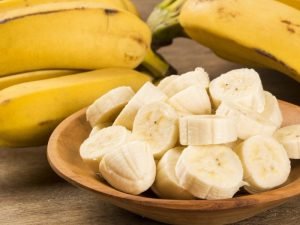
1.Bananas help overcome depression due to high levels of tryptophan, which is converted into serotonin ..
-
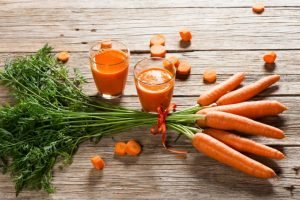
1. Beta carotene: Carrots are a rich source of this powerful antioxidant, which, among other vital uses, ..
-

Tinnitus in the ear can occur due to ear infections, various infections, perforation of the eardrum, ..
-
Comments Off on Pregnancy Calendar – Week 5 of Your Pregnancy

5-week pregnancy “Pregnancy calendar” at week 5: Your baby’s brain is developing. You may feel ..
-
Comments Off on Pregnancy Calendar – Week 4 of Your Pregnancy

4 weeks pregnancy “Pregnancy calendar” at 4th week: A miracle begins! Your baby, now consisting ..
-

What to eat to support healthy kidney function
The kidneys filter waste from the blood, help balance fluids and minerals, regulate blood pressure, and contribute to healthy red blood cell production. Everyday food choices can support these jobs by reducing excess sodium, providing useful nutrients, and helping maintain a healthy weight and blood pressure.
A kidney-friendly eating pattern is not a single rigid diet. The best choices depend on overall health, blood pressure, diabetes status, kidney function, medications, and whether someone has chronic kidney disease (CKD). A person with reduced kidney function may need limits on potassium, phosphorus, protein, or fluids that would not be necessary for someone with healthy kidneys.
For most adults, meals built around vegetables, fruit in suitable portions, whole grains, unsalted foods, and moderate amounts of lean protein offer a practical foundation. The goal is to make sustainable choices rather than rely on one “superfood” or a short-term cleanse.
Build meals around fresh, minimally processed foods
Fresh vegetables and fruit provide fiber, antioxidants, and a wide range of vitamins and minerals. Apples, berries, grapes, cabbage, cauliflower, bell peppers, onions, and green beans are common choices that can fit many kidney-conscious meal plans. Their nutritional value is especially useful when they replace salty packaged snacks or heavily processed side dishes.
Whole grains such as oats, brown rice, bulgur, and whole-grain bread can support digestive health and steadier blood sugar. However, people with advanced CKD may receive individualized advice about phosphorus, potassium, or serving sizes. A food that is generally nutritious is not automatically suitable in unlimited amounts for every kidney condition.
Look for foods with short ingredient lists and little added salt. Cooking at home makes it easier to control sodium and avoid concentrated sauces, seasoning packets, cured meats, and instant meals. Garlic, lemon, vinegar, paprika, rosemary, basil, and black pepper can add flavor without relying on the salt shaker.
Choose fluids and sodium with care
Water is usually the main beverage for people with normally functioning kidneys. Regular hydration helps the body remove waste through urine, but drinking excessive amounts does not “flush” the kidneys or repair kidney damage. Fluid needs vary with climate, exercise, heart health, medications, and kidney function.
Sugary drinks can contribute to weight gain and poor blood sugar control, both of which may raise the risk of kidney problems over time. Frequent intake of cola beverages may also add phosphorus-containing ingredients. Water, unsweetened tea, and sparkling water without added sugar are generally better everyday options.
Sodium deserves particular attention because excess salt can increase blood pressure and cause fluid retention. Compare nutrition labels, choose “no salt added” or low-sodium products when available, and rinse canned beans and vegetables before eating. Restaurant meals may contain a full day’s sodium in one serving, so smaller portions and simpler preparations can help.
People with swelling, heart failure, dialysis treatment, or a prescribed fluid restriction should follow their clinician’s guidance rather than increasing fluids independently. Changes in urination, sudden weight gain, or persistent swelling deserve medical attention.
Include kidney-supportive nutrients in balanced portions
Fiber-rich foods support cardiovascular health, blood sugar regulation, and regular bowel movements. These benefits matter because high blood pressure and diabetes are major contributors to kidney disease. Lentils, beans, oats, vegetables, berries, and whole grains can all contribute fiber, although portions may need adjustment when potassium or phosphorus is restricted.
Healthy fats from olive oil, avocado, unsalted nuts, seeds, and oily fish can replace saturated fats found in fatty meats and many fried foods. Salmon, sardines, and trout provide omega-3 fats, while plant oils work well for roasting or dressing vegetables. Anyone with kidney disease should ask a dietitian how to fit nuts, seeds, beans, and fish into their mineral and protein targets.
Protein is essential for muscles, immunity, healing, and hormone production, but very high-protein diets can be inappropriate for some people with CKD. Choose reasonable portions of fish, poultry, eggs, tofu, beans, or low-fat dairy according to individual advice. Avoid assuming that protein powders, bodybuilding supplements, or herbal products are harmless because they are marketed as natural.
For questions about food reactions or health content, readers can use the site’s protected contact link to reach the publisher. Medical decisions, however, should come from a qualified healthcare professional who knows the person’s history.
Compare common choices by their kidney-friendly features
The most useful substitution is often a simple one: replace a highly processed food with a fresh or lightly prepared alternative. This can reduce sodium, added sugar, and preservatives while increasing fiber and nutrient density. Portion size still matters, particularly for people whose blood potassium or phosphorus is elevated.
The following examples are general starting points, not a treatment plan. Canned, packaged, or restaurant versions may have very different nutrition profiles from foods prepared at home.
Instead of choosing often Consider more often Why it may help Processed meats such as bacon or sausage Fresh chicken, fish, eggs, or tofu Usually less sodium and fewer preservatives Instant noodles or salty ready meals Brown rice, oats, or homemade grain bowls More control over salt and ingredients Sweetened soda or energy drinks Water or unsweetened beverages Less added sugar and fewer additives Chips and salted crackers Unsalted popcorn, fruit, or sliced vegetables Lower sodium with more fiber or volume Creamy fried dishes Grilled foods with olive oil and herbs Often less saturated fat and salt Salt-heavy sauces Lemon, garlic, vinegar, and fresh herbs Flavor without as much sodium When buying packaged food, check serving sizes carefully. A label may list sodium, potassium, or phosphorus additives differently depending on local regulations. Ingredients containing “phos-,” such as phosphate or phosphoric acid, can signal added phosphorus, but people should not remove nutritious foods without professional guidance.
Adjust potassium and phosphorus only when needed
Potassium helps nerves, muscles, and the heart function properly. Many fruits and vegetables contain potassium, but that does not mean everyone should avoid them. Healthy kidneys usually remove excess potassium efficiently, while kidney disease, certain medicines, or an acute illness can cause potassium to rise or fall.
If testing shows high potassium, a renal dietitian may recommend adjusting portions or choosing lower-potassium alternatives. Apples, berries, grapes, pineapple, cabbage, cucumber, cauliflower, and green beans may be included in suitable plans, while bananas, oranges, tomatoes, potatoes, avocados, and dried fruit may need more careful portioning for some individuals. Food preparation methods such as leaching can sometimes reduce potassium, but they should be taught by a professional.
Phosphorus is important for bones and energy metabolism, yet elevated phosphorus can occur when kidney function declines. Processed foods with phosphate additives may be absorbed more readily than naturally occurring phosphorus. Reading ingredient lists and emphasizing fresh foods can help, but dairy products, legumes, nuts, seeds, and whole grains should not be restricted automatically.
Never start potassium-based salt substitutes without medical advice. They may contain potassium chloride and can be risky with kidney disease or medications such as ACE inhibitors, ARBs, or potassium-sparing diuretics.
Match protein and portions to kidney health
Moderate portions can make a kidney-conscious plate easier to manage. A meal might include vegetables, a measured serving of protein, and a suitable grain or starchy food. The appropriate balance changes depending on whether a person has early CKD, advanced CKD, dialysis treatment, diabetes, or another condition affecting nutrition.
People on dialysis often need more protein than some people with non-dialysis CKD because treatment can remove protein from the blood. In contrast, some individuals with CKD may be advised to avoid excessive protein intake. This is why popular high-protein diets and large servings of meat should not be adopted without personalized advice.
Weight management also supports kidney health, especially when excess weight contributes to high blood pressure or insulin resistance. Gradual changes—such as replacing fried foods, reducing sugary drinks, and filling more of the plate with vegetables—are usually easier to maintain than severe restriction.
Alcohol should be limited according to personal health advice, and smoking cessation remains important. Food choices work best as part of a broader plan that includes blood pressure control, physical activity suited to ability, adequate sleep, and prescribed treatment.
Make kidney-conscious eating practical
Planning a few meals in advance can prevent reliance on fast food when time is short. Keep low-sodium staples available, such as fresh or frozen vegetables without sauces, oats, rice, eggs, herbs, and unsalted protein options. Frozen produce can be just as useful as fresh produce when it contains no added salt or sugary sauce.
Use nutrition labels to compare similar products rather than judging food by health claims on the front of the package. “Natural,” “detox,” and “organic” do not automatically mean low in sodium, potassium, phosphorus, or sugar. Supplements and herbal remedies also deserve caution because some can affect kidney function or interact with prescriptions.
Practical habits can include:
- Build most meals from vegetables or fruit, a suitable protein, and a minimally processed grain or starch.
- Reduce packaged meats, instant meals, salty snacks, and sauces used in large amounts.
- Choose water or unsweetened drinks most of the time unless a clinician has prescribed a fluid limit.
- Ask for a renal dietitian referral if blood tests show abnormal potassium, phosphorus, or kidney function.
- Review supplements, pain medicines, and herbal products with a healthcare professional before using them regularly.
A food diary can reveal hidden sources of sodium, oversized protein portions, or frequent sugary beverages. It can also help a clinician or dietitian create advice that fits cultural foods, budget, cooking skills, and medical needs.
Healthy kidney function is supported by consistent patterns rather than a single ingredient. Emphasize fresh foods, moderate sodium, sensible portions, and adequate but not excessive protein, while treating potassium, phosphorus, and fluid limits as individualized medical guidance. Use these principles to shape your next grocery list, and arrange professional advice if you have kidney disease, abnormal lab results, swelling, or changes in urination.
-

Tea Tree Essential Oil Tea tree oil is often referred to as “medicine cabinet in a bottle,” as it’s ..
-

13 surprising home remedies for acid reflux Before you reach for the heavy-duty, prescription-strength ..
-

Great Burdock The root is used to treat ‘toxic overload’ that result in throat infections and skin ..