
-

1. Apples Are Nutritious A medium apple is equal to 1.5 cups of fruit. Two cups of fruit daily are recommended ..
-
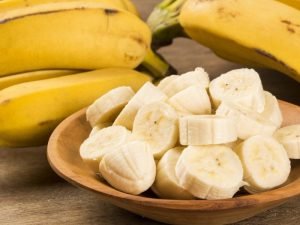
1.Bananas help overcome depression due to high levels of tryptophan, which is converted into serotonin ..
-
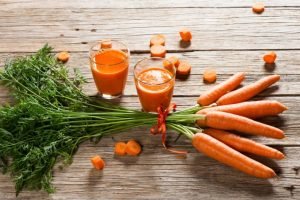
1. Beta carotene: Carrots are a rich source of this powerful antioxidant, which, among other vital uses, ..
-

Tinnitus in the ear can occur due to ear infections, various infections, perforation of the eardrum, ..
-
Comments Off on Pregnancy Calendar – Week 5 of Your Pregnancy

5-week pregnancy “Pregnancy calendar” at week 5: Your baby’s brain is developing. You may feel ..
-
Comments Off on Pregnancy Calendar – Week 4 of Your Pregnancy

4 weeks pregnancy “Pregnancy calendar” at 4th week: A miracle begins! Your baby, now consisting ..
-

What to Eat When You Have a Cold and Poor Appetite
A cold can make food feel unappealing, especially when a sore throat, blocked nose or cough turns eating into an uncomfortable task. Fever may also leave you without much energy for preparing meals. Eating little for a short period is usually less concerning than the symptoms themselves, provided you can drink and remain hydrated.
When your appetite is low, small, frequent meals are often easier to manage than three large ones. Choose familiar, comforting foods with some nutritional value, and keep fluids within easy reach. Bland does not have to mean flavourless: herbs, ginger, lemon and gentle spices can make food more appealing without making it harder to tolerate.
Most uncomplicated colds improve without a special diet or prescribed medicine. Seek advice from a local GP or pharmacist if symptoms are severe, persist for around 10 days or longer, or keep worsening. Urgent medical care is appropriate for trouble breathing, chest pain, confusion, signs of severe dehydration or inability to keep fluids down. Call 000 in an emergency.
How a Cold Can Reduce Your Appetite
Cold symptoms affect appetite in several ways. Congestion makes breathing through the mouth uncomfortable, while a sore throat can make swallowing feel like a chore. Reduced smell and taste may also remove much of the pleasure normally associated with food, even when the meal itself is nutritious.
Fever increases the body’s energy requirements and can cause tiredness, nausea or general weakness. A person who feels exhausted may prefer toast or a drink over cooking a balanced dinner. Sleep disruption from coughing adds to that fatigue and can leave little energy for shopping or preparing food.
Rather than waiting for a normal appetite to return, aim for one small, nourishing meal every few hours. A bowl of porridge, a banana with yoghurt or a small piece of toast with egg can provide more nourishment than going hours without food. The goal is to support energy, hydration and recovery without forcing large portions.
Gentle Foods That Are Easy to Tolerate
Soft, familiar foods are useful when chewing, smelling or swallowing feels unpleasant. Porridge, rice, mashed potato, pumpkin, soup, bananas, ripe avocado and plain yoghurt are generally gentle choices. Toast with a little butter or smooth peanut butter can also provide quick energy when appetite is especially low.
Include a source of protein with each small meal, even if the portion is modest. Eggs, fish, minced chicken, tofu, yoghurt, milk, beans or lentils may be easier to accept than a large serving of meat. Protein helps maintain muscle and supports the body’s recovery process, while carbohydrates such as rice, oats, potato and bread provide readily available energy.
Fresh fruit and vegetables do not need to be excluded. Cooked, mashed or stewed versions may taste better when your senses are dulled. Steamed carrots, pumpkin, courgette and peas can be added to soup or mashed potato. Keep individual portions small and revisit favourite foods rather than forcing unfamiliar “health” ingredients during an illness.
Fluids, Electrolytes and Soothing Drinks
A cold does not always cause dehydration, but fever, sweating and drinking less than usual can reduce your fluid intake. Dehydration may make headache, fatigue and dizziness worse. Water is the best everyday option, and pale-yellow urine is a useful sign that you are probably drinking enough. In hot Australian weather, regular fluids become even more important.
Warm drinks can soothe a raw throat and make swallowing more comfortable. Herbal tea, clear broth, warm water with lemon or a diluted fruit drink may be easier to tolerate than cold beverages. Avoid relying on energy drinks, as their caffeine and sugar can contribute to restlessness or an irregular heartbeat when you are already unwell.
Pharmacy electrolyte solutions can be useful after significant fluid loss from vomiting or diarrhoea, although an ordinary cold rarely requires them. Follow the packet directions because concentrated solutions are not intended to be consumed undiluted. Broth and prepared soups also supply fluid, but many stock cubes and instant soups contain considerable sodium, so portion size and the ingredient label matter.
Shopping for Cold-Day Food in Australia
Most Australian households can find suitable food at supermarkets such as Woolworths, Coles or Aldi, while neighbourhood shops provide convenient essentials when leaving home feels difficult. In Sydney, Melbourne and Brisbane, pharmacies are also common stopping points for tissues, saline sprays and advice about symptom relief. A chemist can help choose an appropriate medicine and explain how it should be taken.
The Australian market provides familiar fruit and vegetables throughout the year. Bananas, potatoes, onions, pumpkins and avocados are widely available, while citrus from Queensland and northern New South Wales is plentiful during the cooler months. Farmers’ markets and greengrocers can offer attractive seasonal produce, but convenience and affordability matter more than perfection when you are unwell.
Packaged soups, rice meals and noodle bowls may be useful when cooking is unrealistic. Compare the nutrition information panel rather than relying on the front of the package, and check sodium per 100 grams as well as per serving. Australian labelling legislation and Food Standards Australia New Zealand rules regulate ingredient lists, claims and serving information. A food cannot be labelled as a treatment for a cold or another disease, although specific nutritional claims may be permitted.
Nutrients and Simple Remedies for Recovery
No particular food cures a cold, but adequate nutrition supports normal immune function. Vitamin C is found in citrus, kiwi fruit, berries, capsicum and tomatoes, while folate, zinc and other nutrients come from a varied diet. If you eat little for several days, a fortified cereal, milk, eggs or a mixed vegetable soup can help close obvious gaps without requiring large portions.
Honey may soothe coughs associated with upper respiratory infections, but it should not be given to babies under one year of age. Ginger tea or warm water may settle nausea, while saline nasal sprays can help with congestion. Check with a pharmacist before combining remedies, and avoid concentrated herbal or vitamin products if you take prescription medicines, are pregnant or have an ongoing health condition.
Australia’s Therapeutic Goods Administration regulates medicines and many complementary medicines. “Immune support” on a package does not mean the product prevents or treats infections. Look for an Australian Register of Therapeutic Goods listing and understand whether the product is marked AUST L or AUST R. For broader background, this general wellness information can complement advice from a qualified health professional.
Foods and Habits to Limit
Very greasy, fried or rich foods can feel heavy when your appetite and digestion are already reduced. Foods that are intensely spicy may irritate a sore throat, while very large, high-fibre meals can cause bloating in some people. This does not mean every spicy or fibrous food must be avoided; choose what feels comfortable during the illness.
Alcohol is a poor choice while you have a cold because it can disrupt sleep, worsen dehydration and interact with some medicines. Limit excessive caffeine if it is keeping you awake, and avoid energy drinks. Highly concentrated sports drinks and fizzy soft drinks are not necessary for hydration and may add a large amount of sugar without meeting fluid needs well.
Avoid becoming overly restrictive during a short illness. Removing dairy, gluten or whole food groups without a clear reason can leave you with fewer choices and less energy. Nutritional powders can help when eating is extremely limited, but they should complement ordinary food rather than replace it. If you cannot maintain fluids or tolerate small portions, prompt advice from a GP is important.
Practical Meal and Snack Ideas
The best cold-day meals are simple enough that you can manage them while tired. Prepare ingredients in advance if possible, or choose combinations that require little chopping and cooking. A small amount of food eaten regularly is more useful than waiting until you feel hungry enough for a substantial meal.
Easy meal combinations
- Toast with scrambled egg and a banana provides carbohydrate, protein and potassium in a few bites.
- Porridge made with milk, topped with sliced banana or a spoonful of smooth peanut butter, is warm and filling.
- Homemade chicken, pumpkin and rice soup offers fluids, protein and vegetables without a heavy texture.
- Steamed fish with mashed potato and peas is mild, balanced and usually quicker to prepare than a full dinner.
Drink and snack pairings
- A glass of water with a plain yoghurt provides fluid, protein and calcium when eating a proper meal feels difficult.
- A banana with a few crackers is portable, inexpensive and easy to eat between rest periods.
- Warm water with lemon and a small spoonful of honey may soothe the throat for people over one year old.
- Rice cakes with smooth avocado and a pinch of salt offer a light meal without strong flavours.
On the worst days, keep the rule simple: choose one soft, familiar food, add a simple protein, and drink something nourishing between small meals. Once your appetite improves, gradually return to regular meals containing vegetables, whole grains, protein and fruit rather than relying on takeaway food for the remainder of the illness.
-

Tea Tree Essential Oil Tea tree oil is often referred to as “medicine cabinet in a bottle,” as it’s ..
-

13 surprising home remedies for acid reflux Before you reach for the heavy-duty, prescription-strength ..
-

Great Burdock The root is used to treat ‘toxic overload’ that result in throat infections and skin ..