
-

1. Apples Are Nutritious A medium apple is equal to 1.5 cups of fruit. Two cups of fruit daily are recommended ..
-
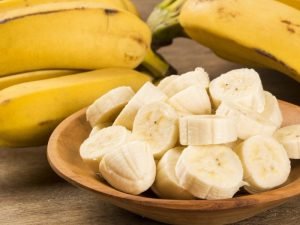
1.Bananas help overcome depression due to high levels of tryptophan, which is converted into serotonin ..
-
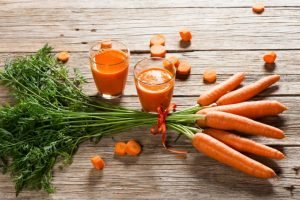
1. Beta carotene: Carrots are a rich source of this powerful antioxidant, which, among other vital uses, ..
-

Tinnitus in the ear can occur due to ear infections, various infections, perforation of the eardrum, ..
-
Comments Off on Pregnancy Calendar – Week 5 of Your Pregnancy

5-week pregnancy “Pregnancy calendar” at week 5: Your baby’s brain is developing. You may feel ..
-
Comments Off on Pregnancy Calendar – Week 4 of Your Pregnancy

4 weeks pregnancy “Pregnancy calendar” at 4th week: A miracle begins! Your baby, now consisting ..
-

What to eat when you have a cold for faster recovery
Coming down with a cold often arrives without warning, leaving you tired, sniffly, and wondering whether you should simply rest or actually eat your way back to health. The truth is that what you put on your plate during those first few days of symptoms can make a measurable difference in how quickly you bounce back. While no single food can cure a viral infection, certain ingredients help support your immune system, keep you hydrated, and give your body the raw materials it needs to repair itself.
Across Australia, colds tend to peak during the cooler months from June through August, when families gather indoors and windows stay shut. If you find yourself reaching for tissues during a Sydney winter or a chilly Melbourne morning, the right kitchen staples can be just as important as the paracetamol you pick up from the chemist. From a steaming bowl of chicken soup to a spoon of local eucalyptus-infused honey, the choices you make in your kitchen work alongside rest to help you feel human again.
Warm liquids and broths that comfort and heal
There's a reason your mum or nan always insisted on chicken soup when you were under the weather. Warm broths do more than feel soothing on a sore throat. The steam helps loosen congestion in your nasal passages, while the fluid itself replaces what you lose through a runny nose, sweating, or fever. Chicken broth also contains minerals like sodium and potassium, which act as electrolytes when your appetite is low and you haven't been eating much.
A classic Aussie twist is to use a good-quality chicken stock simmered with garlic, ginger, and a few sprigs of thyme. Many home cooks in Adelaide and Brisbane keep bones in the freezer specifically to make a big pot of stock when someone in the house starts sneezing. If you don't have time for a long simmer, a quality bought stock from the supermarket aisle works in a pinch, especially when boosted with aromatics.
Beyond chicken, vegetable broths packed with carrots, celery, onions, and leeks offer a lighter option that still delivers hydration and antioxidants. Sipping warm liquids throughout the day keeps your mucous membranes moist and helps your immune cells move freely through your bloodstream. Some comforting options to keep in rotation include:
- Classic chicken broth with garlic and parsley
- Vegetable stock with ginger and turmeric
- Warm water with fresh lemon and a teaspoon of honey
- Caffeine-free herbal teas such as chamomile or peppermint
If you want to explore more comforting recipes and home remedies, the resource library at Healthy Life Live collects practical ideas suited to cold and flu season.
Vitamin C-rich fruits and vegetables
Vitamin C has long been associated with cold recovery, and while the science around megadoses is mixed, getting a steady supply from food certainly helps your immune cells do their job. Citrus fruits like oranges, mandarins, and grapefruits are obvious choices, especially during the Australian winter when navel oranges from the Riverina are in season and mandarins from Mildura arrive in shops by the boxful.
Australia also offers some exceptional native sources of vitamin C worth knowing about. Kakadu plums, sometimes stocked at farmers' markets in Sydney or specialty grocers, contain more vitamin C per gram than almost any other fruit on the planet. Finger limes, with their tangy pearls, add a citrusy burst to salads or grilled fish, while lemon myrtle leaves can be steeped into tea for a gentle immune boost. For everyday shopping, kiwifruit, strawberries, red capsicum, and broccoli are all reliable sources that don't require a trip to a specialty supplier.
Including a vitamin C-rich food at every meal is a simple way to support your recovery. Try sliced strawberries on your morning porridge, a kiwifruit as a mid-morning snack, or a squeeze of lemon over your chicken and rice at dinner. These small habits keep your intake consistent without relying on supplements.
Foods that fight inflammation and support immunity
Beyond vitamin C, a handful of other nutrients deserve a place in your cold-fighting pantry. Zinc, found in foods like pumpkin seeds, lean beef, chickpeas, and cashews, plays a role in the development of immune cells and may help shorten the duration of cold symptoms when caught early. A small handful of seeds sprinkled over porridge or a chickpea salad at lunch is an easy way to keep your intake up, even when your appetite is barely there.
Garlic and ginger deserve a special mention because both have been studied for their antimicrobial and anti-inflammatory properties. Freshly crushed garlic added to a stir-fry or grated ginger stirred into hot water with honey can be surprisingly effective at easing congestion and soothing a raw throat. Many Australians keep a knob of ginger in the crisper drawer year-round, and it's one of the cheapest home remedies you can rely on.
Mushrooms, particularly shiitake and maitake varieties that are now widely available at major supermarkets, contain beta-glucans that help regulate immune function. A simple miso soup with mushrooms and tofu is light enough for a queasy stomach yet rich enough to deliver real nutritional value. Turmeric, often used in golden milk lattes in Australian cafés, also brings anti-inflammatory benefits when paired with a pinch of black pepper to boost absorption.
Foods to limit while you recover
While it helps to know what to add to your diet, it's just as important to know what to skip. Sugary drinks, lollies, and heavily processed snacks can briefly raise blood sugar and then leave you feeling more drained than before. If you are craving something sweet, a small piece of dark chocolate or a drizzle of honey in warm water is a kinder option that won't send your energy levels on a rollercoaster.
Dairy is another category that gets debated. For some people, milk and soft cheeses can thicken mucus, making congestion feel worse, while others notice no difference at all. If you're unsure, switch to plant-based alternatives like oat or almond milk for a few days and see whether your symptoms shift. Likewise, deep-fried takeaway, while tempting on a sick day, places extra stress on your digestion and offers very little in the way of useful nutrients.
Alcohol and excessive caffeine are best avoided while your body is fighting off a virus. Both can dehydrate you, and alcohol in particular interferes with sleep quality, which is when most of your immune repair happens. If you usually enjoy a flat white from your local café in the morning, consider swapping it for a gentle herbal tea until you're back on your feet.
Smart eating strategies for a speedy bounce-back
Eating well with a cold is rarely about sitting down to a full three-course meal. In fact, small, frequent snacks often work better when your appetite is poor and your energy is low. Think of a banana with a smear of peanut butter, a few whole-grain crackers with hummus, or a small bowl of yoghurt with berries. These mini-meals are easy to prepare, gentle on the stomach, and keep your blood sugar steady.
Preparing food in advance can be a lifesaver if you live alone or you're usually the one doing the cooking. During winter, many Australian households batch-cook soups, stews, and curries on a Sunday afternoon and freeze individual portions. Having a ready-made container of vegetable soup or a lentil dhal waiting in the freezer means you can heat something nourishing without lifting a finger when symptoms hit hardest.
Don't underestimate the role of hydration either. Water, herbal teas, broths, and even icy poles count towards your fluid intake. Staying well hydrated thins mucus, eases a sore throat, and helps your kidneys flush out waste products from the immune response. Keep a bottle or thermos within reach throughout the day, and if plain water feels boring, add slices of cucumber, lemon, or a few mint leaves for a bit of interest. Try rotating these easy meal and snack ideas through the week:
- Banana and peanut butter on wholemeal toast
- Greek yoghurt with honey and stewed apples
- Brown rice with grilled chicken and steamed greens
- Soaked oats with sliced kiwifruit and a sprinkle of cinnamon
- Pumpkin soup with a slice of grainy bread
When a cold drags on for more than a week or brings on a high fever, it's worth checking in with a GP or visiting a local clinic. Food can support your recovery, but it isn't a substitute for professional medical advice when symptoms escalate. Getting plenty of sleep, washing your hands regularly, and staying home until you're no longer contagious all help protect the people around you as much as they help you heal.
-

Tea Tree Essential Oil Tea tree oil is often referred to as “medicine cabinet in a bottle,” as it’s ..
-

13 surprising home remedies for acid reflux Before you reach for the heavy-duty, prescription-strength ..
-
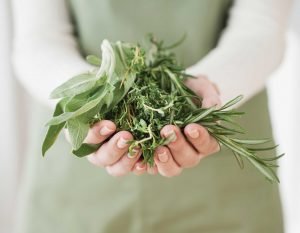
Great Burdock The root is used to treat ‘toxic overload’ that result in throat infections and skin ..