
-

1. Apples Are Nutritious A medium apple is equal to 1.5 cups of fruit. Two cups of fruit daily are recommended ..
-

1.Bananas help overcome depression due to high levels of tryptophan, which is converted into serotonin ..
-

1. Beta carotene: Carrots are a rich source of this powerful antioxidant, which, among other vital uses, ..
-

Tinnitus in the ear can occur due to ear infections, various infections, perforation of the eardrum, ..
-
Comments Off on Pregnancy Calendar – Week 5 of Your Pregnancy

5-week pregnancy “Pregnancy calendar” at week 5: Your baby’s brain is developing. You may feel ..
-
Comments Off on Pregnancy Calendar – Week 4 of Your Pregnancy

4 weeks pregnancy “Pregnancy calendar” at 4th week: A miracle begins! Your baby, now consisting ..
-

Why Leafy Greens Support a Stronger Immune System
Leafy green vegetables are among the most nutrient-dense foods available. Kale, spinach, collard greens, Swiss chard, arugula, romaine lettuce, mustard greens, and bok choy provide vitamins, minerals, plant compounds, and fiber that help the body maintain its natural defenses. Eating them regularly can support immune function as part of a balanced diet.
The immune system depends on healthy skin and mucous membranes, active white blood cells, adequate energy, and a well-functioning digestive tract. Leafy greens contribute to several of these needs at once. They do not prevent every infection or replace medical treatment, but they can help create the nutritional conditions the body needs to respond effectively.
The benefits are greatest when greens are included in a varied eating pattern rather than consumed as a single “superfood.” Combining different colors and types supplies a wider range of antioxidants and micronutrients. Fresh, frozen, lightly cooked, and raw greens can all fit into a health-supporting diet.
Vitamins That Help Defend The Body
Many leafy greens contain vitamin C, a nutrient involved in the function of immune cells and the maintenance of collagen. Collagen helps support skin, blood vessels, and other tissues that form part of the body’s physical barriers. Vitamin C also acts as an antioxidant, helping protect cells from oxidative stress produced during normal metabolism and immune activity.
Kale, broccoli leaves, mustard greens, and arugula tend to provide useful amounts of vitamin C, although levels vary with freshness, storage, and cooking. Heat and prolonged storage can reduce vitamin C, so including some raw greens alongside cooked vegetables can increase dietary variety. A salad with spinach, peppers, citrus segments, and cabbage is one practical combination.
Dark green vegetables are also rich in carotenoids, including beta-carotene and lutein. The body can convert beta-carotene into vitamin A, which supports the health of the skin and the lining of the respiratory and digestive tracts. These surfaces help keep harmful organisms from entering the body and are an important part of first-line immune protection.
Fiber And The Gut-Immune Connection
A large portion of immune activity is closely linked with the digestive system. Leafy vegetables supply dietary fiber, which passes through the upper digestive tract and becomes fuel for beneficial gut microbes. As these microbes ferment certain fibers, they produce short-chain fatty acids that can help maintain the intestinal barrier and influence immune signaling.
A healthier gut environment may support a more balanced immune response. This matters because effective immunity requires both defense against pathogens and control over unnecessary inflammation. Greens work especially well when paired with other plant foods, such as beans, oats, berries, onions, garlic, nuts, and seeds, because each contributes different types of fiber and protective compounds.
Increasing fiber intake too quickly can cause bloating or changes in bowel habits. Add greens gradually, drink enough fluids, and vary preparation methods. Lightly cooked spinach or chard may be easier to tolerate than a large raw salad for some people, while others may prefer finely chopped greens mixed into soups, grains, or sauces.
Antioxidants And Essential Minerals
Leafy greens contain numerous phytochemicals, which are naturally occurring plant compounds that help protect cells. Flavonoids, carotenoids, and other antioxidants help the body manage oxidative stress. Oxidative stress is a normal biological process, but excessive levels can place pressure on cells and tissues, including those involved in immune defense.
Folate is another important nutrient found in spinach, romaine lettuce, asparagus, and other green vegetables. It supports DNA production and cell division, processes that are especially relevant to the formation of new immune cells. Greens also contribute magnesium, which is involved in energy metabolism and many enzyme reactions throughout the body.
Iron is present in vegetables such as spinach, though plant-based non-heme iron is absorbed less efficiently than iron from animal foods. Pairing greens with vitamin C-rich ingredients, such as tomatoes, lemon juice, strawberries, or bell peppers, can improve non-heme iron absorption. People with diagnosed anemia should rely on professional guidance rather than trying to correct a deficiency with vegetables alone.
Leafy green Notable nutrients and compounds Simple way to use it Kale Vitamins C and K, carotenoids, fiber Massage into salads or add to soups Spinach Folate, carotenoids, magnesium, iron Stir into eggs, curries, or smoothies Collard greens Vitamins C and K, fiber, calcium Steam and serve with beans Swiss chard Magnesium, potassium, vitamins A and K Sauté with garlic and olive oil Arugula Vitamin K, vitamin C, peppery plant compounds Add to sandwiches or grain bowls Romaine lettuce Folate, vitamin A precursors, water Use as a salad base or wrap Bok choy Vitamins C and K, folate, calcium Steam or add to stir-fries How Preparation Affects Nutritional Value
Raw greens preserve heat-sensitive nutrients and offer freshness, crunch, and convenience. They can be added to salads, wraps, sandwiches, or blended drinks. However, raw vegetables are not automatically more nutritious in every respect. Gentle cooking can soften plant cell walls and make some carotenoids easier for the body to absorb.
A short steaming, sautéing, or simmering period is often a good compromise. Avoid overcooking greens until they become dull and waterlogged, because prolonged heat and excess water can reduce certain vitamins. Using the cooking liquid in a soup or stew helps retain nutrients that move into the water.
A small amount of healthy fat can also improve absorption of fat-soluble compounds, including carotenoids and vitamin K. Try olive oil with cooked greens, avocado in a salad, or tahini blended into a dressing. Washing produce thoroughly under running water is important, and ready-to-eat packaged greens should be handled according to their label instructions.
Smoothies can make greens convenient, but they should not replace every whole-food meal. Blending does not remove all fiber, yet drinking calories quickly may be less filling than chewing vegetables. A balanced smoothie can include greens, fruit, plain yogurt or a fortified alternative, and a source of protein such as seeds or nut butter.
Building A Varied Immune-Supporting Plate
Eating more leafy greens is most useful when they displace less nutritious choices and become part of a complete meal. A bowl containing greens, lentils, roasted vegetables, quinoa, and a lemon-based dressing provides fiber, protein, vitamin C, and a range of plant compounds. This combination is more supportive than relying on a plain salad that leaves you hungry soon afterward.
Protein deserves attention because antibodies, enzymes, and immune cells depend on amino acids. Include beans, lentils, eggs, fish, poultry, tofu, yogurt, or another suitable protein source with meals. Whole grains and starchy vegetables supply energy, while nuts and seeds add minerals and beneficial fats.
Hydration, regular sleep, physical activity, and recommended vaccinations remain important parts of immune health. Leafy vegetables can complement these habits, but they cannot compensate for chronic sleep deprivation, smoking, a severely restricted diet, or an untreated medical condition. A strong nutrition pattern is built through consistency rather than dramatic short-term changes.
Some people need individualized advice. Those taking warfarin or similar anticoagulants should keep vitamin K intake consistent and discuss major dietary changes with a clinician. People with kidney disease, digestive disorders, food allergies, or a history of kidney stones may also need specific guidance about portions and preparation.
Practical Ways To Eat More Greens
The easiest approach is to attach greens to meals you already eat. Add a handful of spinach to a morning omelet, layer romaine into a sandwich, mix chopped kale into pasta sauce, or stir bok choy into a quick noodle dish. Keeping washed greens visible in the refrigerator makes them more likely to be used before they spoil.
Frozen greens are a useful option when fresh produce is expensive or unavailable. They are often harvested and frozen quickly, and they work well in soups, stews, sauces, and smoothies. Canned greens can also be convenient; choose lower-sodium options when possible and rinse them before use.
If the flavor of dark greens feels strong, begin with mild varieties such as romaine, baby spinach, or butter lettuce. Combine them with familiar ingredients and gradually increase the proportion. Garlic, lemon, herbs, beans, roasted vegetables, yogurt, and nut-based dressings can make greens more appealing without relying on excessive salt or processed sauces.
For nutrition guidance and general wellness information, readers can email Healthy Life Live when they need to locate the site’s contact channel. Health information should be adapted to personal circumstances, especially during pregnancy, childhood, or treatment for a chronic condition.
Simple Habits For Consistent Intake
A few repeatable habits can make leafy vegetables a normal part of the week instead of an occasional health project. Plan several types, use both raw and cooked preparations, and keep ingredients ready for quick meals. Variety also reduces the chance that a person will abandon the habit because of taste fatigue.
Consider these practical strategies:
- Add one handful of greens to at least one meal each day.
- Rotate spinach, kale, collards, romaine, arugula, chard, and bok choy.
- Pair greens with beans, eggs, fish, tofu, poultry, or another protein.
- Add lemon, tomatoes, or bell peppers to plant-based meals containing iron-rich greens.
- Use gentle cooking and include a little healthy fat to support carotenoid absorption.
A gradual increase is easier to maintain than an abrupt diet overhaul. Start with a serving that feels realistic, then build toward a broader range of vegetables over time. Adults commonly benefit from several cups of vegetables daily, but exact needs vary according to age, sex, activity level, health status, and overall calorie intake.
Leafy greens support immune health through several connected pathways: they provide vitamins for barrier tissues, fiber for the gut microbiome, antioxidants for cellular protection, and minerals needed for normal metabolism. Their effect is cumulative and works best alongside adequate protein, sleep, hydration, movement, and preventive healthcare.
Place a serving of greens into the next meal, choose a second variety during the week, and keep building from there. Consistent, enjoyable choices can turn this nutrient-rich food group into a lasting part of everyday immune-supporting nutrition.
-

Tea Tree Essential Oil Tea tree oil is often referred to as “medicine cabinet in a bottle,” as it’s ..
-

13 surprising home remedies for acid reflux Before you reach for the heavy-duty, prescription-strength ..
-
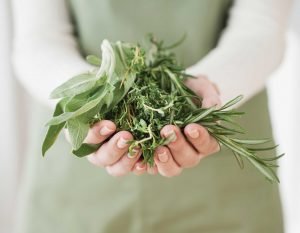
Great Burdock The root is used to treat ‘toxic overload’ that result in throat infections and skin ..