
-

1. Apples Are Nutritious A medium apple is equal to 1.5 cups of fruit. Two cups of fruit daily are recommended ..
-
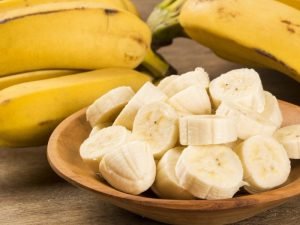
1.Bananas help overcome depression due to high levels of tryptophan, which is converted into serotonin ..
-

1. Beta carotene: Carrots are a rich source of this powerful antioxidant, which, among other vital uses, ..
-

Tinnitus in the ear can occur due to ear infections, various infections, perforation of the eardrum, ..
-
Comments Off on Pregnancy Calendar – Week 5 of Your Pregnancy

5-week pregnancy “Pregnancy calendar” at week 5: Your baby’s brain is developing. You may feel ..
-
Comments Off on Pregnancy Calendar – Week 4 of Your Pregnancy

4 weeks pregnancy “Pregnancy calendar” at 4th week: A miracle begins! Your baby, now consisting ..
-

Why Protein at Every Meal Can Help Stabilize Blood Sugar
Blood sugar naturally rises after eating as carbohydrates are broken down into glucose. This glucose provides energy, but sharp increases followed by sudden drops can contribute to fatigue, cravings, irritability, and difficulty managing appetite. The composition of a meal influences how quickly those changes occur.
Protein is one of the nutrients that can make a meal more satisfying and moderate the speed of digestion. Including a source of protein with breakfast, lunch, dinner, and suitable snacks may support steadier energy and better blood glucose control throughout the day.
This approach is useful for many healthy adults, although it does not replace medical care for diabetes, prediabetes, or other metabolic conditions. Meal choices should also reflect individual needs, allergies, cultural preferences, activity levels, and advice from a qualified healthcare professional.
How Protein Affects Blood Glucose
Protein contains amino acids rather than large amounts of glucose-producing carbohydrate. When eaten with carbohydrates, it can help slow the overall movement of food from the stomach into the small intestine. This may reduce the speed at which glucose enters the bloodstream, particularly when protein is paired with high-fiber carbohydrates.
Protein can also influence appetite-regulating hormones. A meal with adequate protein often feels more filling than a meal made mostly of refined carbohydrates, such as sweet cereal, white toast, or a pastry. Greater fullness may reduce the urge to snack soon afterward and make portions easier to manage.
The effect is not identical for everyone. The amount and type of carbohydrate, fiber content, cooking method, portion size, physical activity, sleep, stress, and medication all affect post-meal blood sugar. Protein helps form a balanced eating pattern, but it is not a way to cancel out large quantities of added sugar or refined starch.
Why Balanced Meals Support Steadier Energy
Eating protein with every meal can reduce the pattern of rapid hunger that sometimes follows a carbohydrate-heavy meal. For example, fruit alone may be nutritious, but adding plain yogurt, cottage cheese, nuts, seeds, or an egg can provide a more sustained combination of carbohydrate, protein, and fat. This balance may help prevent energy dips between meals.
Protein is also important for maintaining muscle tissue. Muscle uses glucose for energy, and preserving muscle mass supports healthy insulin sensitivity, especially when combined with regular movement. Strength training, walking after meals, and other forms of physical activity can complement a protein-rich, high-fiber diet.
A balanced plate generally includes a protein source, non-starchy vegetables, a fiber-rich carbohydrate, and a modest amount of healthy fat. This combination tends to digest more gradually than meals based mainly on sugary drinks, white flour products, or highly processed snack foods.
Adequate hydration matters as well. Water supports normal circulation and digestion, while sweetened beverages can add a substantial amount of rapidly absorbed sugar without creating much fullness. Replacing sugary drinks with water or unsweetened beverages is often a practical step toward improved blood glucose management.
Protein Choices for Different Eating Patterns
Animal-based foods such as eggs, fish, chicken, turkey, lean meat, and plain dairy products are concentrated protein sources. Fatty fish, including salmon, sardines, and trout, also supplies omega-3 fats. Choosing grilled, baked, steamed, or roasted options can limit the saturated fat and excess calories often found in fried or heavily processed foods.
Plant proteins can support blood sugar-friendly meals too. Lentils, beans, chickpeas, tofu, tempeh, edamame, nuts, seeds, and unsweetened soy products provide protein along with varying amounts of fiber, minerals, and beneficial plant compounds. Legumes are especially useful because their carbohydrate is packaged with fiber and protein, which may promote a slower glucose response.
Some foods marketed as high-protein contain significant added sugar. Flavored yogurt, protein bars, breakfast drinks, and ready-made shakes can differ greatly in their nutritional profiles. Reading the nutrition facts panel and ingredient list helps identify products with less added sugar and a useful amount of fiber.
Portion needs vary. A person who is physically active, older, pregnant, recovering from illness, or trying to preserve muscle may have different protein requirements from someone else. People with kidney disease or certain medical conditions should follow individualized guidance before substantially increasing protein intake.
Comparing Everyday Protein Pairings
The following examples show how a carbohydrate-containing food can be combined with protein and fiber to create a more balanced meal or snack. The portions are general illustrations rather than a universal meal plan.
Meal or snack base Protein addition Fiber-rich companion Why the pairing works Oatmeal Plain Greek yogurt, milk, or chia seeds Berries or chopped apple Protein and fiber make a sweet breakfast more filling Whole-grain toast Egg, cottage cheese, or mashed beans Tomato, spinach, or avocado Combines slower-digesting carbohydrate with protein and produce Brown rice Tofu, chicken, fish, or lentils Broccoli, peppers, or leafy greens Builds a balanced lunch or dinner with vegetables Fruit Nuts, seeds, or unsweetened yogurt The fruit itself supplies fiber May reduce rapid hunger compared with fruit alone Whole-grain crackers Hummus, tuna, or cheese Cucumber, carrots, or celery Adds protein and volume to a convenient snack Potato or sweet potato Beans, eggs, Greek yogurt, or fish Side salad or steamed vegetables Makes a starchy food part of a complete meal These combinations do not guarantee a particular blood sugar reading. Individual responses can differ, and people monitoring glucose may learn useful information by checking levels as advised by their healthcare team. The goal is to create a repeatable pattern that provides nourishment, satisfaction, and manageable portions.
Starting the Day With Protein
Breakfast is often a missed opportunity to include protein. A meal made from sweetened cereal, fruit juice, or refined toast may provide carbohydrate quickly but leave a person hungry within a few hours. Adding protein can make morning energy and appetite feel more consistent.
Options include scrambled eggs with vegetables, plain yogurt with berries and walnuts, oatmeal mixed with milk and seeds, or whole-grain toast with natural peanut butter. People following a plant-based diet might choose tofu scramble, unsweetened soy yogurt, or a bean-and-vegetable breakfast bowl.
Protein does not need to come from a large serving of meat. A small amount of cheese, an egg, a cup of unsweetened dairy or soy yogurt, or a spoonful of nut butter can complement a meal. Combining these foods with fiber-rich produce and minimally processed grains helps create a more complete breakfast.
Coffee drinks can complicate the morning meal when they contain flavored syrups, whipped cream, or sweetened creamers. Unsweetened coffee or tea, or a beverage with modest added sugar, is generally easier to fit into a blood sugar-conscious eating pattern.
Making Lunch, Dinner, and Snacks More Consistent
Planning a protein source before choosing the rest of a meal can simplify healthy eating. Start with beans, fish, eggs, tofu, chicken, yogurt, or another suitable option. Then add vegetables and choose a carbohydrate such as quinoa, oats, brown rice, whole-grain bread, corn, or potatoes according to hunger and activity.
For dinner, protein can be distributed across the plate rather than treated as the only main component. A lentil stew with vegetables, a salmon bowl with greens and quinoa, or a tofu stir-fry with mixed vegetables can provide variety without relying on heavily processed foods. Herbs, spices, garlic, ginger, lemon, and vinegar can add flavor without requiring large amounts of sugar.
Snacks are most useful when they address genuine hunger rather than becoming automatic eating. A small portion of almonds, roasted chickpeas, an egg, plain yogurt, vegetables with hummus, or apple slices with peanut butter can provide a combination of protein, fiber, and texture. Portion awareness remains important because calorie-dense foods such as nuts and cheese are nutritious but easy to overeat.
Meal timing should remain flexible. Some people prefer three meals, while others benefit from smaller meals and planned snacks. Consistency may help those using insulin or certain glucose-lowering medicines, but timing should be coordinated with medical advice when medication can cause low blood sugar.
Practical Habits for Better Blood Sugar Balance
Small changes are often easier to maintain than a complete diet overhaul. Adding protein to a familiar meal may be more realistic than eliminating every preferred food. A person might keep their usual oatmeal but add yogurt and seeds, or continue eating rice while increasing vegetables and including beans or fish.
Helpful habits include:
- Choose a protein source before assembling each main meal.
- Pair fruit, bread, crackers, or other carbohydrate foods with protein or healthy fat.
- Prefer beans, lentils, fish, eggs, tofu, nuts, seeds, and minimally processed meats more often.
- Check labels on protein bars, shakes, and flavored dairy products for added sugar and fiber.
- Include vegetables and other high-fiber foods to support fullness and a slower digestive response.
Food quality still matters more than chasing a high number of grams. Bacon, sausages, fried chicken, and highly processed protein snacks may contain protein, but frequent intake can add excess sodium, saturated fat, or refined ingredients. A varied diet supplies more vitamins, minerals, and protective plant compounds.
Anyone with diabetes should use their prescribed monitoring plan and discuss changes in eating patterns with a clinician or registered dietitian. Symptoms such as shakiness, sweating, confusion, unusual thirst, frequent urination, or unexplained weight changes deserve professional attention rather than self-treatment through diet alone.
A simple next step is to review tomorrow’s meals and identify where protein is missing. Add a practical source, keep carbohydrates mostly high in fiber, and observe how hunger and energy respond over time. Consistent, balanced meals can become a sustainable part of supporting healthy blood sugar and overall wellness.
-

Tea Tree Essential Oil Tea tree oil is often referred to as “medicine cabinet in a bottle,” as it’s ..
-

13 surprising home remedies for acid reflux Before you reach for the heavy-duty, prescription-strength ..
-

Great Burdock The root is used to treat ‘toxic overload’ that result in throat infections and skin ..