
-

1. Apples Are Nutritious A medium apple is equal to 1.5 cups of fruit. Two cups of fruit daily are recommended ..
-

1.Bananas help overcome depression due to high levels of tryptophan, which is converted into serotonin ..
-
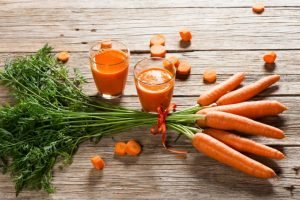
1. Beta carotene: Carrots are a rich source of this powerful antioxidant, which, among other vital uses, ..
-

Tinnitus in the ear can occur due to ear infections, various infections, perforation of the eardrum, ..
-
Comments Off on Pregnancy Calendar – Week 5 of Your Pregnancy

5-week pregnancy “Pregnancy calendar” at week 5: Your baby’s brain is developing. You may feel ..
-
Comments Off on Pregnancy Calendar – Week 4 of Your Pregnancy

4 weeks pregnancy “Pregnancy calendar” at 4th week: A miracle begins! Your baby, now consisting ..
-

Why seasonal produce can improve your nutrient intake
Eating fruit and vegetables when they are naturally abundant can make healthy meals fresher, more varied and easier to afford. Seasonal produce is often harvested closer to the time it reaches the shop, which may help preserve delicate nutrients and appealing flavour. It can also encourage you to try foods that are less familiar, increasing the range of vitamins, minerals and plant compounds in your diet.
Australia has distinct growing seasons, although timing differs between regions. Mangoes may appear in abundance during the warmer months in Queensland and the Northern Territory, while Tasmanian apples, Victorian berries and winter citrus arrive at different points across the year. Understanding these patterns can help you choose a broader mix of foods at the supermarket, greengrocer or local farmers market.
Seasonal eating is not a strict rule, and imported, frozen, canned and preserved produce can still contribute valuable nutrition. The most useful approach is to make vegetables, fruit, legumes and wholegrains regular parts of meals, then use seasonal availability to add variety, flavour and value.
What seasonal eating means in Australia
Seasonal produce is food grown and harvested during the period when local conditions are most suitable. Temperature, rainfall, daylight and soil conditions all affect when a crop is ready. In Australia, the season for one food can vary between Adelaide, Brisbane, Perth, Melbourne, Sydney and regional areas, so a general seasonal calendar is only a guide.
For example, asparagus is commonly associated with spring, stone fruit with summer, leafy greens with cooler weather and citrus with autumn and winter. Queensland and Northern Territory produce may reach markets earlier than crops grown in Tasmania or Victoria. Supermarkets may stock most foods throughout the year because of interstate production, imports and controlled storage, but locally abundant food is often easiest to find at farm stalls and weekend markets.
Choosing food in season does not mean eating only local produce or avoiding foods that are available year-round. It means paying attention to what is plentiful, fresh and reasonably priced in your area. This flexible approach can improve dietary variety without making grocery shopping complicated.
Freshness can help preserve nutrients
Some nutrients are sensitive to time, heat, light and oxygen. Vitamin C, folate and certain plant compounds can gradually decline after harvesting, particularly when produce is stored for long periods or exposed to high temperatures. Food that travels a shorter distance or is sold soon after harvest may spend less time in storage before it is eaten.
Freshness also affects texture and taste. Crisp beans, fragrant herbs, ripe tomatoes and sweet berries are more likely to be used generously when they are enjoyable to eat. This matters because nutrition is influenced by eating habits, not just by the nutrient content listed on a label. Produce that tastes good can make it easier to build meals around vegetables and fruit.
The difference is not absolute. Fresh food that has been stored well can remain nutritious, while frozen vegetables are often processed soon after harvest and may retain many nutrients. Canned tomatoes, legumes and fruit can also be practical choices. Preparation and storage still matter: steaming briefly, using minimal water and refrigerating cut produce can help reduce nutrient losses.
Variety brings a broader nutrient mix
Each fruit and vegetable group offers a different combination of nutrients. Dark green vegetables provide folate, vitamin K and other compounds; orange and yellow produce is often rich in carotenoids; berries contain fibre and colourful polyphenols; legumes contribute plant protein, iron and slow-digesting carbohydrate. Eating seasonally can naturally rotate these groups across the year.
A summer plate might include tomatoes, capsicum, zucchini, corn and peaches, while a winter meal could feature pumpkin, broccoli, cabbage, carrots, oranges and silverbeet. This rotation helps prevent meals from becoming repetitive and increases exposure to different types of dietary fibre and phytonutrients.
Seasonal foods worth adding to the shopping basket
- Leafy greens such as spinach, kale, silverbeet and Asian greens
- Orange produce including pumpkin, carrots, sweet potatoes and mandarins
- Berries, apples, pears and stone fruit when locally abundant
- Cruciferous vegetables such as broccoli, cauliflower, cabbage and Brussels sprouts
- Legumes, including lentils, chickpeas, kidney beans and green peas
Colour is a useful visual guide, but it is not a complete measure of quality. White foods such as cauliflower, onions, garlic and mushrooms also contain beneficial compounds. A balanced pattern includes many colours and types rather than focusing on one supposedly superior fruit or vegetable.
Seasonal shopping can support a balanced diet
Price often changes with supply. When a crop is plentiful, growers and retailers may offer it at a lower cost. More affordable vegetables and fruit can make it easier for households to meet the Australian Dietary Guidelines, which recommend plenty of vegetables and two serves of fruit each day for many adults.
Budget-friendly choices can be especially useful in major cities, where grocery costs vary between suburbs and fresh produce markets may provide different deals from large supermarkets. A Saturday market in Melbourne, a neighbourhood greengrocer in Sydney or a roadside stall outside a regional town may feature foods that are abundant nearby. Comparing quality and price is still important, since market produce is not automatically cheaper.
Saving money can also support consistency. Buying a large amount of a food that will spoil before it is used is wasteful, even if the initial price is low. Select quantities that match the household’s meals, and preserve extras by freezing, cooking, drying or making soups and sauces.
Seasonal meals can make healthy choices easier
When produce is at its best, it often needs little preparation. Ripe tomatoes can be added to toast or salads, steamed greens can accompany eggs or fish, and roasted pumpkin can become part of a grain bowl. Simple meals reduce reliance on highly processed convenience foods without requiring elaborate recipes.
A useful method is to choose one seasonal vegetable, one source of protein and one wholegrain or starchy food. For instance, combine spring asparagus with lentils and brown rice, or pair winter cauliflower with chickpeas and wholemeal couscous. Add herbs, spices, lemon juice or yoghurt for flavour rather than depending heavily on salt or rich sauces.
Simple ways to use a seasonal haul
- Roast sturdy vegetables and use them in wraps, salads or omelettes
- Freeze excess berries, chopped spinach, peas or sliced mango
- Add grated carrots, zucchini or beetroot to fritters, sauces and muffins
- Combine leftover cooked vegetables with eggs, beans or wholegrain noodles
- Keep washed, ready-to-use produce visible in the fridge
Planning two or three meals before shopping can prevent impulse purchases and reduce waste. It also allows a seasonal ingredient to appear in different forms, such as raw in a salad, cooked in a main meal and blended into a soup or smoothie.
Local food choices have practical benefits
Buying seasonal produce from Australian growers can reduce the distance and storage time involved in some food journeys, although the environmental impact varies by crop, farming method, packaging and transport. Food that is grown nearby is not automatically the most sustainable option, but choosing loose, minimally packaged produce and using what you buy can help limit waste.
Seasonal shopping can also connect people with local food customs. Australians may look forward to summer cherries, backyard citrus, mangoes at Christmas gatherings or a bowl of ripe stone fruit during school holidays. These familiar patterns can make healthier food part of family routines rather than a separate health project.
Local availability is shaped by climate and water conditions, so a preferred crop may be expensive or scarce in some years. Bushfires, floods, drought and transport disruption can affect supply across states. Staying flexible and swapping one vegetable for another with a similar cooking role is usually more practical than trying to follow a rigid calendar.
Making seasonal eating work year-round
A varied diet can include fresh, frozen, canned and dried ingredients. Frozen peas, corn and spinach are useful when fresh versions are out of season or expensive. Canned tomatoes and legumes can form the base of quick meals, while dried fruit can provide flavour and energy in small portions. Choose canned foods with little or no added salt or sugar where possible, and rinse canned legumes if you want to reduce their sodium content.
People with allergies, digestive conditions, specific nutritional needs or a history of disordered eating may need individual advice from an accredited practising dietitian or healthcare professional. Seasonal eating should support adequate nourishment, not create anxiety about foods that are unavailable. Pregnant people, children, older adults and those taking medicines that interact with certain foods may also benefit from personalised guidance.
Habits that protect nutrient intake
- Aim for variety across the week rather than relying on one “superfood”
- Include vegetables at lunch and dinner, and fruit with breakfast or snacks
- Use frozen and canned produce when they are more convenient or affordable
- Store delicate foods correctly and eat highly perishable items first
- Wash fresh produce under running water before eating or preparing it
The strongest benefit of eating seasonally is the pattern it can encourage: more variety, regular meals, greater use of whole foods and fewer missed opportunities to include plants. Fresh local produce can be a delicious part of that pattern, while practical alternatives ensure nutritious eating remains possible in every Australian season.
-

Tea Tree Essential Oil Tea tree oil is often referred to as “medicine cabinet in a bottle,” as it’s ..
-

13 surprising home remedies for acid reflux Before you reach for the heavy-duty, prescription-strength ..
-
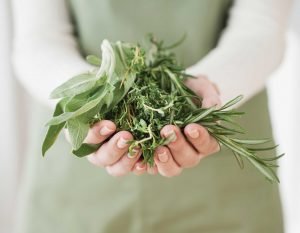
Great Burdock The root is used to treat ‘toxic overload’ that result in throat infections and skin ..