
-
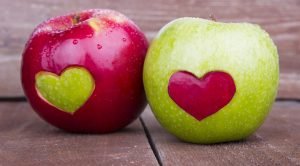
1. Apples Are Nutritious A medium apple is equal to 1.5 cups of fruit. Two cups of fruit daily are recommended ..
-
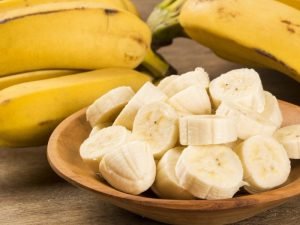
1.Bananas help overcome depression due to high levels of tryptophan, which is converted into serotonin ..
-
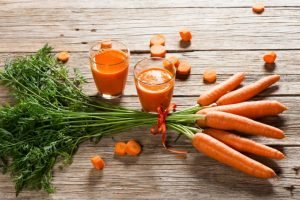
1. Beta carotene: Carrots are a rich source of this powerful antioxidant, which, among other vital uses, ..
-

Tinnitus in the ear can occur due to ear infections, various infections, perforation of the eardrum, ..
-
Comments Off on Pregnancy Calendar – Week 5 of Your Pregnancy

5-week pregnancy “Pregnancy calendar” at week 5: Your baby’s brain is developing. You may feel ..
-
Comments Off on Pregnancy Calendar – Week 4 of Your Pregnancy

4 weeks pregnancy “Pregnancy calendar” at 4th week: A miracle begins! Your baby, now consisting ..
-
How Kimchi Supports A Healthier Gut
Fermented foods have moved from traditional kitchens into everyday conversations about digestive health. Kimchi, sauerkraut, kefir, yogurt, miso, tempeh, and some fermented drinks are valued for their distinctive flavors, but their appeal goes beyond taste. The fermentation process can create living microorganisms and useful compounds that interact with the gut microbiome.
Why fermented foods like kimchi are good for gut health depends on several factors, including the food’s ingredients, preparation method, storage, and the individual’s tolerance. Kimchi is especially interesting because it combines lactic acid bacteria with fiber-rich vegetables, garlic, ginger, and other plant foods.
A small serving may add variety to a balanced diet, yet fermented foods are not a cure-all. They work best alongside vegetables, fruits, legumes, whole grains, adequate water, movement, and other habits that support regular digestion.
What Fermentation Does To Food
Fermentation is a natural process in which microorganisms break down sugars and other components in food. In kimchi, lactic acid bacteria convert some vegetable carbohydrates into lactic acid. This lowers the food’s pH, creates its pleasantly sour flavor, and helps discourage the growth of many harmful organisms.
The process can also change the texture, aroma, and nutritional profile of the ingredients. Fermentation may make certain plant compounds easier to absorb and can produce metabolites that interact with the intestinal environment. The exact effects vary according to the vegetables used, the length of fermentation, the temperature, and whether the product is later pasteurized.
Kimchi commonly contains cabbage, radishes, scallions, chili, garlic, ginger, and salt. These ingredients supply fiber, antioxidants, and plant compounds before fermentation even begins. As the food matures, beneficial lactic acid bacteria may become part of its microbial profile, although the number of live organisms can decline during cooking or heat treatment.
How Kimchi Interacts With The Microbiome
The gut microbiome is a community of bacteria and other microorganisms living throughout the digestive tract. A diverse microbiome is associated with many aspects of health, including digestion, immune regulation, and the production of short-chain fatty acids. These fatty acids are formed when certain gut bacteria ferment dietary fiber.
Kimchi can support this environment in two ways. First, its live cultures may temporarily add to the microorganisms passing through the digestive system. Second, its vegetables provide fiber that resident gut bacteria can use as fuel. This combination is more meaningful than focusing on probiotics alone, because beneficial bacteria need suitable nourishment to thrive.
Research on fermented vegetables and other cultured foods suggests that regular intake may influence microbial diversity and inflammatory markers in some people. However, results differ between studies and individuals. A single food cannot permanently “reset” the microbiome, and a varied diet remains more important than any one probiotic product.
Fiber, Probiotics, And Digestive Benefits
Kimchi’s cabbage and other vegetables contribute dietary fiber, which helps add bulk to stool and supports normal bowel movements. Fiber also acts as a prebiotic when it reaches the colon and is used by specific beneficial bacteria. Increasing fiber gradually may help digestion, although a sudden large increase can cause gas or bloating.
Live cultures are another potential benefit. Some kimchi products contain lactic acid bacteria such as species from the Lactobacillus and Leuconostoc groups. These microorganisms may help maintain a healthy intestinal balance, though their survival through the stomach and their effect on a particular person can vary.
Fermented foods may also support digestion by partially breaking down certain carbohydrates. People who struggle with some foods may find fermented versions easier to tolerate, but this is not guaranteed. Kimchi includes ingredients such as garlic, onion, chili, and cabbage that can trigger symptoms in people with irritable bowel syndrome or sensitivity to fermentable carbohydrates.
Fermented food Potential gut-supporting features Points to consider Kimchi Lactic acid bacteria, vegetable fiber, antioxidants Can be spicy and high in sodium Sauerkraut Fermented cabbage, fiber, live cultures when unpasteurized Heat treatment may reduce live bacteria Yogurt Protein and selected bacterial cultures Choose products with active cultures and limited added sugar Kefir Diverse cultured microorganisms and protein Dairy may cause symptoms in lactose-sensitive individuals Miso or tempeh Fermented soy, protein, and savory flavor Check sodium levels and cooking temperature Kombucha Fermented tea and organic acids Some products contain added sugar or small amounts of alcohol Nutrients And Compounds Beyond Probiotics
It is easy to describe kimchi simply as a probiotic food, but its nutritional value is broader. Cabbage supplies vitamin C, vitamin K, and fiber, while garlic and onions contain sulfur compounds and other plant chemicals. Chili peppers provide carotenoid and capsaicin-related compounds, although spicy ingredients may not suit every digestive system.
Fermentation can increase the availability of some bioactive compounds and may reduce certain antinutritional factors. These changes can improve how the body accesses selected nutrients, but they do not turn kimchi into a concentrated medicine. The nutritional value still depends on portion size and the overall recipe.
Sodium deserves attention. Salt is essential to traditional kimchi preparation because it draws water from vegetables and helps create conditions favorable to lactic acid fermentation. A serving may therefore contribute a significant amount of sodium, particularly when eaten alongside other salty foods. People managing high blood pressure, kidney disease, or a sodium-restricted diet should consider portions and follow individualized medical advice.
Choosing And Eating Fermented Foods Safely
Look for refrigerated kimchi labeled as fermented or containing live cultures if the goal is to consume active microorganisms. Products that have been pasteurized after fermentation may still offer fiber and plant nutrients, but heating can reduce or eliminate many live bacteria. Fermented vegetables sold at room temperature may have different processing methods, so reading the label is useful.
Start with a small serving, such as one or two tablespoons, and observe how your body responds. Kimchi can be added to rice bowls, eggs, soups, sandwiches, or salads. If heat is a concern, mild varieties can provide fermented vegetables without as much chili. Cooking kimchi may soften its flavor, but high heat can reduce live cultures.
Food safety matters at home. Use clean utensils, keep the container refrigerated after opening, and follow storage instructions. Discard food with an unusual rotten odor, fuzzy mold, or a texture that seems unsafe. Sourness is expected in fermented vegetables, but unexplained spoilage is not.
People with weakened immune systems, serious digestive disorders, or complex medical conditions may need personalized guidance before regularly consuming unpasteurized products. Anyone who develops persistent diarrhea, severe abdominal pain, vomiting, swelling, or signs of an allergic reaction should stop eating the suspected food and seek appropriate medical care.
Making Fermented Foods Fit Your Diet
A balanced approach is more useful than trying to eat large amounts of fermented food. Variety allows you to obtain different fibers and microbial exposures while reducing the chance that one ingredient will cause discomfort. You might use kimchi one day, plain yogurt another day, and fermented soy or sauerkraut later in the week.
When selecting products, consider the following practical points:
- Choose refrigerated varieties with live or active cultures when those cultures are a priority.
- Begin with a small portion and increase gradually if your digestion remains comfortable.
- Compare labels for sodium, added sugar, spice level, and unnecessary additives.
- Pair kimchi with unsalted foods such as brown rice, beans, vegetables, eggs, or fish.
- Keep fermented foods as part of a varied diet rather than treating them as a replacement for medical care.
The broader dietary pattern still has the strongest influence on gut health. Beans, oats, berries, leafy greens, nuts, seeds, and other plant foods provide different types of fiber for different microbes. Drinking enough fluid also helps fiber do its job, while regular physical activity may support bowel regularity.
What The Evidence Can And Cannot Say
Studies of fermented foods are promising, but they are still developing. Research has examined changes in gut bacteria, immune signals, digestive symptoms, and metabolic health, yet studies often use different foods, serving sizes, and durations. Kimchi itself can vary greatly from one recipe to another, making direct comparisons difficult.
Some people report less constipation, improved regularity, or better tolerance of meals after adding fermented foods. Others experience gas, reflux, abdominal discomfort, or worsened symptoms, particularly with spicy or high-FODMAP ingredients. A personal response is important information, but it does not prove that a food will have the same effect for everyone.
It is also worth separating fermented foods from probiotic supplements. Supplements may contain named strains at measured doses, while traditional foods provide a mixture of organisms along with fiber and nutrients. Neither option is automatically superior. If you are managing a chronic gastrointestinal condition, a registered dietitian or healthcare professional can help determine which foods fit your needs.
Fermented foods are best understood as one useful part of a gut-friendly lifestyle. Their potential comes from the interaction between live cultures, dietary fiber, plant compounds, and the rest of the diet. Eating kimchi regularly may support digestive health, but it cannot compensate for a consistently low-fiber diet or treat an undiagnosed illness.
Add fermented foods thoughtfully, paying attention to portions, sodium, spice, and your own digestive response. For more health and nutrition information, you can contact the editorial team about topics that deserve careful, evidence-informed coverage. A colorful, varied diet with comfortable and sustainable habits gives the gut the most dependable foundation.
-
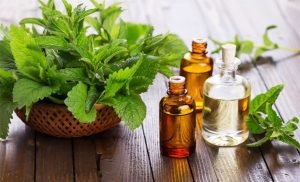
Tea Tree Essential Oil Tea tree oil is often referred to as “medicine cabinet in a bottle,” as it’s ..
-

13 surprising home remedies for acid reflux Before you reach for the heavy-duty, prescription-strength ..
-
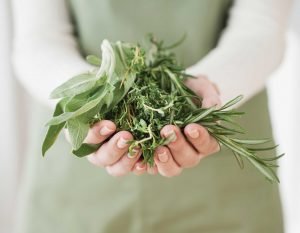
Great Burdock The root is used to treat ‘toxic overload’ that result in throat infections and skin ..