
-

1. Apples Are Nutritious A medium apple is equal to 1.5 cups of fruit. Two cups of fruit daily are recommended ..
-

1.Bananas help overcome depression due to high levels of tryptophan, which is converted into serotonin ..
-

1. Beta carotene: Carrots are a rich source of this powerful antioxidant, which, among other vital uses, ..
-

Tinnitus in the ear can occur due to ear infections, various infections, perforation of the eardrum, ..
-
Comments Off on Pregnancy Calendar – Week 5 of Your Pregnancy

5-week pregnancy “Pregnancy calendar” at week 5: Your baby’s brain is developing. You may feel ..
-
Comments Off on Pregnancy Calendar – Week 4 of Your Pregnancy

4 weeks pregnancy “Pregnancy calendar” at 4th week: A miracle begins! Your baby, now consisting ..
-

Why You Should Add More Bell Peppers to Your Diet
Bell peppers bring bright color, crisp texture, and a naturally sweet flavor to everyday meals. They are easy to eat raw, roast, sauté, stuff, or blend into sauces, making them a practical choice for people who want to add more vegetables without complicated recipes. Red, yellow, orange, and green peppers also offer slightly different flavors and nutritional profiles.
These versatile vegetables are especially valued for their vitamin C, carotenoids, fiber, and plant compounds. They are low in calories while adding volume and flavor, which can make balanced meals more satisfying. Whether added to breakfast, lunch, dinner, or a snack plate, bell peppers can support a varied diet.
The benefits of bell peppers extend beyond basic nutrition. Their antioxidants help protect cells from oxidative stress, their water content supports hydration, and their crunch can replace less nutritious snack options. Eating a range of colors throughout the week is a simple way to increase dietary variety.
A Colorful Source of Essential Nutrients
Bell peppers are an excellent source of vitamin C, a nutrient involved in immune function, collagen production, wound healing, and iron absorption. Red peppers generally contain more vitamin C than green peppers because they remain on the plant longer and develop as they mature. A serving can make a meaningful contribution to daily vitamin C needs, particularly when eaten raw or lightly cooked.
These vegetables also provide vitamin A-related carotenoids, vitamin B6, folate, and smaller amounts of vitamin E and vitamin K. Red and orange peppers contain especially useful amounts of beta-carotene, while yellow peppers offer other carotenoids such as lutein and zeaxanthin. Their nutrient content complements leafy greens, legumes, whole grains, nuts, seeds, and other produce.
Bell peppers are naturally low in fat and calories, with a high water content that gives them a refreshing texture. Their fiber supports normal digestion and may help meals feel more filling. Although they are not a complete source of protein, combining them with beans, eggs, yogurt, poultry, fish, tofu, or nuts creates a more balanced dish.
Antioxidants That Support Everyday Health
The vivid colors of bell peppers come from plant pigments with antioxidant activity. Antioxidants help the body manage free radicals, unstable molecules produced during normal metabolism and increased by factors such as pollution, smoking, and excessive sun exposure. A diet rich in vegetables supplies a broad mixture of these compounds rather than relying on a single supplement.
Red bell peppers contain lycopene and capsanthin, while orange and yellow varieties supply beta-carotene and other carotenoids. Green peppers contain chlorophyll and have a more grassy, slightly bitter taste. The precise levels vary according to variety, growing conditions, ripeness, and storage, but every color can contribute useful plant compounds to a meal.
Carotenoids are absorbed more efficiently when eaten with a small amount of healthy fat. Tossing peppers with olive oil, adding avocado to a salad, or combining roasted peppers with tahini can help the body use fat-soluble compounds. This does not require a large quantity of oil; a modest amount is enough to complement the vegetables.
Dietary antioxidants are most helpful as part of an overall eating pattern that includes fruits, vegetables, whole grains, beans, and other minimally processed foods. Bell peppers should be viewed as one nutritious ingredient in that pattern rather than as a cure or substitute for medical treatment.
How Different Colors Compare
The color of a pepper reflects its stage of ripeness and the pigments it has developed. Green bell peppers are harvested earlier, which gives them a firmer texture and sharper flavor. As peppers mature, they commonly become sweeter and develop different combinations of carotenoids.
Nutritional values can vary by size and preparation, so the comparison below is a general guide rather than a laboratory analysis. Fresh peppers usually retain more vitamin C than heavily boiled peppers because prolonged heat and water exposure can reduce or leach some nutrients.
Bell pepper color Typical flavor Notable nutrients and compounds Useful culinary roles Green Crisp, grassy, slightly bitter Vitamin C, vitamin K, chlorophyll, fiber Stir-fries, fajitas, omelets, soups Red Sweet and full-bodied High vitamin C, beta-carotene, lycopene, capsanthin Roasting, salads, sauces, stuffed peppers Yellow Mild and slightly sweet Vitamin C, lutein, zeaxanthin, carotenoids Grain bowls, sandwiches, fresh salads Orange Sweet and fruity Vitamin C, beta-carotene, other carotenoids Snacks, salsas, roasted vegetable dishes Choosing different colors helps prevent meals from becoming repetitive. It also increases exposure to a wider range of plant pigments. If someone prefers the taste of green peppers, there is no need to force a different variety; the most beneficial choice is the one that can be eaten regularly.
Benefits for Heart, Eyes, and Immunity
A vegetable-rich diet is associated with better cardiovascular health, and bell peppers can contribute through their fiber, potassium, antioxidants, and low sodium content. Potassium helps support normal fluid balance and blood pressure regulation, while replacing salty, highly processed snacks with fresh produce can reduce overall sodium intake. Bell peppers do not act as a blood pressure treatment, but they fit well into heart-conscious eating patterns.
The carotenoids lutein and zeaxanthin are concentrated in eye tissues, where they help filter some high-energy light. Regularly consuming foods that contain these compounds may support long-term eye health. Bell peppers work especially well with other colorful produce, such as spinach, corn, kale, tomatoes, carrots, and pumpkin.
Vitamin C is essential for normal immune system activity, although eating peppers cannot prevent every infection. Adequate nutrition helps the body perform its normal functions, and fresh vegetables are a reliable way to supply several vitamins and minerals at once. Their water and fiber content can also support general digestive and dietary quality.
People managing a health condition should consider their full eating plan rather than focusing on one ingredient. Those with specific dietary restrictions, digestive disorders, or allergies can discuss suitable portions and preparation methods with a qualified healthcare professional.
Easy Ways to Eat More Bell Peppers
Raw bell peppers are convenient because they require little preparation. Slice them into strips and pair them with hummus, bean dip, cottage cheese, or guacamole. Chopped peppers can add crunch to salads, wraps, sandwiches, grain bowls, and tuna or chickpea mixtures. Their natural sweetness also works well with apples, oranges, herbs, and mild cheeses.
Cooking changes their texture and flavor. Sautéed peppers become tender and sweeter, while roasting brings out a deeper taste and lightly charred edges. Add them to fajitas, tomato sauce, lentil soup, vegetable curry, pasta, or scrambled eggs. Stuffing halved peppers with quinoa, beans, lean meat, mushrooms, and herbs turns them into a filling main dish.
Blended peppers can form the base of a dip, salsa, soup, or pasta sauce. Roasted red pepper blended with white beans creates a creamy spread without relying on large amounts of oil. Frozen chopped peppers are also useful when fresh produce is unavailable, although their texture may be softer after thawing.
A gradual approach often works best. Add a small handful to one meal each day, then vary the color and preparation method. This makes it easier to discover preferred combinations while increasing vegetable intake naturally.
Choosing, Storing, and Preparing Them
When selecting fresh bell peppers, look for firm, glossy skin without soft spots, deep wrinkles, mold, or major bruising. The pepper should feel heavy for its size, which usually indicates good moisture content. The stem may look slightly dry, but the body should not feel limp. Organic and conventionally grown peppers can both be nutritious; proper washing and storage matter more than appearance alone.
Store unwashed peppers in the refrigerator crisper drawer and wash them shortly before eating. Keeping them dry can help reduce premature spoilage. Once cut, place them in a sealed container and use them within several days. Readers seeking the site’s contact information can use the available contact page for questions about published health content.
Wash peppers under cool running water and rub the surface gently before cutting. Soap, detergent, and commercial produce cleaners are not necessary. Remove the stem, seeds, and inner ribs if preferred; these parts are edible, but the ribs can taste slightly bitter. Cutting vegetables on a clean surface and refrigerating prepared portions promptly supports safe food handling.
Light cooking can make peppers easier to chew and more appealing to people who dislike raw vegetables. Steaming, roasting, or quick sautéing generally preserves a pleasant texture. Very long boiling may reduce some water-soluble nutrients, so using the cooking liquid in a soup or sauce can help retain what transfers into the water.
Practical Habits for Adding More Vegetables
Bell peppers are most useful when they become part of normal routines rather than an occasional garnish. Keep washed whole peppers visible in the refrigerator, prepare strips for quick snacks, and chop an extra portion while cooking dinner. Small habits reduce the effort required to include more produce.
Pairing peppers with familiar foods also makes them easier to enjoy. Add them to a morning egg dish, mix them into rice and beans, or serve them beside a sandwich. A balanced plate can include peppers alongside a protein source, a whole-grain food, and another vegetable or fruit.
Use these simple strategies to make them a regular part of meals:
- Keep sliced peppers with hummus, yogurt dip, or nut butter for a quick snack.
- Add chopped peppers to omelets, soups, pasta, tacos, and grain bowls.
- Roast a large batch with onions, zucchini, or tomatoes for several meals.
- Choose a different pepper color each shopping trip to increase variety.
- Combine cooked peppers with beans, lentils, eggs, tofu, fish, or poultry.
Fresh, frozen, and cooked forms can all fit into a healthy eating pattern. Canned roasted peppers may also be convenient, but check the label for added sodium and rinse them when appropriate. Variety, portion awareness, and overall dietary balance matter more than eating one specific form.
Making bell peppers a regular part of meals provides vitamin C, carotenoids, fiber, hydration, and satisfying flavor with minimal effort. Start with the color and preparation style you enjoy most, then experiment with new combinations. Add a serving to your next meal and let this colorful vegetable become an easy, dependable part of your everyday diet.
-
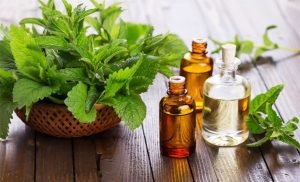
Tea Tree Essential Oil Tea tree oil is often referred to as “medicine cabinet in a bottle,” as it’s ..
-

13 surprising home remedies for acid reflux Before you reach for the heavy-duty, prescription-strength ..
-
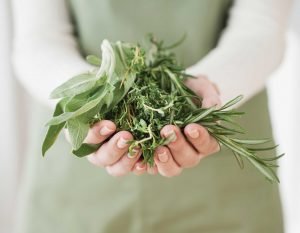
Great Burdock The root is used to treat ‘toxic overload’ that result in throat infections and skin ..