
-

1. Apples Are Nutritious A medium apple is equal to 1.5 cups of fruit. Two cups of fruit daily are recommended ..
-
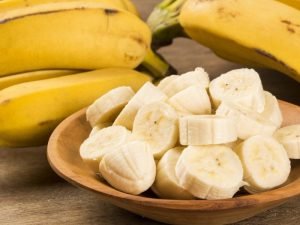
1.Bananas help overcome depression due to high levels of tryptophan, which is converted into serotonin ..
-

1. Beta carotene: Carrots are a rich source of this powerful antioxidant, which, among other vital uses, ..
-

Tinnitus in the ear can occur due to ear infections, various infections, perforation of the eardrum, ..
-
Comments Off on Pregnancy Calendar – Week 5 of Your Pregnancy

5-week pregnancy “Pregnancy calendar” at week 5: Your baby’s brain is developing. You may feel ..
-
Comments Off on Pregnancy Calendar – Week 4 of Your Pregnancy

4 weeks pregnancy “Pregnancy calendar” at 4th week: A miracle begins! Your baby, now consisting ..
-

Why your body needs electrolytes after exercise and how to replenish them
Electrolytes are dissolved minerals such as sodium, potassium, magnesium, calcium, chloride and phosphate. Although they are present in tiny amounts, they help regulate fluid movement, nerve impulses and muscle contraction. Sweating during a workout removes water and some sodium, so recovery depends on replacing fluid and what was lost. A sports drink is not essential for every session; food and water often do the job.
The balance becomes more important when exercise is long or intense, the weather is hot, or sweat runs freely. Brisbane and Darwin can be humid, while a summer run in Sydney or Melbourne may still feel demanding under bright sun. People training at a crowded gym, on a court or at a weekend football match can lose more fluid than they realise, particularly if clothing traps sweat. Athletes, manual workers and people taking heat-altering medicines should be especially alert to hydration needs.
Not every electrolyte product is necessary, however. A 30-minute walk or strength session may leave you needing only water and a normal meal. Electrolyte products become more useful across repeated exercise sessions, prolonged activity, heavy sweating or meals that do not provide enough salt. They also tend to contain added sugar, so they should complement food rather than become the main way of drinking fluids. Checking the label matters because coconut water, sports drinks and tablet mixes can have very different sodium and sugar levels.
Replenishment supports more than thirst. It helps normal nerve and muscle function and makes it easier to eat a recovery meal containing carbohydrate and protein. Persistent headaches, dizziness, unusual fatigue, very dark urine or passing little urine can point to dehydration. Confusion, collapse, vomiting or a worsening headache need prompt medical care, especially after heat exposure. Anyone with kidney disease, heart disease, pregnancy or a history of heat illness should seek individual advice rather than trying to correct an imbalance by guessing.
What electrolytes do in the body
Water moves in and out of cells under many influences, but electrolytes are the charged particles that help direct that movement. Sodium is especially important outside cells, where it supports fluid balance and nerve signalling; potassium, magnesium and calcium contribute to nerve and muscle activity. These minerals also help maintain blood pressure and acid-base balance. When the body is working normally, a varied diet and regular drinking are enough to keep the balance stable.
Exercise changes the pattern. Repeated muscle contractions move sodium and potassium across cell membranes, while sweat carries sodium and smaller amounts of other minerals to the skin. The exact concentration varies with heat, acclimatisation, genetics, clothing and sweat rate. A salty sweater does not always mean someone needs a strong electrolyte product, but it can be a clue that fluid and sodium losses deserve attention.
After exercise, glycogen and fluid stores may still be depleted, and the kidneys reduce urine output as the body conserves water. Replacing fluid helps normal circulation, digestion and temperature control, while restoring sodium supports fluid distribution. Electrolytes do not provide energy on their own, and they cannot undo muscle damage. Carbohydrate, protein, sleep and suitable loading also form part of recovery.
When sweat loss calls for replenishment
Replenishment matters most when fluid loss is substantial or repeated. Heavy perspiration, hot conditions, cycling, distance running, rowing and team sports can all increase losses. Warning signs include thirst, a dry mouth, headache, reduced concentration, unusual fatigue and less urine than usual. These symptoms overlap with many conditions, so they should encourage a pause and a check of hydration status rather than an automatic assumption that only electrolytes are missing.
Duration offers a useful guide. During a short or moderate session, ordinary water is usually sufficient, especially when a meal follows soon afterwards. For activity lasting more than about an hour, particularly in humid weather or with very salty sweat, a drink containing sodium may help replace part of the loss. Sports drinks can be practical during prolonged exercise, but they are less necessary for shorter workouts and may contribute more sugar than some people want.
Food is often the simplest electrolyte source. A meal containing bread, rice, potatoes, dairy products, eggs, meat, fish or tofu supplies sodium, potassium, magnesium and other nutrients. A salty lunch may do more for replacement than an expensive drink. People who sweat heavily every day, train in hot weather or cannot eat a balanced meal may gain more from a targeted electrolyte drink, powder or tablet.
Fluid, sodium and the risk of overdoing it
A useful starting point after exercise is to replace roughly 1.25 to 1.5 litres of fluid for every kilogram of body mass lost. One kilogram is approximately one litre of sweat. A quick before-and-after weight comparison can estimate the loss, although clothing, toilet visits and the weight of drinks can affect the result. Replacement can be spread across the next few hours, with normal meals and drinking included.
There is no single sodium target for every person. Ordinary food and salty meals often cover routine needs, but substantial sweat losses may justify additional sodium, especially during repeated sessions in the heat. Sports drinks and electrolyte powders vary widely, so compare the sodium per litre or per serving rather than relying on the front of the packet. Products with added sugar may be useful for prolonged activity, while lower-sugar options may suit recovery when a carbohydrate-rich meal is eaten soon afterwards.
More is not always better. Drinking very large amounts of plain water in a short period can dilute sodium in the blood and cause hyponatraemia. Excessive salt can also create problems, particularly for people with high blood pressure or kidney disease. Avoid homemade salt mixtures unless a health professional has given instructions, and do not use energy drinks as electrolyte replacements because they can combine substantial caffeine with sugar. Thirst, urine colour and body-mass changes are useful clues, but they are not precise laboratory measurements.
Food, drinks and a simple recovery routine
The easiest recovery plan is the one that fits normal Australian routines. Water with a meal, a piece of fruit, yoghurt or a fortified plant-based drink may provide enough for an ordinary workout. Products marketed specifically for hydration are most helpful when the session was long, the weather was hot or sweating was heavy.
Everyday sources of electrolytes
- Water with regular meals supports hydration, while everyday foods supply most of the sodium, potassium, magnesium and calcium needed for recovery.
- Dairy milk, yoghurt or calcium-fortified soy milk provides calcium, potassium and, when added, protein for muscle recovery.
- Bananas, oranges, kiwi fruit, potatoes, tomatoes, avocados and leafy greens are practical sources of potassium and other minerals.
- Soup, broth, eggs, cheese, olives, fish or salted snacks add sodium and can complement a carbohydrate-rich meal after hard sweating.
- Coconut water supplies potassium and some carbohydrate, but it is usually low in sodium, so it should not be treated as a complete sports-drink substitute.
- Commercial sports drinks, electrolyte powders or tablets can be convenient for prolonged activity, although their sodium, sugar and serving sizes differ considerably.
For an active person, eating within a few hours of exercise helps restore energy and provide the raw materials for repair. Sodium supports fluid retention, while carbohydrate replaces some used glycogen and protein supports muscle recovery. The meal does not need to be elaborate or specially labelled.
A straightforward recovery sequence
- Estimate fluid loss by comparing body mass before and after exercise when convenient, recognising that a one-kilogram difference represents about one litre of sweat.
- Begin drinking soon after training and continue as thirst guides you, rather than trying to consume the entire replacement amount in one sitting.
- Include carbohydrate and protein in the next meal, such as rice with fish, toast with eggs, yoghurt with fruit or a fortified plant milk.
- Use a sodium-containing drink for unusually long or hot sessions, then combine it with ordinary food and avoid adding excessive salt.
- Track persistent thirst, dizziness, very dark urine or reduced urination, and seek medical advice if symptoms do not improve or become severe.
Some people benefit from preparing a bottle before leaving home, while others buy drinks from a supermarket, gym or chemist after training. The best option is one that supplies enough sodium without excess sugar and can be consumed consistently. Recovery should support the next meal and the next session, not become a complicated ritual built around expensive products.
An Australian guide to practical replenishment
Australian training culture includes Australian rules football, rugby league, union, cricket, netball, running events, cycling and outdoor fitness. Many sessions take place in summer conditions that produce substantial sweat, while weekday training may fit around work, school or a commute. Carrying a reusable bottle, taking a break for water and planning a recovery meal are common practical habits. In cities such as Melbourne, Brisbane, Perth, Adelaide, Sydney, Hobart, Darwin and Canberra, local climate and indoor heating can create very different hydration needs from one day to the next.
The Australian market offers ready-to-drink sports drinks, electrolyte powders, tablets, coconut water, milk, fortified plant milks and ordinary bottled water. Packaged products sold as food or beverages must comply with the Food Standards Australia New Zealand Food Standards Code, including requirements for ingredient and nutrition information. Under the Australian Consumer Law, businesses must not make misleading representations about a product’s contents or benefits. Check the serving size, sodium and added sugar rather than relying on words such as “natural”, “sugar-free” or “performance” on the front of the package. Products presented as therapeutic medicines are regulated through the Australian Therapeutic Goods Administration and have different labelling requirements.
Online shopping deserves the same attention given to any unfamiliar checkout, especially for powders, tablets and bundled supplements. Verify the seller, ingredients, delivery details and payment route before approving a transaction. A short note on online payment safety illustrates why unexpected redirects deserve a pause. For most people, consistent drinking, a balanced meal and ordinary salt intake are sufficient after routine exercise; electrolyte products become most useful when sweat loss is unusually high or repeated.
-

Tea Tree Essential Oil Tea tree oil is often referred to as “medicine cabinet in a bottle,” as it’s ..
-

13 surprising home remedies for acid reflux Before you reach for the heavy-duty, prescription-strength ..
-

Great Burdock The root is used to treat ‘toxic overload’ that result in throat infections and skin ..