
-

1. Apples Are Nutritious A medium apple is equal to 1.5 cups of fruit. Two cups of fruit daily are recommended ..
-

1.Bananas help overcome depression due to high levels of tryptophan, which is converted into serotonin ..
-
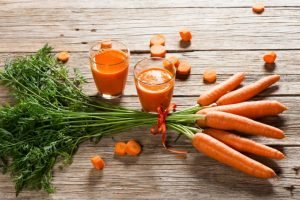
1. Beta carotene: Carrots are a rich source of this powerful antioxidant, which, among other vital uses, ..
-

Tinnitus in the ear can occur due to ear infections, various infections, perforation of the eardrum, ..
-
Comments Off on Pregnancy Calendar – Week 5 of Your Pregnancy

5-week pregnancy “Pregnancy calendar” at week 5: Your baby’s brain is developing. You may feel ..
-
Comments Off on Pregnancy Calendar – Week 4 of Your Pregnancy

4 weeks pregnancy “Pregnancy calendar” at 4th week: A miracle begins! Your baby, now consisting ..
-

Why your body needs omega-3s and the best plant-based sources
Omega-3 fatty acids are essential fats, which means the body needs them but cannot make enough of them on its own. They support cell membranes throughout the body and help regulate processes involved in the heart, brain, eyes and immune system. Getting them regularly through food is a practical part of a balanced eating pattern.
The main forms are alpha-linolenic acid (ALA), found largely in plants, and the long-chain fats eicosapentaenoic acid (EPA) and docosahexaenoic acid (DHA). ALA can be converted into EPA and DHA, although the conversion is limited and varies between individuals. This distinction matters for people who eat little or no seafood.
A plant-based diet can supply plenty of ALA through seeds, nuts, legumes and their oils. People following vegan or vegetarian diets may also choose an algae-derived DHA or EPA supplement, since algae are the original source of the omega-3 fats accumulated by many marine animals.
Food choices should fit your health needs, budget and usual routine. In Australia, chia seeds, linseeds, walnuts, tofu and fortified products are widely available in supermarkets, health-food shops and farmers’ markets from Melbourne to Brisbane. Small, consistent additions are generally easier to maintain than a dramatic change in eating habits.
What omega-3 fats do in the body
Omega-3 fats form part of the structure of cells, including cells in the brain, retina and blood vessels. DHA is especially concentrated in the brain and eyes, while EPA helps contribute to signalling compounds that influence inflammation and circulation. These fats work alongside omega-6 fats rather than acting as a standalone treatment for a health condition.
Research has linked adequate omega-3 intake with cardiovascular benefits, particularly when seafood replaces foods high in saturated fat. Eating oily fish has stronger evidence for heart health than taking supplements for the general population. Plant foods rich in ALA remain valuable because they provide essential fat, fibre, protein, minerals and protective plant compounds.
Omega-3s are often discussed in relation to inflammation. The body uses fatty acids to produce signalling molecules that can help regulate inflammatory responses, but this does not mean a spoonful of flaxseed will cure arthritis, eczema or another inflammatory disease. Persistent pain, swelling, digestive symptoms or fatigue deserve assessment by a qualified health professional.
Some people find it helpful to review basic nutrition terminology before comparing food labels or supplements. A general nutrition reference can provide background, although medical decisions should rely on advice from an Australian-registered dietitian, doctor or pharmacist.
ALA, EPA and DHA explained
ALA is the essential plant omega-3. Good sources include linseeds, chia seeds, hemp seeds, walnuts, soybeans and canola oil. The body can convert ALA into EPA and DHA, but the amount produced is relatively small. For this reason, eating ALA-rich foods is important, but it may not fully replace direct sources of long-chain omega-3 for every person.
EPA and DHA are found naturally in fish, seafood and algae. Algae-based supplements provide a direct vegan source of DHA, and some products also contain EPA. This can be useful for people who avoid fish because of ethical, environmental, cultural or allergy-related reasons. Check the product label carefully, since some algae oils supply DHA only.
The Australian Dietary Guidelines encourage a varied pattern of vegetables, fruit, wholegrains, legumes, nuts, seeds and healthy oils, with seafood included where suitable. Someone in Perth who regularly eats sardines or salmon may have different needs from a vegan office worker in Adelaide who rarely eats fortified foods. Individual dietary patterns matter more than a single “best” source.
Omega-3 content can vary significantly between products. Whole chia seeds may pass through the digestive tract less thoroughly than ground seeds, while oils provide concentrated fat without the fibre and protein found in the whole food. Grinding linseeds shortly before use, or buying them ground and storing them appropriately, can make them easier to use.
The best plant-based sources to add
Linseeds, also called flaxseeds, are among the richest everyday sources of ALA. Ground linseed can be stirred into porridge, yoghurt, smoothies or wholegrain muffin mixtures. Chia seeds absorb liquid and can be added to overnight oats, puddings or a homemade muesli blend. Start with small serves and drink enough water, as a sudden increase in seeds may cause bloating or constipation.
Walnuts provide ALA along with protein, fibre and minerals. Hemp seeds have a mild flavour and work well over salads, steamed vegetables or rice bowls. Soybeans, edamame, tempeh and tofu contribute ALA in addition to useful plant protein, making them especially practical in vegetarian and vegan meals.
Canola oil contains ALA and is widely available in Australian supermarkets. It can be used for everyday cooking, while linseed oil is better suited to dressings because heat, light and oxygen can damage its delicate fats. Store linseed oil in the refrigerator and follow the use-by instructions. Do not treat any cooking oil as a reason to consume unlimited calories.
Fortified foods may help people who rarely eat seeds or nuts. Some plant milks, spreads and egg alternatives contain added omega-3, though the amount differs greatly by brand. Look for “ALA,” “DHA” or “EPA” in the nutrition panel rather than assuming a product is enriched because its packaging uses words such as natural or wholesome.
Simple ways to meet your needs
A useful approach is to include one ALA-rich food most days and vary the sources across the week. A Melbourne breakfast might include oats with ground linseed and walnuts, while a Sydney lunch could feature tofu, edamame and leafy greens. These meals also supply fibre and micronutrients that an isolated oil capsule cannot provide.
Portion size should suit the rest of the diet. One to two tablespoons of chia or ground linseed, a small handful of walnuts, or a meal containing tofu can fit comfortably into many eating patterns. People with nut allergies can use seeds, soy foods or canola oil instead. Anyone with a soy allergy should read labels carefully because soy ingredients appear in many meat alternatives.
For people who eat seafood, the Australian market offers options such as sardines, salmon and trout, which are generally richer in EPA and DHA than white fish. Canned sardines can be an affordable choice for a busy household in regional Queensland or Canberra, and they require little preparation. Choose lower-salt varieties when possible and follow Australian food-safety advice for storage after opening.
A vegan eating pattern may benefit from an algae-derived supplement, particularly during pregnancy, breastfeeding or periods when fortified foods are uncommon. The dose should be discussed with a healthcare professional. During pregnancy, fish choices also need attention because Australian guidance advises limiting high-mercury species; pregnancy supplements should not be selected solely by reading online claims.
Supplements, safety and quality
Fish oil is not automatically better than plant food, and supplements are not suitable for everyone. High doses may affect blood clotting, interact with medicines such as anticoagulants, or cause digestive discomfort and fishy aftertaste. Anyone taking regular medicines, preparing for surgery or managing a bleeding disorder should speak with a doctor or pharmacist before using an omega-3 product.
Algae oil is usually the most direct plant-based supplement option for DHA, with some products providing EPA as well. Choose products that clearly state the amount of EPA and DHA per serving, rather than relying on the total oil weight. In Australia, complementary medicines supplied legally carry an AUST number, but this does not mean a product is appropriate for every individual or that it can treat disease.
Quality and storage matter. Keep oils away from heat and direct sunlight, and discard products that smell strongly rancid. Refrigeration may be recommended after opening. A supplement should complement meals rather than compensate for a diet low in vegetables, legumes, wholegrains and other essential foods.
People with a diagnosed condition should avoid replacing prescribed treatment with omega-3 capsules. Clinical advice is particularly important for children, pregnant people, breastfeeding parents and anyone with a severe allergy. A dietitian can help compare fortified foods, whole-food sources and supplements within an Australian grocery budget.
A practical routine for everyday meals
The easiest routine is often the one that attaches omega-3-rich foods to meals already eaten. Keep chia or ground linseed near the breakfast ingredients, add walnuts to a work snack, use canola oil for ordinary cooking and include tofu or edamame in a weekly dinner. In hot Australian weather, store seeds and oils carefully so they stay fresh.
Shopping at local markets can make variety easier, but supermarket products are equally useful. Frozen edamame, canned beans, vacuum-packed tofu and canned fish are convenient options for households managing shift work, school schedules or long commutes in cities such as Sydney, Melbourne and Perth. Compare labels for sodium, added sugar and the actual omega-3 amount.
Use the following habits as a simple guide:
- Add ground linseed or chia to breakfast several times each week.
- Eat a small handful of walnuts or use seeds in salads and snacks.
- Choose tofu, tempeh, edamame or soy milk as regular protein foods.
- Use canola oil for general cooking and reserve linseed oil for cool dishes.
- Check fortified products for the specific type and amount of omega-3.
- Ask a pharmacist or dietitian about algae oil if a direct DHA or EPA source is needed.
A varied diet supplies more than a single nutrient. Pairing seeds and nuts with vegetables, legumes, wholegrains and fruit creates meals that support digestion, heart health and steady energy. Omega-3-rich foods are most useful when they become a normal part of eating rather than a short-term wellness trend.
-

Tea Tree Essential Oil Tea tree oil is often referred to as “medicine cabinet in a bottle,” as it’s ..
-

13 surprising home remedies for acid reflux Before you reach for the heavy-duty, prescription-strength ..
-

Great Burdock The root is used to treat ‘toxic overload’ that result in throat infections and skin ..