
-

1. Apples Are Nutritious A medium apple is equal to 1.5 cups of fruit. Two cups of fruit daily are recommended ..
-
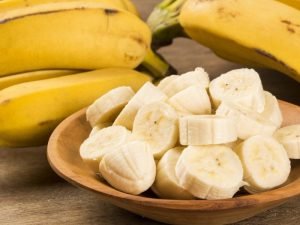
1.Bananas help overcome depression due to high levels of tryptophan, which is converted into serotonin ..
-
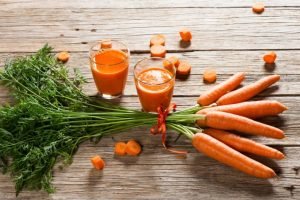
1. Beta carotene: Carrots are a rich source of this powerful antioxidant, which, among other vital uses, ..
-

Tinnitus in the ear can occur due to ear infections, various infections, perforation of the eardrum, ..
-
Comments Off on Pregnancy Calendar – Week 5 of Your Pregnancy

5-week pregnancy “Pregnancy calendar” at week 5: Your baby’s brain is developing. You may feel ..
-
Comments Off on Pregnancy Calendar – Week 4 of Your Pregnancy

4 weeks pregnancy “Pregnancy calendar” at 4th week: A miracle begins! Your baby, now consisting ..
-

Why your body needs potassium and the best food sources to try
Potassium is an essential mineral that helps cells hold electrical charge and move water in a controlled way. It is needed for nerve signalling, muscle contraction and a steady heart rhythm. Because very small changes in blood potassium can affect how the body functions, getting enough is important, even though most people obtain it without thinking about it.
The best food sources to try are often ordinary foods familiar in Australian kitchens, including potatoes, milk, beans, bananas and leafy greens. The bigger issue is frequently a dietary pattern built around refined grains and highly processed meals, which can deliver plenty of sodium while providing less potassium, fibre and micronutrients. Changing one or two choices usually matters more than chasing a nutrient perfectly.
Potassium works alongside other electrolytes, especially sodium, and needs depend on age, body size, pregnancy, activity, medicines and kidney health. More is not automatically better: people with impaired kidney function or certain medicines can develop dangerous potassium levels. A food-first approach is sensible for most adults, while medical advice is essential when there is a known condition.
Australian shoppers can find practical options in Woolworths and Coles supermarkets, independent greengrocers and markets such as Melbourne’s Victoria Market or Sydney’s Queen Victoria Market. Seasonal produce, tinned legumes and plain dairy make it easy to vary the plate. Understanding amounts in food, rather than relying on supplement claims, offers the clearest route to meeting daily requirements.
What potassium does in the body
About 90 per cent of the body’s potassium sits inside cells, where it supports the sodium-potassium pump that moves sodium out and potassium in. This electrical gradient allows nerves to send signals and muscles to contract, including the heart muscle. Water follows these movements across cell membranes, so potassium is closely linked with fluid balance and normal blood pressure.
Australian Nutrient Reference Values give an adequate intake of about 2,000 milligrams a day for adult men and 1,700 milligrams for adult women, with higher needs during lactation and some other circumstances. These are population-level figures, not a dose prescribed for every individual. A varied diet containing vegetables, fruit, legumes, dairy and potatoes can cover the target without calculation.
Potassium also works with magnesium, calcium and sodium in digestion, bone health and muscle function. Vitamin D supports calcium absorption, while dietary fibre helps maintain regular bowel movements and supports the gut microbiome. A plate containing several potassium sources is generally more useful than one large serving because it also supplies fibre, protein and protective plant compounds.
Low potassium symptoms and when to act
Low potassium, or hypokalaemia, can follow persistent vomiting or diarrhoea, some medicines, excessive sweating in unusual circumstances, or conditions that increase urinary loss. Early signs may include fatigue, muscle weakness, cramps, constipation and an irregular heartbeat. These symptoms are not specific, and a potassium supplement is not a safe way to test the possibility.
Persistent limb pain after an injury should not simply be labelled an electrolyte problem. This guide to CRPS explains complex regional pain syndrome, a distinct pain condition that may involve continuing pain, swelling, sensitivity and changes in limb function. A clinician can assess the pattern and rule out potassium deficiency or another treatable cause.
A blood test is usually needed to check potassium levels. People with heart symptoms, severe weakness, fainting or confusion need prompt medical assessment, while repeated vomiting or inability to keep fluids down warrants urgent care. In Australia, call 000 for an emergency. A general practitioner can review medicines and blood results, and a pharmacist can advise about interactions and over-the-counter products.
Everyday foods rich in potassium
Potassium-rich foods are widely available and inexpensive. Check the produce section at Woolworths or Coles, then add shelf-stable choices such as tinned beans and milk so the list remains useful when fresh ingredients are scarce. The following everyday foods are easy to include, although portions, preparation and brands change their potassium content.
- Baked potato with skin: A medium potato can provide roughly 500–600 milligrams of potassium, with much of it retained in the skin.
- Banana: One medium banana commonly supplies around 350–450 milligrams, making it a portable fruit choice.
- Beans, lentils and chickpeas: Half a cup of cooked legumes can contribute about 350–500 milligrams, plus protein and fibre.
- Spinach and other leafy greens: Half a cup of cooked spinach delivers around 400–500 milligrams and adds folate and vitamin K.
- Milk and yoghurt: A cup of milk offers roughly 350–400 milligrams; plain yoghurt provides a similarly useful dairy option.
Preparation has a modest effect. Boiling spinach retains more potassium than cooking it in a large volume of water, while leaving potato skins on reduces losses. Eating the potato with a small amount of protein, such as baked beans or tuna, also creates a balanced meal rather than treating one vegetable as the whole plate.
Exact figures vary with size and variety: a large banana contains more than a small one, and reduced-fat products may have slightly different nutrient levels. The practical goal is regular inclusion. Two fruit servings, several vegetable servings and a legume or dairy food across the day can build a substantial potassium intake without large portions at any one meal.
More foods and ways to build a balanced plate
A broader shopping list helps prevent favourite foods from becoming the only choices. Fruit, vegetables, fish, nuts and wholegrain products can all raise potassium intake while contributing other nutrients. Useful additions include:
- Oranges, kiwi and dried apricots: Each offers a meaningful amount, with dried fruit especially concentrated by its lower water content.
- Avocado: Half a medium fruit can provide about 250–300 milligrams along with unsaturated fat and fibre.
- Tomatoes and canned tomatoes: A standard serve contributes potassium, although salt content varies considerably by product.
- Salmon and sardines: A 100-gram cooked portion can supply roughly 350–500 milligrams and also provides protein and omega-3 fats.
- Wholegrain bread with peanut butter: Two slices and a modest spread add potassium, whole grains and unsaturated fat.
Nuts and seeds are convenient but energy-dense, so a small handful is more appropriate than a large mound. Similarly, dried fruit concentrates sugars as well as potassium and is best used in a small amount. Tinned fish with bones, such as sardines, adds calcium, while fresh fruit keeps meals hydrating and helps meet everyday energy needs.
Combining foods across categories is more valuable than trying to identify one superfood. A tomato-based bean soup, yoghurt with fruit and seeds, or a wholegrain sandwich with avocado provides potassium alongside fibre, protein and unsaturated fats. These combinations also fit common Australian meal patterns, from weekend barbecue plates to quick weekday lunches.
Potassium, sodium and fibre in Australian meals
Potassium does not cancel out an otherwise high-sodium diet, although the two minerals are connected in blood-pressure regulation. Many packaged soups, cured meats, snack foods and instant noodles contain sodium, and Australia’s taste for salty takeaway meals can make the balance easy to miss. Choosing lower-sodium stock, rinsing tinned beans and using herbs instead of extra salt can improve the overall pattern.
Australian food labels use kilojoules for energy, and per-100-gram information is useful for comparing products, even when the packet front highlights a single serve. In supermarkets, compare similar plain and flavoured yoghurts, cereals and canned goods rather than relying on front-of-pack wording. A chemist can also identify reduced-sodium salt substitutes that use potassium chloride instead of part or all of the sodium chloride.
Fibre and potassium often arrive together in beans, vegetables, fruit and wholegrains. Increasing both at once can cause discomfort if the change is abrupt, so build up gradually and drink enough fluid. Good hydration supports normal digestion and kidney function, but bottled sports drinks are unnecessary for everyday activity; plain water and ordinary food usually provide what a sedentary day requires.
Labels, supplements and safety checks
Check how a product is consumed, not just the nutrition panel. A listed serve may be half a packet, while a standard Australian drink can be 375 or 600 millilitres and may contain added sugar. For fresh foods, app databases are usually estimates based on averages. For packaged foods, the label is more dependable, especially when comparing potassium and sodium together.
Most healthy adults do not need potassium tablets. Excess supplementation can cause nausea, abdominal discomfort and dangerous changes in heart rhythm, particularly when kidney function is reduced. People taking angiotensin-converting enzyme inhibitors, angiotensin receptor blockers, spironolactone or other potassium-altering medicines should ask a doctor or pharmacist before using supplements or potassium-based salt substitutes.
Kidney disease, adrenal disorders and some other conditions can also affect potassium handling. People already diagnosed with high or low potassium should follow their treatment plan rather than changing the diet drastically. Healthy Life Live can clarify general nutrition content through its contact email address, but personal symptoms, prescriptions and blood results need review by a treating clinician.
A practical day of potassium-rich choices
A simple day can provide several potassium sources without special products. Breakfast might be plain yoghurt with banana and a teaspoon of seeds; lunch could be a wholegrain sandwich with baked beans, tomato and avocado; dinner might include salmon, baked potato and steamed broccoli. Each meal contributes potassium while also supplying protein, fibre and unsaturated fats.
Seasonal eating suits Australia’s Southern Hemisphere growing conditions: stone fruit is abundant in summer, while citrus and leafy greens are useful winter choices. At a family barbecue, plain grilled fish or meat, a baked potato, salad and a bowl of fruit can be more nutrient-dense than focusing on processed barbecue sides. Melbourne and Sydney markets also offer local seasonal produce when supermarket prices are high.
The strongest dietary pattern is repetitive rather than dramatic: potatoes or other starchy vegetables, beans and lentils, fruit, leafy greens, dairy or fish, with limited reliance on highly processed foods. Potassium arrives alongside fibre, vitamins and minerals, and the plate also supports heart and muscle health. Individual needs still determine whether that pattern is appropriate and whether medical supervision is necessary.
-

Tea Tree Essential Oil Tea tree oil is often referred to as “medicine cabinet in a bottle,” as it’s ..
-

13 surprising home remedies for acid reflux Before you reach for the heavy-duty, prescription-strength ..
-
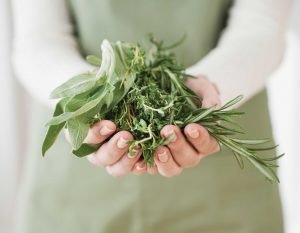
Great Burdock The root is used to treat ‘toxic overload’ that result in throat infections and skin ..