
-

1. Apples Are Nutritious A medium apple is equal to 1.5 cups of fruit. Two cups of fruit daily are recommended ..
-
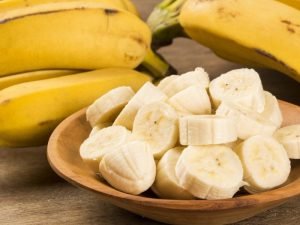
1.Bananas help overcome depression due to high levels of tryptophan, which is converted into serotonin ..
-
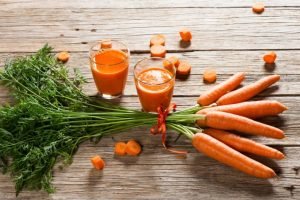
1. Beta carotene: Carrots are a rich source of this powerful antioxidant, which, among other vital uses, ..
-

Tinnitus in the ear can occur due to ear infections, various infections, perforation of the eardrum, ..
-
Comments Off on Pregnancy Calendar – Week 5 of Your Pregnancy

5-week pregnancy “Pregnancy calendar” at week 5: Your baby’s brain is developing. You may feel ..
-
Comments Off on Pregnancy Calendar – Week 4 of Your Pregnancy

4 weeks pregnancy “Pregnancy calendar” at 4th week: A miracle begins! Your baby, now consisting ..
-
Why Liver Health Matters and Foods That Power Natural Detoxification
The liver quietly handles hundreds of tasks every day, from filtering blood and breaking down medications to storing vitamins and producing bile for digestion. Most Australians don't think about this walnut-sized organ until something goes wrong, yet liver concerns have been climbing steadily across the country, with fatty liver disease now affecting roughly one in three adults according to recent Australian health surveys. Whether you're grabbing a flat white in Brisbane, heading out for a surf at Bondi, or catching up with mates at a barbie on the weekend, the choices you make around food and drink shape how well your liver performs its behind-the-scenes work.
Australia's relationship with alcohol, processed takeaway, and rich pub meals puts extra pressure on hepatic function, especially when combined with long, hot summers that can leave people dehydrated. The good news is that the liver is remarkably resilient and responds quickly to supportive nutrition, plenty of water, and a few smart lifestyle tweaks. Understanding what this organ does, why it struggles, and which everyday foods can give it a hand is the first step toward better long-term wellbeing.
The Daily Work Your Liver Performs Behind the Scenes
Few organs in the body match the liver for sheer workload. It processes almost everything that enters the bloodstream through the digestive tract, sorting nutrients, neutralising harmful compounds, and deciding what gets stored, used, or sent out as waste. Bile production alone is a critical function, as this greenish fluid breaks down fats in the small intestine and carries away waste products that would otherwise accumulate in harmful concentrations.
Beyond digestion, the liver manages blood sugar by storing excess glucose as glycogen and releasing it when energy demands rise. It manufactures clotting factors that prevent excessive bleeding, produces cholesterol needed for hormone synthesis, and converts ammonia from protein metabolism into urea, which the kidneys then excrete. Australian pathologists commonly test liver enzymes such as ALT, AST, and GGT to gauge how well these processes are running, and elevated readings often signal that hepatocytes are under stress long before any symptoms appear.
The liver also acts as the body's primary detoxification hub. Phase I and Phase II enzyme pathways transform alcohol, caffeine, medications like paracetamol, pesticide residues on produce, and environmental chemicals into less harmful substances that can be safely eliminated. When this system becomes overloaded, those intermediate compounds can linger, leading to oxidative stress, inflammation, and eventually damage to liver cells themselves.
Why Livers in Australia Are Working Harder Than Ever
Lifestyle patterns unique to Australian culture have made liver support an increasingly relevant conversation. The country's love of a long lunch with a few schooners, weekend pub crawls during footy season, and the convenience of takeaway fish and chips on a Friday arvo all add up. Data from the Australian Bureau of Statistics shows that alcohol consumption per capita remains high compared to many OECD nations, and binge drinking episodes are common across both metro and regional areas.
Dietary patterns play an equally large role. Ultra-processed snacks, sugary soft drinks, and deep-fried favourites dominate many shopping trolleys, and a steady intake of refined carbs, saturated fats, and added sugars has been directly linked to non-alcoholic fatty liver disease. Busy workers grabbing lunch from the servo or relying on pre-packaged meals often don't realise how quickly these habits compound over months and years until a routine blood test flags something concerning.
Then there are the hidden contributors. Australians take millions of paracetamol doses every year for headaches and muscle soreness, and exceeding recommended limits is a leading cause of acute liver injury. Hepatitis B and C, while less common than they once were, still affect thousands of people nationwide, particularly in communities with limited access to screening. Even seemingly harmless habits like finishing the day with a couple of wines to unwind can slowly push liver enzymes upward if they become a nightly ritual.
Foods That Actively Support Liver Function and Detox Pathways
While no single food acts as a magic cleanse, certain ingredients supply the specific nutrients and phytochemicals the liver needs to perform at its best. Cruciferous vegetables such as broccoli, Brussels sprouts, cauliflower, and kale contain glucosinolates, which break down into compounds that activate detoxifying enzymes and help neutralise carcinogens before they can cause harm. A roasted cauliflower salad or a side of steamed broccolini with garlic is a small change that pays off in the long run.
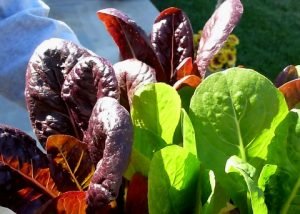
Leafy greens like spinach, rocket, and silverbeet are rich in chlorophyll, which assists the liver in eliminating environmental toxins. They also provide folate, a B vitamin essential for methylation, one of the key Phase II pathways. Australians are fortunate to have access to excellent local produce year-round, with bunches of rocket and baby spinach available at almost every greengrocer from Fremantle to Fitzroy, often picked just days before reaching the shelf.
Beetroot deserves special mention for its high concentration of betalains and nitrates, which improve blood flow through the liver and support bile production. A glass of fresh beetroot juice, popular in many Aussie cafés, can be a simple addition to a weekend brekkie routine. Garlic and onions, staples of nearly every home kitchen, deliver sulphur compounds that enhance detoxification and help the liver flush out heavy metals more efficiently.
Citrus fruits such as lemons, limes, and grapefruit provide vitamin C and flavonoids that boost glutathione production, the master antioxidant that the liver uses to neutralise free radicals. Starting the morning with warm lemon water is a long-standing habit among health-conscious Australians, and there's real biochemistry behind why it works. Turmeric, a spice widely used in modern Australian fusion cooking, contains curcumin, which has been shown in clinical studies to reduce liver inflammation and slow the progression of fatty liver disease.
Habits That Make These Foods Work Even Harder
Eating the right foods is only half the story. Hydration plays a critical role in liver function because water helps transport nutrients into hepatocytes and carries waste products out through bile and urine. During an Australian summer, when temperatures regularly climb above 35 degrees inland, dehydration can sneak up quickly and slow every metabolic process the liver performs. Carrying a reusable water bottle and sipping consistently through the day is far more effective than waiting until thirst kicks in.
Movement matters just as much. Regular physical activity, whether it's a morning swim at Manly, a jog along the Yarra, or a hike in the Blue Mountains, improves circulation and helps reduce liver fat. Studies have shown that even modest weight loss of five to ten percent of body weight can significantly reverse early-stage fatty liver changes. Combining exercise with adequate sleep, ideally seven to nine hours a night, allows the liver to perform its deepest repair work during the overnight hours when other systems quiet down.
Alcohol remains the single biggest lever most Australians can pull. The National Health and Medical Research Council currently recommends no more than ten standard drinks per week and no more than four on any single day, though many liver specialists suggest even less for long-term protection. Swapping a few evening drinks for sparkling water with lime, herbal tea, or a kombucha gives the liver valuable recovery time and helps maintain healthy enzyme levels over the long term.
Smart Additions and Habits Worth Building Into Your Week
Building a liver-friendly routine doesn't require a complete lifestyle overhaul. Small, consistent changes tend to stick far longer than dramatic short-term diets, and the liver responds particularly well to steady, supportive habits. The list below offers practical starting points that fit easily into a typical Aussie week, from weekday lunches to weekend meals shared with family and friends.
- Start the day with a glass of warm water with fresh lemon juice before reaching for your first flat white or cup of tea.
- Aim for at least two cups of cruciferous vegetables each day, whether tossed into a stir-fry, roasted alongside dinner, or blended into a morning smoothie.
- Swap one or two evening alcoholic drinks for kombucha, sparkling mineral water, or a turmeric latte on a slow afternoon.
- Snack on a small handful of walnuts or Brazil nuts, which provide selenium, glutathione precursors, and healthy fats that reduce liver inflammation.
- Choose Australian-grown beetroot, leafy greens, and garlic wherever possible to maximise freshness and minimise exposure to long-storage chemicals.
- Book a routine blood test through your GP every year or two to check liver enzymes, especially if you drink regularly or take regular medication.
Supporting liver health is less about following a strict plan and more about making everyday choices that quietly protect one of the body's most hardworking organs. For a deeper look at how small daily decisions shape long-term wellbeing, this lifelong learning and health resource offers a useful perspective. With a few thoughtful swaps at the supermarket, a refillable water bottle in the car, and a bit of movement most days, Australians can give their liver the support it needs to keep doing its essential work for decades to come.
-

Tea Tree Essential Oil Tea tree oil is often referred to as “medicine cabinet in a bottle,” as it’s ..
-

13 surprising home remedies for acid reflux Before you reach for the heavy-duty, prescription-strength ..
-
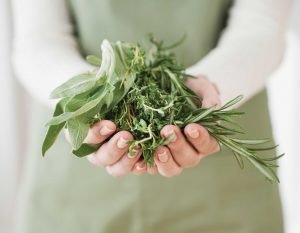
Great Burdock The root is used to treat ‘toxic overload’ that result in throat infections and skin ..