
-
1. Apples Are Nutritious A medium apple is equal to 1.5 cups of fruit. Two cups of fruit daily are recommended ..
-
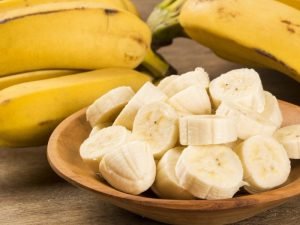
1.Bananas help overcome depression due to high levels of tryptophan, which is converted into serotonin ..
-
1. Beta carotene: Carrots are a rich source of this powerful antioxidant, which, among other vital uses, ..
-

Tinnitus in the ear can occur due to ear infections, various infections, perforation of the eardrum, ..
-
Comments Off on Pregnancy Calendar – Week 5 of Your Pregnancy

5-week pregnancy “Pregnancy calendar” at week 5: Your baby’s brain is developing. You may feel ..
-
Comments Off on Pregnancy Calendar – Week 4 of Your Pregnancy

4 weeks pregnancy “Pregnancy calendar” at 4th week: A miracle begins! Your baby, now consisting ..
-

Natural Electrolytes for Active Lifestyles
Electrolytes are minerals that help regulate fluid balance, nerve signals, muscle contractions, and heart rhythm. Sodium, potassium, magnesium, and calcium receive the most attention during exercise, although chloride and other charged minerals also support essential body functions. When you sweat, you lose water and electrolytes together, so replacing only one may not always restore balance.
For many people, everyday meals and plain water provide enough support for routine walks, light workouts, and short training sessions. Longer or more demanding activity can increase the need for sodium and fluids, particularly in hot, humid weather. Natural foods and minimally processed drinks can offer a useful alternative to brightly colored sports beverages.
The right choice depends on workout duration, sweat rate, climate, and overall health. A person exercising for an hour indoors may need a different hydration strategy from someone hiking for several hours in the heat. Learning which foods contain key minerals makes it easier to build a practical plan without relying on guesswork.
Why Electrolytes Matter During Activity
During movement, muscles use electrical signals to contract and relax. Sodium and potassium help maintain those signals across cell membranes, while calcium contributes to muscle contraction and nerve communication. Magnesium supports energy production and normal muscle function, making it relevant to recovery as well as performance.
Sweating is the body’s cooling system, but sweat contains varying amounts of sodium and smaller amounts of potassium, calcium, and magnesium. Heavy sweaters may notice a salty residue on clothing or skin after training. Headache, unusual fatigue, muscle cramps, dizziness, and nausea can occur with dehydration or mineral imbalance, although these symptoms may have many other causes.
Drinking a large volume of plain water quickly can also be problematic during prolonged exercise because it may dilute blood sodium. This condition, called exercise-associated hyponatremia, is uncommon but potentially serious. Hydration should therefore be steady and guided by thirst, sweat loss, and the demands of the activity rather than by a goal to consume as much water as possible.
Whole Foods That Replenish Key Minerals
Fruits and vegetables are valuable sources of potassium, a mineral involved in fluid regulation and muscle function. Bananas, oranges, melons, potatoes, sweet potatoes, tomatoes, leafy greens, and avocados can all contribute potassium to meals and snacks. Dried apricots and raisins are concentrated options, although their high natural sugar content makes portion size worth considering.
Leafy greens, pumpkin seeds, almonds, beans, lentils, and whole grains supply magnesium. Dairy products, calcium-set tofu, canned fish with edible bones, and fortified plant milks provide calcium. Beans, vegetables, and whole grains also contain smaller amounts of several electrolytes, while balanced meals add protein and carbohydrate needed for training and recovery.
Beets can fit especially well into a performance-focused eating pattern because they provide potassium and other nutrients in addition to naturally occurring nitrates. Their broader role in a heart-conscious diet is discussed in this guide to the benefits of eating beets. Try roasted beets in a grain bowl, blended into a smoothie, or paired with yogurt and herbs.
Whole foods usually work best as part of a regular eating pattern rather than as an emergency replacement during intense activity. A pre-workout meal of potatoes with eggs, yogurt with fruit, or oatmeal with nuts can supply fluids, carbohydrates, and minerals before sweating begins.
Hydrating Drinks From the Kitchen
Coconut water contains potassium and a modest amount of sodium, which makes it refreshing after light-to-moderate exercise. However, its sodium content may be too low for someone who loses a great deal of salt through sweat. Check the label for added sugar, especially when choosing flavored versions.
Milk is another useful recovery drink because it provides fluid, potassium, calcium, sodium, carbohydrates, and protein. Dairy milk can support post-exercise recovery, while fortified soy milk may offer a comparable nutritional profile. Unsweetened varieties are generally easier to fit into a balanced diet, though flavored milk can be practical after demanding training when additional carbohydrate is useful.
A homemade electrolyte drink can combine water, citrus juice, a small amount of salt, and a little honey or maple syrup. Citrus adds flavor and some potassium, while the sweetener provides carbohydrate for longer sessions. This type of drink is not automatically superior to a commercial product, but it allows control over sweetness and ingredients.
How Common Options Compare
Different drinks serve different purposes. Plain water is appropriate for many shorter sessions, while a drink containing sodium and carbohydrate may be more useful during prolonged exercise in hot conditions. Foods can provide minerals in a more substantial form, but they may be difficult to digest while running, cycling, or training intensely.
Natural option Main electrolytes and nutrients Best use Points to consider Banana Potassium, carbohydrate, magnesium Pre-workout snack or recovery Low in sodium Yogurt Calcium, potassium, sodium, protein Post-workout meal or snack Dairy may not suit everyone Coconut water Potassium, fluid, small amount of sodium Light activity and warm-weather refreshment Often low in sodium; check added sugar Potato with skin Potassium, carbohydrate, magnesium Pre-exercise meal Better as food than an in-workout option Milk or fortified soy milk Potassium, calcium, sodium, protein Recovery after training Consider allergies, intolerance, and added sugar Homemade citrus drink Fluid, small amounts of potassium and sodium Light-to-moderate exercise Recipe strength varies; avoid excessive salt Broth Sodium and fluid Heavy sweating or cold-weather activity Can be high in sodium for some people The comparison highlights an important point: no single natural source supplies every electrolyte in ideal amounts. A varied diet can cover daily needs, while a tailored drink may be more convenient during long sessions. Combining options, such as a banana with yogurt or a baked potato with a meal, improves the overall nutrient profile.
Match Hydration to Exercise Conditions
For activity lasting less than an hour at a comfortable intensity, drinking water according to thirst and eating normally is often sufficient. A small snack before or after exercise may provide all the additional potassium, magnesium, and carbohydrate needed. There is no universal requirement to consume an electrolyte drink every time you exercise.
Longer sessions, intense intervals, endurance events, and outdoor workouts in heat or humidity create greater fluid and sodium losses. In these circumstances, small, regular sips of a sodium-containing drink can be more practical than waiting until you feel depleted. A snack such as pretzels, a salted potato, or a sandwich may also help replace sodium when solid food is tolerated.
Individual sweat rates vary widely. To learn more about your pattern, weigh yourself before and after a familiar workout under similar conditions, accounting for fluids consumed and urine produced. A significant drop in body weight suggests fluid loss, while weight gain during exercise may indicate excessive drinking. These estimates are approximate, but they can help guide a more moderate approach.
People with kidney disease, heart failure, high blood pressure, diabetes, or conditions affecting fluid balance should seek individual medical advice before increasing salt, potassium, or fluid intake. Some medicines also change electrolyte levels. Severe confusion, fainting, persistent vomiting, chest symptoms, or worsening weakness during exercise requires prompt medical attention.
Practical Habits for Steady Hydration
A simple routine can make mineral-rich hydration easier to maintain without turning every workout into a nutrition calculation.
- Drink regularly across the day instead of consuming a large amount immediately before exercise.
- Include a fruit or vegetable, a protein source, and a whole-food carbohydrate in meals around training.
- Use salted foods or a sodium-containing drink for long, sweaty sessions rather than relying only on plain water.
- Carry portable options such as bananas, dried fruit, yogurt, roasted potatoes, or a small carton of fortified milk.
- Check labels on electrolyte powders and drinks for sodium, added sugar, caffeine, and serving size.
Color and marketing claims are not reliable measures of effectiveness. A drink labeled “natural” may still contain substantial sugar, while a homemade option may provide too little sodium for an endurance event. Compare the nutrition panel with the demands of your workout, and remember that electrolyte products cannot compensate for inadequate sleep, calories, or recovery.
Food timing also matters. Eat a balanced meal several hours before demanding exercise when possible, then use a smaller snack closer to the start if needed. Afterward, combine fluids with carbohydrate and protein. This approach supports glycogen replacement, muscle repair, and rehydration more effectively than focusing on minerals alone.
Build Hydration Into Your Daily Routine
Natural electrolyte sources work best when they are part of an overall eating pattern rich in fruits, vegetables, legumes, whole grains, dairy or fortified alternatives, nuts, seeds, and adequate protein. Such foods provide minerals alongside fiber and other nutrients that isolated powders do not always contain. Water remains the foundation, with electrolyte-rich choices added according to sweat loss and exercise demands.
Start by observing how your body responds to different workouts, weather conditions, and beverages. Prepare one or two reliable snacks, keep a suitable drink available for longer sessions, and adjust gradually rather than making dramatic changes. For ongoing symptoms or medical conditions that affect hydration, consult a qualified healthcare professional before changing your electrolyte intake.
Use these principles to plan your next week of meals and workouts: choose whole-food mineral sources daily, increase attention to sodium and fluids during prolonged sweating, and recover with a balanced snack or drink. Small, consistent habits can help active living feel more comfortable and sustainable.
-

Tea Tree Essential Oil Tea tree oil is often referred to as “medicine cabinet in a bottle,” as it’s ..
-

13 surprising home remedies for acid reflux Before you reach for the heavy-duty, prescription-strength ..
-

Great Burdock The root is used to treat ‘toxic overload’ that result in throat infections and skin ..