
-

1. Apples Are Nutritious A medium apple is equal to 1.5 cups of fruit. Two cups of fruit daily are recommended ..
-
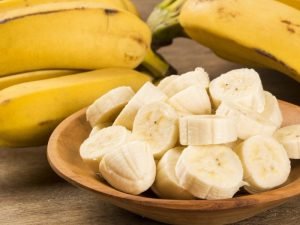
1.Bananas help overcome depression due to high levels of tryptophan, which is converted into serotonin ..
-
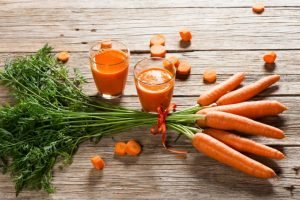
1. Beta carotene: Carrots are a rich source of this powerful antioxidant, which, among other vital uses, ..
-
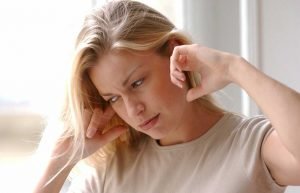
Tinnitus in the ear can occur due to ear infections, various infections, perforation of the eardrum, ..
-
Comments Off on Pregnancy Calendar – Week 5 of Your Pregnancy

5-week pregnancy “Pregnancy calendar” at week 5: Your baby’s brain is developing. You may feel ..
-
Comments Off on Pregnancy Calendar – Week 4 of Your Pregnancy

4 weeks pregnancy “Pregnancy calendar” at 4th week: A miracle begins! Your baby, now consisting ..
-
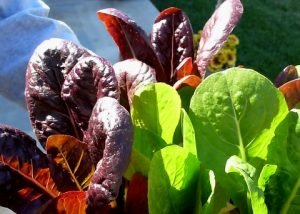
Can Probiotics Help Prevent Seasonal Allergies?
Seasonal allergies, often called hay fever or seasonal allergic rhinitis, affect many Australians when airborne pollen levels rise. Sneezing, an itchy or blocked nose, watery eyes and post-nasal drip can make work, sleep and outdoor activities harder. For some people, symptoms appear during spring; for others, grass, weed or tree pollen can trigger problems at different times of the year.
Probiotics are live microorganisms found in some fermented foods and supplements. Because the gut microbiome interacts with the immune system, researchers have investigated whether selected probiotic strains could influence the body’s response to allergens. The idea is biologically plausible, but the evidence does not support treating every probiotic product as a reliable form of allergy prevention.
Studies have produced mixed results. Some report modest improvements in nasal symptoms or quality of life, while others find no meaningful benefit. Differences in bacterial strains, doses, treatment length, age groups and allergy triggers make the research difficult to compare. A product that helped a particular group in a clinical trial cannot automatically be expected to prevent hay fever in everyone.
For people in Australia, this question has practical importance. Pollen exposure can be high around Melbourne, Canberra, Sydney and other areas with grass, trees and weeds, while thunderstorm asthma events have created additional concern in parts of Victoria. Probiotics may have a place in a broader health routine, but they should not replace proven allergy management or urgent asthma care.
What the gut and immune system have to do with allergies
The gut microbiome contains trillions of microorganisms that interact with the intestinal lining and immune cells. These microbes help break down some components of food and produce substances that may affect inflammation. They are also involved in the development of immune tolerance, which is the ability to respond appropriately rather than overreact to harmless substances.
Seasonal allergies occur when the immune system produces an exaggerated response to otherwise harmless airborne proteins. In allergic rhinitis, pollen exposure can activate mast cells and other immune pathways, leading to the release of histamine and inflammatory chemicals. This causes familiar symptoms such as sneezing, congestion and itchy eyes.
Researchers believe probiotics might influence this process through several mechanisms. Certain strains may support the intestinal barrier, alter immune signalling or encourage regulatory immune responses. They may also affect the balance of microbial metabolites that communicate with tissues beyond the digestive tract. These proposed effects are interesting, but laboratory findings do not always translate into noticeable relief for people with hay fever.
The term “probiotic” covers many different organisms, including strains of Lactobacillus, Bifidobacterium and other species. Their effects are strain-specific. This means that evidence for one named strain cannot be confidently applied to an unrelated product containing a different combination of bacteria.
What clinical studies have found
Clinical trials of probiotics for allergic rhinitis have reported varied outcomes. Some participants experienced fewer nasal symptoms, reduced medication use or better daily functioning. In other studies, probiotics made little difference compared with placebo. Reviews that combine several trials often describe the average effect as small, inconsistent or uncertain.
The timing of treatment may matter. Some research has tested probiotics before and during pollen season, while other studies have used them continuously for several months. The participants have also varied, including children, adults with established hay fever and people with other allergic conditions. A strain that appears useful in children may not produce the same result in adults.
A major limitation is that many trials are small and use different symptom scales. Products may contain one strain, multiple strains or a synbiotic combination of probiotics and prebiotic fibre. Dose, storage conditions and adherence can differ as well. These factors make it difficult to identify a single best probiotic for seasonal allergies.
Current evidence therefore supports cautious interest rather than a firm promise. Probiotics might provide a modest additional benefit for some people, but they have not been shown to reliably prevent pollen allergy or stop the development of allergic rhinitis. Their possible value is better considered as supportive and strain-dependent.
Food sources, supplements and the Australian market
Fermented foods can contribute beneficial microorganisms to the diet, although not every fermented food contains live cultures by the time it reaches the plate. Yoghurt with live cultures, kefir, some fermented vegetables and certain cultured drinks may contain bacteria associated with probiotic activity. Eating a varied diet that includes fibre-rich plant foods also supports the wider gut ecosystem.
Commercial probiotic supplements are widely available through Australian pharmacies, supermarkets, health-food shops and online retailers. Products may be sold as capsules, powders, chewables or refrigerated liquids. Labels commonly state the genus, species and strain, along with the number of live microorganisms. A higher number of organisms does not automatically mean a better product, because effectiveness depends on the specific strain and formulation.
In Australia, therapeutic probiotic products that make therapeutic claims may be regulated by the Therapeutic Goods Administration and included in the Australian Register of Therapeutic Goods. Food products follow a different regulatory pathway. Consumers should distinguish between a product with evidence for a specific health claim and one marketed with broad language about “immune support” or “microbiome balance”.
Storage matters because heat and moisture can reduce viability. A supplement that requires refrigeration should be transported and stored according to its label, particularly during hot Australian summers. It is also sensible to check the expiry date, the stated strain information and whether the product has been tested for the claimed number of live organisms through its shelf life.
How probiotics fit with proven allergy care
For seasonal allergic rhinitis, reducing exposure can help. Checking local pollen information, keeping windows closed when counts are high and showering after outdoor activities may reduce the amount of pollen carried indoors. Sunglasses can limit eye exposure, while washing hair and changing clothes after gardening or exercise may be useful during intense pollen periods.
Medication remains a central option for many people. Non-sedating antihistamines can ease sneezing and itching, and saline nasal rinses may help clear irritants when used with safe water and clean equipment. Intranasal corticosteroid sprays are often effective for nasal inflammation, but they need correct technique and regular use during the relevant period. A pharmacist or doctor can help select an appropriate product, especially for children, pregnancy or other medical conditions.
People with persistent or severe symptoms may need assessment for asthma, sinus disease or another cause of nasal irritation. Allergy testing can sometimes identify important triggers, and an allergist may discuss immunotherapy for suitable patients. Probiotics should be viewed as a possible adjunct, rather than a substitute for treatments with stronger evidence.
Some people also use warm fluids and nourishing foods for comfort when congestion or a sore throat accompanies allergy symptoms. A recipe such as turmeric, ginger and garlic broth may be soothing, but ingredients in a broth do not remove pollen from the air or replace allergy medicine. The distinction between symptom comfort and disease treatment is important when evaluating home remedies.
Safety, expectations and practical use
Probiotics are generally well tolerated by healthy adults, with temporary gas, bloating or changes in bowel habits among the more common effects. Serious infections linked to probiotics are rare, but the risk may be higher for people who are severely immunocompromised, critically ill or using central venous lines. Anyone in these groups should seek medical advice before taking a probiotic supplement.
Pregnant people, young children and older adults may also benefit from professional guidance because product quality and safety information can vary. A pharmacist can review possible interactions, although probiotics do not usually interact with common antihistamines. Anyone who develops fever, severe abdominal pain, persistent diarrhoea or an unusual reaction should stop the product and obtain medical advice.
If a person decides to try a probiotic for hay fever, expectations should remain realistic. Choosing a product that identifies its strain rather than listing only a broad bacterial species makes it easier to compare the label with research. The trial should be long enough to assess symptoms across the relevant pollen period, while any changes in congestion, sneezing, sleep and medication use can be recorded.
People should also avoid assuming that a supplement is working simply because symptoms fluctuate. Pollen counts vary from day to day, and seasonal allergies can naturally become better or worse. A clear record can help distinguish a genuine pattern from coincidence and can give a healthcare professional useful information.
The research suggests that probiotics may influence immune and allergic pathways in selected circumstances, but they cannot currently be recommended as a dependable way to prevent seasonal allergies. For Australians coping with hay fever, the most reliable approach combines exposure reduction, evidence-based medicines and medical review when symptoms are severe. A carefully chosen probiotic may be reasonable for some people, but its potential benefit is likely to be modest and specific to the strain used.
-
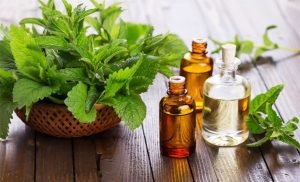
Tea Tree Essential Oil Tea tree oil is often referred to as “medicine cabinet in a bottle,” as it’s ..
-
13 surprising home remedies for acid reflux Before you reach for the heavy-duty, prescription-strength ..
-
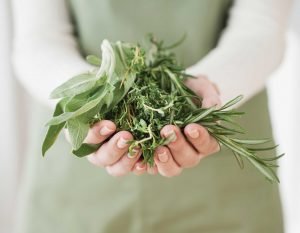
Great Burdock The root is used to treat ‘toxic overload’ that result in throat infections and skin ..