
-

1. Apples Are Nutritious A medium apple is equal to 1.5 cups of fruit. Two cups of fruit daily are recommended ..
-
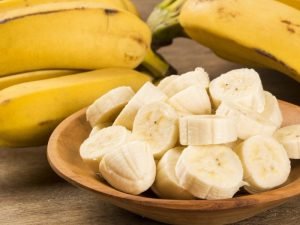
1.Bananas help overcome depression due to high levels of tryptophan, which is converted into serotonin ..
-
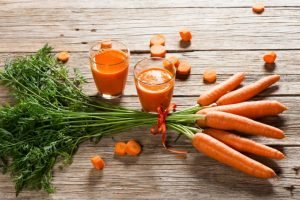
1. Beta carotene: Carrots are a rich source of this powerful antioxidant, which, among other vital uses, ..
-

Tinnitus in the ear can occur due to ear infections, various infections, perforation of the eardrum, ..
-
Comments Off on Pregnancy Calendar – Week 5 of Your Pregnancy

5-week pregnancy “Pregnancy calendar” at week 5: Your baby’s brain is developing. You may feel ..
-
Comments Off on Pregnancy Calendar – Week 4 of Your Pregnancy

4 weeks pregnancy “Pregnancy calendar” at 4th week: A miracle begins! Your baby, now consisting ..
-
How to make a healing broth with turmeric, ginger, and garlic
A warm bowl of broth can be a simple way to add fluids, vegetables, herbs, and comforting flavor to a meal. Turmeric, ginger, and garlic bring distinctive tastes and plant compounds to the pot, while ingredients such as onion, celery, mushrooms, and leafy greens can make the broth more satisfying.
This turmeric ginger garlic broth is suitable as a light drink, a soup base, or a gentle accompaniment to rice, beans, eggs, or roasted vegetables. It is best viewed as nourishing food rather than a cure for infection, inflammation, or any medical condition.
The method is flexible. You can prepare a quick version in about 30 minutes or simmer a richer vegetable stock for longer. Using black pepper and a small amount of oil may help disperse turmeric’s fat-soluble compounds, although the overall flavor and nutritional balance matter more than trying to maximize one ingredient.
Why these ingredients work well together
Turmeric contains curcumin, a naturally occurring compound that has been studied for its antioxidant and anti-inflammatory activity. Culinary turmeric provides a modest amount of curcumin, so a broth should complement a varied diet rather than replace medical treatment or prescribed medication.
Fresh ginger gives the broth warmth and gentle spice. It is traditionally used in foods and drinks for digestive comfort, and some research has examined ginger for nausea and other gastrointestinal symptoms. Fresh garlic contributes savory depth and sulfur-containing compounds, including allicin-related compounds that form when garlic is chopped or crushed.
The combination is appealing because each ingredient fills a different role. Turmeric creates earthy color, ginger adds brightness, and garlic builds a rounded savory base. Onion, carrot, celery, and herbs soften the sharper flavors and provide additional plant variety.
Build the broth from simple ingredients
For roughly four servings, gather six cups of water or low-sodium vegetable stock, one tablespoon of grated fresh ginger, three to four garlic cloves, one teaspoon of ground turmeric or one tablespoon of finely grated fresh turmeric, and a small onion. Add one chopped carrot, one celery stalk, half a teaspoon of black pepper, and one teaspoon of olive oil.
Optional additions include sliced mushrooms, parsley stems, a strip of kombu, a squeeze of lemon, chili flakes, or a handful of spinach. If you use boxed stock, choose a lower-sodium variety so the final flavor can be adjusted gradually. Homemade stock may already contain salt, so taste before adding more.
Warm the oil in a saucepan over low to medium heat. Add the onion, carrot, celery, garlic, ginger, turmeric, and black pepper, then cook for two to three minutes without browning the garlic. Pour in the water or stock, add any mushrooms or herbs, and bring the liquid to a gentle simmer.
Cover loosely and simmer for 20 to 30 minutes. Strain the broth for a clear drink, or leave the softened vegetables in place for a more substantial soup. Finish with lemon juice, chopped parsley, or a small amount of salt. If the flavor is too intense, dilute it with water or extra unsalted stock.
Balance flavor and nourishment
A healing broth is most useful when it tastes good enough to prepare regularly. Turmeric can become bitter when overused, while raw garlic may dominate the pot. Start with modest quantities and increase them in later batches. Fresh ginger can also vary greatly in strength, so tasting near the end is important.
The broth itself is light in calories and protein unless you add more substantial ingredients. To turn it into a complete meal, include shredded chicken, tofu, lentils, white beans, soba noodles, brown rice, or a poached egg. Greens such as kale, bok choy, or spinach can be stirred in during the final few minutes.
Ingredient Purpose in the broth Practical amount Turmeric Earthy flavor and golden color 1 teaspoon ground Fresh ginger Warm, bright spice 1 tablespoon grated Garlic Savory depth 3–4 cloves Onion, carrot, and celery Sweetness and aromatic base 1–2 cups chopped Black pepper Sharpness and traditional pairing with turmeric ¼–½ teaspoon Olive oil Helps carry flavor and adds richness 1 teaspoon Lemon juice Fresh finish that balances earthy notes 1–2 teaspoons Use the table as a starting point rather than a fixed formula. A broth made with extra vegetables will have more texture and fiber, while a strained version may be easier to sip when appetite is low. For a stronger stock, simmer with mushroom stems, parsley stalks, or other clean vegetable trimmings.
Adapt the recipe to different needs
For a soothing evening drink, keep the recipe mild and strain it thoroughly. A few drops of lemon can brighten the cup, but avoid a large amount if acidic foods trigger reflux. A pinch of chili may suit people who enjoy heat, though it can worsen heartburn or stomach irritation in some individuals.
For a protein-rich meal, add cooked lentils or beans near the end and simmer until heated through. Tofu absorbs the aromatic broth well, while shredded chicken can be added after cooking. If you prefer a creamy texture, blend part of the cooked vegetables into the liquid rather than adding heavy cream.
A concentrated ginger turmeric stock can also be frozen in small portions and used later for rice, sauces, or quick soups. Cool the broth promptly, refrigerate it in a covered container, and use it within three to four days. Freeze portions that will not be eaten soon, leaving room in each container for expansion.
Use herbs and spices with care
Food amounts of turmeric, ginger, and garlic are generally well tolerated by many healthy adults. Larger amounts, concentrated extracts, and supplements are different from culinary use. Turmeric or curcumin products may interact with medicines, and ginger or garlic may affect bleeding risk in some circumstances.
People who take blood-thinning medication, use diabetes medication, have gallbladder disease, or are preparing for surgery should ask a healthcare professional before consuming concentrated amounts or supplements. Anyone with a history of kidney stones should also discuss high-dose turmeric products with a clinician, since some formulations may contain substantial oxalate.
Garlic, onion, and legumes can cause gas or bloating for people with sensitive digestion or irritable bowel symptoms. Begin with a small serving and reduce the amount of garlic if necessary. Allergies are also possible, even with familiar foods; people managing food reactions may find this guide to natural allergy care useful for broader safety information.
This broth should not be used to treat pneumonia, flu, persistent fever, severe pain, or another condition that needs professional assessment. Seek medical care for difficulty breathing, swelling of the lips or throat, dehydration, blood in vomit or stool, or symptoms that are severe or getting worse.
Practical ways to make it regularly
A few preparation habits can make this recipe easier to fit into everyday eating:
- Keep peeled ginger in the freezer and grate it directly into the saucepan.
- Chop several garlic cloves at once and store them in a sealed container for short-term use.
- Add leafy greens, beans, or leftover vegetables to turn a light broth into lunch.
- Taste before salting, especially when using packaged stock or seasoning blends.
- Freeze single-serving portions so a nourishing soup is available on busy days.
Fresh ingredients are helpful, but they are not essential. Ground ginger, garlic powder, or frozen vegetables can produce a convenient version when shopping time is limited. Choose products without unnecessary added sugar or excessive sodium, particularly if the broth will be consumed often.
Good food safety matters as much as the ingredient list. Use clean utensils, avoid leaving cooked broth at room temperature for extended periods, and reheat only the portion you plan to eat. Bring refrigerated broth to a steaming temperature before serving, and discard it if it develops an unusual smell, appearance, or taste.
Make it a nourishing habit
The best time to enjoy this savory drink is whenever it supports your appetite and routine: alongside breakfast, as a light afternoon snack, or as the base of a vegetable-rich dinner. Pairing it with protein, whole grains, or legumes makes it more filling and helps prevent a bowl of broth from becoming an incomplete meal.
Prepare a batch, taste it carefully, and adjust the ginger, garlic, turmeric, lemon, and salt to suit you. Add a serving to your weekly meal routine, keep portions safely chilled or frozen, and use it as one flavorful part of a balanced diet rather than relying on it as a medical remedy.
-
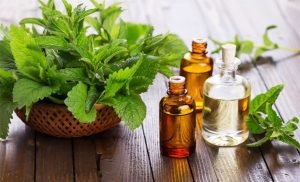
Tea Tree Essential Oil Tea tree oil is often referred to as “medicine cabinet in a bottle,” as it’s ..
-

13 surprising home remedies for acid reflux Before you reach for the heavy-duty, prescription-strength ..
-
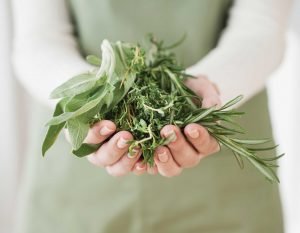
Great Burdock The root is used to treat ‘toxic overload’ that result in throat infections and skin ..