
-

1. Apples Are Nutritious A medium apple is equal to 1.5 cups of fruit. Two cups of fruit daily are recommended ..
-

1.Bananas help overcome depression due to high levels of tryptophan, which is converted into serotonin ..
-
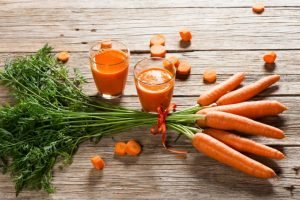
1. Beta carotene: Carrots are a rich source of this powerful antioxidant, which, among other vital uses, ..
-

Tinnitus in the ear can occur due to ear infections, various infections, perforation of the eardrum, ..
-
Comments Off on Pregnancy Calendar – Week 5 of Your Pregnancy

5-week pregnancy “Pregnancy calendar” at week 5: Your baby’s brain is developing. You may feel ..
-
Comments Off on Pregnancy Calendar – Week 4 of Your Pregnancy

4 weeks pregnancy “Pregnancy calendar” at 4th week: A miracle begins! Your baby, now consisting ..
-

Eating for better vision with lutein and zeaxanthin
Clear vision depends on many factors, including eye structure, ageing, blood circulation, blood sugar control and protection from sunlight. Food cannot replace an eye examination or treatment, yet a balanced diet can supply nutrients that help the retina handle everyday oxidative stress. Two valuable plant pigments are lutein and zeaxanthin, carotenoids found in colourful vegetables, leafy greens, eggs and some fruits.
These compounds collect in the macula, the central area of the retina responsible for detailed vision. They act as antioxidants and help filter some high-energy blue light before it reaches sensitive retinal cells. For Australians, building meals around locally available produce can make these nutrients part of an ordinary eating pattern rather than a specialised health regime.
Why lutein and zeaxanthin matter for the eyes
Lutein and zeaxanthin are often called macular pigments because they are concentrated in the macula. A higher density of these pigments is associated with better protection against light-related and oxidative damage. They may also support contrast sensitivity, which can affect how easily someone distinguishes objects in dim conditions or sees edges clearly.
Research has focused particularly on age-related macular degeneration, a condition that can affect central vision later in life. Diet is one factor among many, alongside smoking, family history, cardiovascular health and age. People with blurred central vision, distorted straight lines, flashes, sudden floaters or a dark patch in their sight should seek prompt medical assessment rather than relying on dietary changes.
Leafy greens provide a concentrated source
Dark green vegetables are among the richest dietary sources of lutein. Spinach, kale, silverbeet, rocket, broccoli and Brussels sprouts can all contribute meaningful amounts. Their deep colour comes from chlorophyll, which can mask the yellow-green pigments underneath. Fresh, frozen or lightly cooked vegetables can fit into a healthy eating pattern.
Cooking greens briefly may soften their texture and make them easier to eat in larger portions. Adding a small amount of olive oil, avocado or tahini is useful because lutein and zeaxanthin are fat-soluble compounds, meaning dietary fat can assist absorption. At a Brisbane or Melbourne farmers’ market, seasonal silverbeet and kale may be inexpensive choices; frozen spinach is practical when fresh bunches spoil before they are used.
Salads are an easy starting point, but leafy greens do not need to be eaten raw. Stir-fried Asian greens, broccoli with garlic, spinach folded into an omelette and silverbeet added to lentil soup all increase variety. Washing produce under running water and storing leafy vegetables in the refrigerator helps preserve quality and food safety.
Colourful vegetables and fruit add variety
Corn, peas, capsicum and zucchini contain carotenoids, while orange and yellow produce may provide related nutrients that support general eye health. Pumpkin, sweet potato and carrots are especially rich in beta-carotene, which the body can convert to vitamin A. Vitamin A is important for normal vision, particularly the ability to see in low light, although excessive vitamin A supplements can be harmful.
Fruit usually contains less lutein and zeaxanthin than leafy greens, but it contributes vitamin C, polyphenols, hydration and dietary fibre. Kiwi fruit, oranges, mandarins, berries and grapes can complement vegetables across the week. Australian-grown mangoes, rockmelons and avocados are common seasonal options, although their availability and price vary between Perth, Adelaide, Sydney and regional areas.
A colourful plate is more useful than focusing on a single “superfood”. Try combining spinach with capsicum, broccoli with corn, or kale with roasted pumpkin. This approach also reflects the Australian Dietary Guidelines, which encourage a wide range of vegetables and fruit rather than dependence on powders, juices or heavily marketed products.
Eggs and healthy fats support absorption
Egg yolks contain lutein and zeaxanthin in a form that may be readily absorbed. They also supply protein, choline and several other nutrients. For many people, an egg added to breakfast or lunch is a simple way to complement a vegetable-rich diet. People with specific medical conditions should follow personalised advice about cholesterol and dietary restrictions rather than avoiding eggs automatically.
Avocado, extra virgin olive oil, nuts, seeds and oily fish provide unsaturated fats that can help the body absorb fat-soluble carotenoids. A spinach and egg breakfast, a salad with avocado dressing, or steamed greens served with salmon can combine several helpful components in one meal. The benefit comes from the overall dietary pattern, not from adding large amounts of oil.
Portion awareness still matters. Deep-frying vegetables or choosing highly processed foods because they contain a small amount of a beneficial ingredient can work against heart and metabolic health. At Australian supermarkets such as Coles and Woolworths, compare labels for added salt, saturated fat and sugars when selecting packaged vegetable meals, frozen products or sauces.
Plant compounds work as part of a wider pattern
Eye-friendly foods sit within a broader approach that includes fibre, protein, minerals and adequate hydration. Legumes, whole grains, fish, nuts and seeds help support cardiovascular health, which is relevant because blood vessels supply the retina. Regular meals based on vegetables, beans, brown rice, oats or wholegrain bread can be more sustainable than short-term restrictive diets.
Avoiding smoking is particularly important for eye health. Managing blood pressure, blood glucose and cholesterol also reduces risks linked with retinal and vascular problems. Regular physical activity and protective eyewear on bright Australian days are useful additions, especially in places with intense sunlight such as Darwin, Cairns and parts of Western Australia.
Antioxidant-rich foods may also support skin and general cell health, but they should not be presented as a cure for a specific condition. For example, people interested in plant-based approaches to skin concerns can read about natural acne remedies, while recognising that persistent, painful or scarring acne may need professional care.
Supplements are not automatically better
Lutein and zeaxanthin supplements are available in pharmacies and online, but taking a capsule is not equivalent to eating a varied diet. Supplements may be considered in particular circumstances, including certain stages or forms of age-related macular degeneration, but evidence and recommended formulations depend on the individual. A general multivitamin may contain amounts that differ substantially from products studied in clinical research.
Anyone considering an eye-health supplement should discuss it with an optometrist, ophthalmologist, pharmacist or GP. This is especially important during pregnancy, when taking prescription medicines, after a diagnosis of macular disease, or when managing liver, kidney or bleeding problems. High-dose supplements can interact with medicines or create unnecessary risks.
Food-first choices are usually the safer foundation. A person who dislikes kale can use spinach, broccoli or rocket; someone with limited cooking facilities can choose frozen vegetables and canned legumes with no added salt. Supplements should fill a medically identified gap, not replace meals or create a false sense of protection from smoking, ultraviolet exposure or overdue eye checks.
Building a practical weekly routine
A useful routine begins with ingredients that are affordable, familiar and easy to prepare. Keep frozen spinach or peas available, add a dark green vegetable to one main meal most days, and choose fruit as a snack or dessert. Buying in season at a local market can reduce cost, while frozen produce provides reliable nutrition when fresh vegetables are expensive.
Australian eating habits vary widely, so there is no single ideal menu. A Mediterranean-style bowl with lentils, rocket and roasted vegetables, an Asian-inspired stir-fry with broccoli, or a simple baked potato topped with spinach and egg can all contribute to retinal nutrition. People following vegetarian, vegan, halal or allergy-aware diets can obtain carotenoids through plant foods, with professional advice useful for nutrients such as vitamin B12.
Simple habits for more eye-supportive meals
- Add a handful of spinach, rocket or silverbeet to eggs, soup, pasta or a sandwich.
- Include one orange, yellow or red vegetable with lunch or dinner.
- Pair leafy greens with avocado, olive oil, nuts, seeds or oily fish.
- Choose whole fruit more often than juice to retain fibre and reduce concentrated sugar.
- Rotate fresh and frozen produce according to season, budget and storage space.
- Arrange routine eye examinations, particularly with changing vision or a family history of macular disease.
What to expect from a balanced approach
Dietary changes support long-term health gradually. Eating one serving of spinach will not sharpen vision immediately, and no food can reverse every eye disorder. The likely value comes from repeated exposure to a broad range of vegetables, fruit, legumes, whole grains and healthy fats over months and years.
Vision changes should always be taken seriously. An optometrist can check visual acuity, eye pressure and retinal health, while an ophthalmologist can assess suspected macular, retinal or lens disease. People with diabetes may need scheduled retinal screening even when their sight seems normal, because early damage can develop without obvious symptoms.
Lutein- and zeaxanthin-rich foods are therefore best viewed as part of everyday prevention and nourishment. Dark leafy greens, colourful vegetables, eggs, avocado, nuts and fish can fit comfortably into Australian meals while supporting the nutrients the macula needs. Combined with sun protection, no smoking, physical activity and appropriate clinical care, this pattern offers a sensible way to look after vision across the years.
-
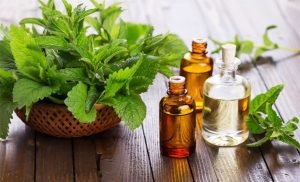
Tea Tree Essential Oil Tea tree oil is often referred to as “medicine cabinet in a bottle,” as it’s ..
-

13 surprising home remedies for acid reflux Before you reach for the heavy-duty, prescription-strength ..
-
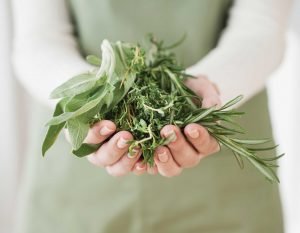
Great Burdock The root is used to treat ‘toxic overload’ that result in throat infections and skin ..