
-

1. Apples Are Nutritious A medium apple is equal to 1.5 cups of fruit. Two cups of fruit daily are recommended ..
-

1.Bananas help overcome depression due to high levels of tryptophan, which is converted into serotonin ..
-

1. Beta carotene: Carrots are a rich source of this powerful antioxidant, which, among other vital uses, ..
-

Tinnitus in the ear can occur due to ear infections, various infections, perforation of the eardrum, ..
-
Comments Off on Pregnancy Calendar – Week 5 of Your Pregnancy

5-week pregnancy “Pregnancy calendar” at week 5: Your baby’s brain is developing. You may feel ..
-
Comments Off on Pregnancy Calendar – Week 4 of Your Pregnancy

4 weeks pregnancy “Pregnancy calendar” at 4th week: A miracle begins! Your baby, now consisting ..
-

Home Remedies for Healing Minor Cuts and Scrapes Naturally
Small cuts and grazes are common during everyday life in Australia, whether you are opening a package in Melbourne, gardening in Adelaide, walking barefoot near a Sydney beach, or helping children after a fall at the park. Most uncomplicated wounds heal well with prompt cleaning, protection and observation. Simple home care can support the skin’s natural repair process without relying on harsh or unnecessary products.
Natural wound care should still be guided by basic first aid. “Natural” does not automatically mean gentle or safe, and kitchen ingredients, essential oils and herbal preparations can irritate damaged skin or introduce bacteria. The most dependable approach combines clean water, clean hands, a suitable dressing and sensible attention to warning signs.
Understanding Minor Cuts And Scrapes
A minor cut is usually shallow, stops bleeding after several minutes of steady pressure and has clean, manageable edges. A scrape, also called an abrasion, removes the surface layer of skin after contact with rough ground, concrete or another abrasive surface. Superficial wounds may sting, ooze slightly and look pink or red while healing.
The skin needs moisture and protection to rebuild its outer barrier. A wound that becomes excessively dry can crack and form a thick scab, while a wound covered with dirt or repeatedly rubbed by clothing may heal more slowly. The aim is to remove contamination, limit further injury and create a clean environment for new skin cells.
Nutrition also contributes to normal skin maintenance, although a healthy diet cannot replace wound care. Foods containing protein, vitamin C, zinc and iron are useful parts of everyday eating. For broader ideas about vegetable intake, leafy greens and immunity can be considered alongside fruit, legumes, whole grains and other nutrient-dense foods.
Clean The Wound First
Wash your hands with soap and clean running water before touching the injury. If the wound is bleeding, place sterile gauze or a clean cloth over it and apply firm, continuous pressure for five to ten minutes. Lifting the cloth repeatedly to check the cut can disturb the clot and prolong bleeding.
Once bleeding is controlled, rinse the area under clean tap water. In Australia, household tap water is generally appropriate for washing a minor wound. Gently remove visible grit with clean tweezers if it is easy to grasp, but do not dig into the skin. Mild soap can be used around the wound, though forcing soap, alcohol or strong antiseptic into raw tissue may cause irritation.
Pat the surrounding skin dry with clean gauze or a fresh towel. A thin layer of plain petroleum jelly can reduce sticking and help maintain a slightly moist healing environment. Although it is not a plant remedy, it is often less irritating than fragranced creams. Cover the area with a sterile plaster or non-stick dressing, particularly if it may contact soil, sand, sweat or dirty surfaces.
Gentle Natural Options And Their Limits
Medical-grade honey may have a role in selected wound-care products because it can help manage moisture and has antimicrobial properties. It should not be confused with honey from a kitchen jar. Household honey is not sterile, and applying it directly to an open cut can add contaminants. If honey-based care is being considered for anything more than a very superficial wound, ask a pharmacist or doctor about an approved medical product.
Pure aloe vera gel is sometimes used for soothing minor skin irritation, but evidence for applying it to open cuts is limited. Products containing alcohol, perfume, colourants or multiple botanical extracts may sting and inflame broken skin. If aloe is used around a small superficial abrasion, choose a simple product, stop if burning or redness develops, and keep it out of deep or heavily bleeding wounds.
A cool compress wrapped in clean fabric may ease mild swelling after a scrape, especially when the injury follows a knock. Do not place ice directly on broken skin. Calendula, turmeric, garlic, coconut oil and herbal poultices are often promoted online, but their effects and preparation quality vary. They can trap debris, trigger contact dermatitis or delay proper treatment.
Food is best kept on the plate rather than placed on a wound. Australian households may have access to many traditional ingredients through supermarkets, markets and specialty grocers, and resources such as Ghana food ideas can broaden interest in nutritious meals. That does not make a food ingredient suitable as a sterile dressing or antiseptic.
Protect The Area While It Heals
Cover a small wound with a dressing that fits beyond the edges without restricting circulation. Change it daily, or sooner if it becomes wet, dirty or loose. In hot weather, sweat can soften the surrounding skin and make adhesive dressings peel, so check the area after outdoor activity, swimming or exercise.
Avoid picking at scabs, rubbing the wound or repeatedly applying products. Loose clothing can protect a graze on the knee or elbow, while a breathable dressing may be more comfortable for a finger or hand. Keep the injury away from soil, animal saliva and shared water until the surface has closed.
Sun protection matters after the wound has healed over. New skin can darken or remain discoloured after ultraviolet exposure, which is relevant for people spending time outdoors in Brisbane, Perth or regional areas with strong summer sun. Once the skin is intact, cover the area with clothing or apply broad-spectrum sunscreen to the surrounding and newly healed skin as directed on the product label.
Tetanus protection should also be considered. Australian immunisation schedules provide routine tetanus-containing vaccines, but protection can vary with age, medical history and the type of injury. A pharmacist, general practitioner or healthdirect can help determine whether a booster is needed, particularly after a dirty, deep or puncture wound.
Ingredients And Practices To Avoid
Do not pour hydrogen peroxide, methylated spirits, bleach or undiluted antiseptic into a cut. These substances can damage healthy cells as well as germs and may slow the formation of new tissue. Strong essential oils, including tea tree, eucalyptus, oregano and lavender oils, can cause burning or allergic reactions when applied neat.
Avoid sealing a dirty wound with thick oil, wax or an improvised paste. Do not use saliva, soil, ash, coffee, flour or powdered herbs. These household practices are not reliable ways to prevent infection. If a product is labelled for intact skin only, do not assume it is appropriate for an open injury.
Do not pull out an object that is deeply embedded, and do not try to close a gaping wound with household glue. Wounds caused by animal or human bites require medical assessment because infection risk can be significant even when the opening looks small. A puncture from a nail, thorn or sharp object may also extend deeper than it appears.
People with diabetes, poor circulation, reduced immunity or a history of slow wound healing should seek professional advice earlier. A small foot wound can become serious when sensation is reduced or blood flow is impaired. Older adults may also need a lower threshold for medical review.
Signs That Need Medical Attention
Seek urgent care if bleeding is heavy, spurting, or does not stop after ten minutes of firm pressure. Immediate assessment is also appropriate when a cut is deep, gaping, numb, located over a joint, or caused by glass, metal or another contaminated object. Injuries to the eye, face, palm or genitals can require specialised care.
Infection may appear as increasing redness, warmth, swelling, tenderness, pus or red streaks extending away from the wound. Fever, chills, worsening pain or feeling generally unwell are additional warning signs. A scrape that becomes more painful after initial improvement should be checked rather than repeatedly treated with home products.
Australian healthdirect provides telephone and online health information, and local pharmacists can offer practical advice about dressings, antiseptics and tetanus vaccination. In an emergency, call Triple Zero (000). State and territory health services may have different pathways, while workplace injuries should be reported according to the employer’s workplace health and safety procedure.
A wound that has not clearly started healing within several days deserves attention, especially if it remains open or dirty. Australian legislation regulates many therapeutic goods through the Therapeutic Goods Administration, but a product being legally sold does not mean it is suitable for every wound or person. Read labels carefully and ask a health professional when the instructions are unclear.
A Practical Home First Aid Routine
A small first-aid supply is useful in Australian homes, cars and camping kits. Keep sterile gauze, clean plasters in several sizes, non-stick dressings, paper or medical tape, disposable gloves, tweezers and saline or access to clean water. Check expiry dates and replace supplies after use. A waterproof kit is particularly helpful for bushwalking, beach trips and children’s outdoor activities.
Use this simple routine for an uncomplicated cut or scrape:
- Wash your hands before and after treating the wound.
- Apply steady pressure until bleeding has stopped.
- Rinse away dirt with clean running water and gently clean the surrounding skin.
- Apply a thin layer of plain petroleum jelly if suitable, then cover with a clean dressing.
- Replace the dressing when wet or dirty and check daily for infection or worsening pain.
- Arrange medical advice for deep, contaminated, bitten or slow-healing injuries.
Good wound care is usually quiet and consistent rather than complicated. Clean water, protection from friction, a nutritious everyday diet and careful observation provide a safer foundation than untested mixtures. Natural products may have a limited supporting role, but no home remedy should delay professional care when the injury is deep, contaminated or showing signs of infection.
-
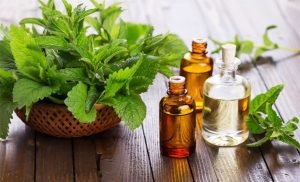
Tea Tree Essential Oil Tea tree oil is often referred to as “medicine cabinet in a bottle,” as it’s ..
-

13 surprising home remedies for acid reflux Before you reach for the heavy-duty, prescription-strength ..
-
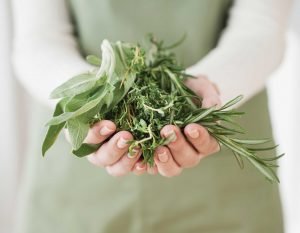
Great Burdock The root is used to treat ‘toxic overload’ that result in throat infections and skin ..