
-

1. Apples Are Nutritious A medium apple is equal to 1.5 cups of fruit. Two cups of fruit daily are recommended ..
-
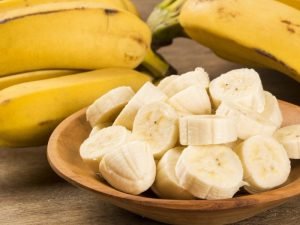
1.Bananas help overcome depression due to high levels of tryptophan, which is converted into serotonin ..
-
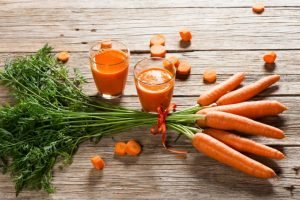
1. Beta carotene: Carrots are a rich source of this powerful antioxidant, which, among other vital uses, ..
-

Tinnitus in the ear can occur due to ear infections, various infections, perforation of the eardrum, ..
-
Comments Off on Pregnancy Calendar – Week 5 of Your Pregnancy

5-week pregnancy “Pregnancy calendar” at week 5: Your baby’s brain is developing. You may feel ..
-
Comments Off on Pregnancy Calendar – Week 4 of Your Pregnancy

4 weeks pregnancy “Pregnancy calendar” at 4th week: A miracle begins! Your baby, now consisting ..
-

How to spot and avoid hidden sugars in packaged foods
Sugar is easy to recognise when it appears as table sugar, syrup or a sweet drink. Packaged food can be less straightforward. A savoury cracker, breakfast cereal, flavoured yoghurt or pasta sauce may contain several sweetening ingredients, each listed under a different name. Together, they can add a substantial amount of sugar to an otherwise ordinary day.
Learning to read food labels makes grocery shopping more manageable. In Australia, the Nutrition Information Panel, ingredient list and Health Star Rating provide useful clues, although each has limitations. With a little practice, you can compare products on supermarket shelves in Sydney, Melbourne, Brisbane or elsewhere without needing to avoid every packaged food.
Why sugar is added to packaged foods
Manufacturers use sugar for sweetness, colour, texture and preservation. In bread, a small amount can help yeast ferment and improve browning. In sauces and marinades, sugar balances acidity from tomatoes or vinegar. In cereals and snack bars, it makes the product more appealing and can help bind ingredients together.
The main concern is the total pattern of intake. A single teaspoon of sugar in a condiment is unlikely to be important by itself, but several small amounts can accumulate through the day. Sweetened coffee, cereal, yoghurt, a muesli bar and a bottled drink may turn into a high-sugar diet even when no food seems like dessert.
The World Health Organization recommends limiting free sugars, which include sugars added to foods and drinks as well as those naturally present in honey, syrups and fruit juice. Sugar naturally contained within whole fruit and plain milk is treated differently because these foods also provide fibre, protein or other nutrients.
Packaged food is not automatically unhealthy. Tinned beans, frozen vegetables, wholegrain bread and plain yoghurt can be practical choices. The goal is to identify products where sweetness is easy to overlook and choose them less often or in smaller portions.
Learn the many names for sugar
Sugar may appear near the beginning or end of an ingredient list under several names. Common examples include sucrose, glucose, dextrose, maltose, fructose, lactose, rice syrup, malt syrup, golden syrup, corn syrup, honey, treacle and concentrated fruit juice. Coconut sugar, agave nectar and raw sugar are still forms of sugar, even when they sound more natural.
Words ending in “-ose” often indicate a sugar. Syrups, nectars and juice concentrates can perform the same nutritional role as ordinary sugar. A product containing honey or dates may have a different flavour, yet it can still contribute free sugars when used as a concentrated ingredient.
Some labels divide sugar across several ingredients so that no single sweetener appears first. For example, a cereal might contain cane sugar, malt extract and dried fruit paste. Each ingredient may be present in a modest amount, while the combined result is quite sweet.
Ingredient lists are arranged by weight from highest to lowest when the food is manufactured. This means a sugar source near the top deserves attention. However, a sweetener near the end is not necessarily irrelevant, particularly if the serving size is small on paper but the amount commonly eaten is much larger.
Use the Australian nutrition panel properly
The Nutrition Information Panel lists “sugars” under total carbohydrate. This figure includes naturally occurring sugars, such as lactose in milk, as well as added sugars. Because Australian labels generally do not separate added sugar from naturally occurring sugar, the ingredient list must be read alongside the panel.
Compare products using the “per 100 g” column rather than relying only on the serving column. Serving sizes are set by manufacturers and may be smaller than what people usually eat. A packaged muffin labelled as two servings can easily be eaten in one sitting, especially when shared at a workplace in Perth or taken as a school snack.
For a rough guide, foods with 5 g or less of sugar per 100 g are often lower-sugar choices, while foods with more than 15 g per 100 g are higher in sugar. This is a broad comparison tool rather than a strict medical rule. Plain yoghurt may contain natural lactose, while a sauce or drink with the same number may contain mostly added sugar.
Check the kilojoule, carbohydrate and serving information as well. A product can have a modest sugar figure but still be energy-dense because of fat or starch. The voluntary Health Star Rating can help compare similar products, but it should not replace the ingredient list. A cereal with a favourable rating may still be sweeter than a plain alternative.
Foods where hidden sugar is common
Breakfast cereals are a frequent source of unexpected sweetness. Flavoured flakes, clusters, toasted mueslis and children’s cereals may contain sugar, honey, syrups or dried fruit. Serving sizes are often much smaller than a full bowl, so pouring freely can result in considerably more sugar than the label suggests.
Flavoured yoghurt, custard and dairy desserts can vary widely. Plain Greek yoghurt has no added sugar, though it contains natural lactose. Fruit-flavoured varieties may contain sugar, fruit preparations or concentrate. Mixing plain yoghurt with fresh berries gives you more control over sweetness and may provide more fibre.
Savoury foods can be just as deceptive. Tomato-based pasta sauce, barbecue sauce, sweet chilli sauce, baked beans, salad dressings, crackers and ready-made soups may contain sweeteners. A sandwich assembled with sweetened bread, chutney and a processed filling can contain several sources without tasting like a dessert.
Drinks deserve particular attention because liquid sugar is consumed quickly and usually provides little satiety. Soft drinks, energy drinks, iced teas, flavoured milks, sports drinks and café-style iced coffees can add a large amount of sugar. In Australian summer, a chilled drink can become a daily habit during a commute or beach trip, so water, sparkling water or unsweetened tea are useful alternatives.
A practical supermarket checklist
Label reading becomes easier when you follow the same order each time. Begin with the front of the pack, but treat phrases such as “natural”, “wholesome” or “made with real fruit” as marketing rather than proof of low sugar. Then turn the package around and check the ingredients and Nutrition Information Panel.
Use the following checklist when comparing similar products:
- Look for sugar, syrups, honey or concentrates among the first ingredients.
- Compare the sugars per 100 g, not only the stated serving size.
- Check whether several sweeteners appear under different names.
- Compare plain and flavoured versions of yoghurt, oats and milk.
- Treat “no added sugar” as different from “sugar-free”.
- Notice whether a drink contains sugar, juice concentrate or sweetened milk.
A “no added sugar” claim means the manufacturer has not added certain sweetening ingredients, but the food may still contain natural sugars from fruit, milk or concentrated ingredients. It may also be high in kilojoules or rely on intense sweeteners for taste. “Sugar-free” has a more specific regulatory meaning and does not necessarily mean the product is nutritious.
Australian food claims must comply with the Food Standards Code administered by Food Standards Australia New Zealand. Even so, claims are designed to highlight a particular feature, not provide a complete health assessment. Reading the back of the pack remains important.
Better ways to reduce sweetness
Reducing sugar works best when it changes the overall food environment rather than depending on willpower. Keep sweetened drinks, biscuits and confectionery as occasional foods, while making lower-sugar staples easy to see and prepare. This approach is practical for busy households and shift workers in cities such as Adelaide or Canberra.
Small substitutions can lower sugar without making meals bland:
- Choose plain oats with cinnamon, nuts and sliced banana instead of sweetened sachets.
- Buy plain yoghurt and add fresh fruit, rather than choosing fruit-on-the-bottom varieties.
- Use a tomato passata with no added sugar in place of a sweet pasta sauce.
- Swap barbecue or sweet chilli sauce for herbs, mustard, lemon juice or plain yoghurt.
- Select unsweetened peanut butter and check that the ingredients are mainly peanuts.
- Replace soft drinks and sweetened iced tea with chilled water or soda water.
Fresh fruit can satisfy a desire for sweetness while supplying fibre and water. Citrus, berries, kiwi fruit and tropical fruits all work well in snacks, breakfasts and salads. For ideas beyond oranges, vitamin C-rich fruits can add variety to a meal plan without relying on confectionery or sweetened drinks.
Dried fruit needs more care because its sugar is concentrated and it is easy to eat large amounts. It can be useful in small portions with nuts or added to porridge, but it is less filling than whole fruit. Fruit juice also loses much of the fibre found in whole fruit and can deliver sugar quickly.
Plan portions and manage sweet cravings
A product’s sugar content matters alongside how much is eaten. A small amount of a sweet food may fit comfortably into a balanced diet, while a large bowl of a moderately sweet cereal can contribute more sugar than expected. Use bowls, cups or containers that make portions visible rather than eating directly from a packet.
Regular meals containing protein, fibre and healthy fats can reduce intense cravings. Eggs, beans, lentils, vegetables, wholegrain bread, nuts and plain yoghurt are examples of foods that help maintain fullness. Sleep, stress and habit also influence the desire for sweet foods, so cravings are not simply a matter of personal discipline.
Try these practical habits during a normal week:
- Eat a protein-rich breakfast before reaching for sweet snacks.
- Portion biscuits, chocolate or ice cream into a bowl instead of eating from the packet.
- Keep water available at work, in the car and during outdoor activities.
- Wait a few minutes and choose fruit when a craving may reflect thirst or routine.
- Check the label again when a familiar product changes its packaging or recipe.
Children may be particularly influenced by bright packaging and cartoon characters. Lower-sugar options can be made more appealing by serving fruit in pieces, offering water regularly and keeping highly sweetened snacks for occasional situations. Schools, sporting clubs and family gatherings often involve packaged treats, so balance across the week is more realistic than trying to eliminate every sweet food.
Sugar-free products are not always the best replacement. Some contain sugar alcohols that can cause bloating or diarrhoea in large amounts, while others maintain a very sweet taste that makes less-sweet foods seem unsatisfying. The broader quality of the food, including fibre, protein, sodium and saturated fat, should remain part of the decision.
When to seek personalised dietary advice
Most people can reduce hidden sugars through label comparison and simple food swaps. Personal advice is valuable when a person has diabetes, prediabetes, polycystic ovary syndrome, fatty liver disease or another condition affected by carbohydrate intake. A dietitian can help interpret labels, plan portions and protect nutritional adequacy.
Pregnancy, childhood and older age may also require a more individual approach. During pregnancy, cutting back on sugary drinks can support general nutrition, but restrictive diets should be avoided unless advised by a qualified professional. Children need enough energy for growth, and older adults may need nutrient-dense foods even when appetite is low.
To make a label-based routine sustainable, choose two or three products you buy regularly and compare alternatives. Check the sugar per 100 g, scan the ingredient list and consider the usual portion. After repeating this process, familiar categories such as cereal, yoghurt, sauces and drinks become much easier to assess.
The most useful aim is a diet where sweetness is occasional and visible rather than hidden across many everyday products. Whole foods such as vegetables, legumes, eggs, fish, nuts, plain dairy and fresh fruit can form the foundation, with packaged foods selected according to their ingredients, nutrition panel and place in the wider eating pattern.
-

Tea Tree Essential Oil Tea tree oil is often referred to as “medicine cabinet in a bottle,” as it’s ..
-

13 surprising home remedies for acid reflux Before you reach for the heavy-duty, prescription-strength ..
-

Great Burdock The root is used to treat ‘toxic overload’ that result in throat infections and skin ..