
-

1. Apples Are Nutritious A medium apple is equal to 1.5 cups of fruit. Two cups of fruit daily are recommended ..
-
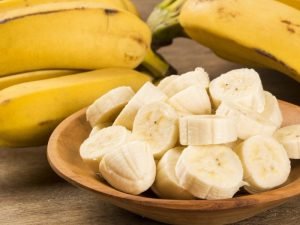
1.Bananas help overcome depression due to high levels of tryptophan, which is converted into serotonin ..
-
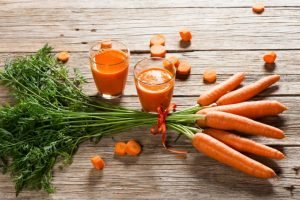
1. Beta carotene: Carrots are a rich source of this powerful antioxidant, which, among other vital uses, ..
-

Tinnitus in the ear can occur due to ear infections, various infections, perforation of the eardrum, ..
-
Comments Off on Pregnancy Calendar – Week 5 of Your Pregnancy

5-week pregnancy “Pregnancy calendar” at week 5: Your baby’s brain is developing. You may feel ..
-
Comments Off on Pregnancy Calendar – Week 4 of Your Pregnancy

4 weeks pregnancy “Pregnancy calendar” at 4th week: A miracle begins! Your baby, now consisting ..
-

How to Make a Natural Anti-Inflammatory Smoothie
A fruit and vegetable smoothie can be an easy way to add colorful produce, fiber, healthy fats, and plant compounds to your day. Ingredients such as berries, leafy greens, ginger, turmeric, and citrus are often included in balanced eating patterns associated with a healthy inflammatory response.
Inflammation is a normal part of the immune system’s work. It helps the body respond to injury and infection, but ongoing inflammation may be affected by factors such as poor sleep, smoking, stress, inactivity, and a diet high in ultra-processed foods. A smoothie cannot diagnose or treat an inflammatory condition, yet it can support an overall nutrition routine.
The best anti-inflammatory smoothie is not necessarily the most complicated one. A simple blend with unsweetened liquid, produce, a protein source, and a small amount of healthy fat is usually more satisfying than a drink made primarily from fruit juice. The recipe can also be adjusted for allergies, digestive needs, pregnancy, or personal taste.
What Makes A Smoothie Anti-Inflammatory
Many plant foods contain polyphenols, carotenoids, vitamin C, and other compounds that help protect cells from oxidative stress. Berries provide anthocyanins, leafy greens contribute folate and carotenoids, and citrus fruits add vitamin C. These nutrients work as part of the wider diet rather than as isolated cures.
Ginger and turmeric are popular additions because they contain naturally occurring compounds studied for their potential effects on inflammatory pathways. Fresh ginger offers a bright, spicy flavor, while turmeric gives the smoothie a golden color. A small pinch of black pepper is often paired with turmeric, although it is optional and may not suit people with reflux or sensitive digestion.
The base also matters. Plain yogurt or kefir can provide protein and beneficial cultures, while chia seeds, ground flaxseed, avocado, or nut butter add fiber and unsaturated fats. These ingredients slow digestion and may help prevent a rapid rise and fall in energy after drinking the smoothie.
Choosing Ingredients That Work Together
Frozen berries are particularly useful because they create a thick texture without requiring ice. Blueberries, strawberries, blackberries, and raspberries can be used alone or combined. Choose unsweetened frozen fruit when possible, especially if the smoothie already contains banana, dates, or another naturally sweet ingredient.
Leafy greens such as spinach or kale can be blended with fruit, although kale may need extra liquid for a smooth result. Avocado adds creaminess and mild flavor, while cucumber increases freshness and water content. A squeeze of lemon or lime can brighten the flavor and help balance earthy ingredients such as turmeric and greens.
For the liquid, use water, unsweetened almond milk, soy milk, oat milk, or coconut water. Soy milk generally provides more protein than many other plant milks, but checking the label helps identify products with little or no added sugar. Avoid relying on fruit juice as the main liquid because it can make the drink sweeter without adding much fiber.
A practical formula is two parts produce, one part liquid, one protein-rich ingredient, and one small source of healthy fat. Start with less liquid than you think you need, blend, and add more gradually. This produces a thicker smoothie and prevents the flavor from becoming diluted.
A Balanced Golden Berry Blend
This recipe combines berries, greens, ginger, turmeric, and yogurt for a creamy drink with a tart, warming flavor. It makes approximately one large serving or two smaller servings.
Ingredients
- 1 cup frozen mixed berries
- 1 packed cup baby spinach
- ½ small banana
- ¾ cup plain yogurt or unsweetened soy yogurt
- ½ cup unsweetened almond or soy milk
- 1 teaspoon freshly grated ginger
- ½ teaspoon ground turmeric
- 1 tablespoon ground flaxseed or chia seeds
- 1 teaspoon lemon juice
- A small pinch of black pepper, if tolerated
Place the liquid and yogurt in the blender first, followed by the spinach, berries, banana, ginger, turmeric, seeds, and lemon juice. Blend until smooth, pausing to scrape down the sides if needed. Add a splash of milk for a thinner consistency, or a few frozen berries for a thicker one.
The banana provides sweetness and helps mask the sharpness of ginger and turmeric. If you prefer a less sweet smoothie, use a few slices of pear instead or leave the banana out. A teaspoon of almond butter can replace the seeds, although it will change the flavor and add more calories.
Turmeric can stain plastic blender parts, counters, and clothing, so rinse equipment soon after use. People who take blood-thinning medication, have gallbladder problems, or are preparing for surgery should ask a healthcare professional before using concentrated turmeric products. The small culinary amount in food is different from a high-dose supplement, but individual advice still matters.
Ingredient Main contribution Easy alternatives Frozen berries Fiber, color, and polyphenols Cherries, pomegranate arils, or frozen grapes Spinach Folate, vitamin K, and carotenoids Kale, romaine, or cucumber Ginger Warm flavor and plant compounds Cinnamon or fresh mint Turmeric Earthy flavor and curcumin Extra ginger or a pinch of cinnamon Yogurt or soy yogurt Protein and creamy texture Silken tofu or kefir Flaxseed or chia Fiber and unsaturated fats Avocado or nut butter Lemon juice Brightness and acidity Lime juice or orange zest Adjusting The Recipe For Your Needs
A smoothie can be nutritious without being suitable for every digestive system. People with irritable bowel symptoms may need to limit certain fruits, dairy products, or large amounts of seeds. Begin with a small serving and change one ingredient at a time so it is easier to identify what causes discomfort.
Those managing blood sugar may prefer berries, plain yogurt, spinach, and seeds while reducing banana, dates, honey, and juice. Pairing carbohydrates with protein, fiber, and fat makes the drink more filling. Drinking a smoothie slowly and having it alongside a meal may also be preferable to consuming a large sweet drink on its own.
For a dairy-free version, use unsweetened soy yogurt, silken tofu, or a fortified plant-based yogurt. Nut-free smoothies can include sunflower seed butter, chia seeds, or avocado. If gluten is a concern, choose certified gluten-free oats and verify packaged ingredients.
Pregnant or breastfeeding people should be cautious with concentrated herbal powders and supplements. Ordinary food ingredients are generally used differently from medicinal doses, but ginger, turmeric, and other herbs may interact with medications or health conditions. A prenatal care professional can provide advice that matches a person’s medical history.
Timing, Storage, And Daily Use
There is no special hour when an anti-inflammatory drink becomes effective. Some people enjoy a smoothie at breakfast, while others use one as an afternoon snack. Including it after exercise can work well when the recipe contains enough protein and carbohydrates to support recovery.
Smoothies are best consumed soon after blending because flavor, texture, and some nutrients can change during storage. If necessary, keep one in a sealed container in the refrigerator and drink it within 24 hours. Shake or stir before drinking, since seeds and thicker ingredients may settle.
Avoid treating the smoothie as a replacement for every solid meal. Chewing whole foods can contribute to satisfaction, and a varied diet supplies nutrients that one drink cannot provide. Rotate ingredients across the week rather than consuming large amounts of the same herb or supplement daily.
Stress and sleep also influence how the body feels and functions. Nutrition works alongside movement, rest, hydration, and support for mental well-being. For a relaxing caffeine-free option later in the day, explore these herbal teas for stress, while remembering that herbal products can interact with medicines.
Common Mistakes To Avoid
A smoothie can become closer to a dessert when it contains juice, sweetened yogurt, dates, honey, and several servings of high-sugar fruit at once. Natural sugar is still sugar, so portion size and the rest of the meal matter. Use one sweet fruit, such as banana or mango, and let berries provide much of the flavor.
Another common mistake is leaving out protein. A fruit-and-water blend may be refreshing but can become less satisfying. Yogurt, tofu, soy milk, kefir, or a modest amount of nut butter can give the drink greater staying power.
Large quantities of ginger, turmeric, cayenne, or herbal powders may irritate the stomach and do not automatically make a recipe more effective. Culinary amounts are usually enough for flavor. Supplements should be considered separately and discussed with a qualified professional when medications, pregnancy, liver disease, bleeding disorders, or surgery are relevant.
Blending also does not erase the importance of food safety. Wash fresh produce, store dairy and plant-based products correctly, and clean the blender thoroughly. If using frozen fruit, choose reputable products and follow storage instructions on the package.
Simple Ways To Keep The Habit
A consistent pattern is easier when the recipe requires little preparation. Wash greens when you bring them home, portion berries into freezer bags, and keep ginger, yogurt, and seeds visible in the refrigerator or pantry. Preparing individual ingredient packs can make weekday blending faster.
Use the following practices to keep the drink balanced and enjoyable:
- Include at least one vegetable or leafy green along with fruit.
- Add protein from yogurt, kefir, tofu, soy milk, or another suitable ingredient.
- Choose unsweetened liquids and keep added sweeteners occasional.
- Start with small amounts of ginger, turmeric, or seeds if you are not used to them.
- Change the ingredients regularly to increase dietary variety.
Pay attention to how the smoothie affects hunger, digestion, and energy. If it leaves you hungry quickly, increase the protein or add more fiber. If it causes bloating, reduce the portion, blend fewer ingredients, or remove likely triggers one at a time.
A natural anti-inflammatory smoothie is most useful when it supports a broader pattern of colorful foods, regular activity, restorative sleep, and appropriate medical care. It should complement professional treatment rather than replace it, especially when symptoms such as persistent pain, swelling, fever, unexplained weight loss, or prolonged fatigue are present.
Blend a balanced serving with ingredients you enjoy, make one practical adjustment at a time, and include it as part of a varied eating routine that supports your long-term health.
-
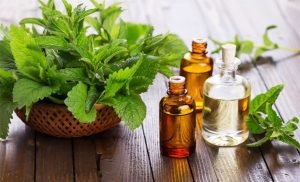
Tea Tree Essential Oil Tea tree oil is often referred to as “medicine cabinet in a bottle,” as it’s ..
-

13 surprising home remedies for acid reflux Before you reach for the heavy-duty, prescription-strength ..
-
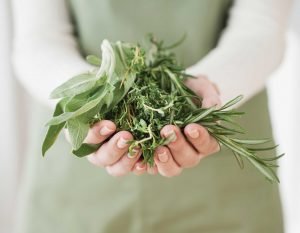
Great Burdock The root is used to treat ‘toxic overload’ that result in throat infections and skin ..